What Are the Top 10 Solar Module Manufacturers in China?
China has become a major center for solar manufacturing, but choosing a supplier involves more than comparing factory size or advertised efficiency. This guide introduces ten leading Chinese solar module manufacturers and explains what buyers should examine when comparing them. A module may look impressive on a specification sheet. Its real value also depends on consistent production, dependable warranties, and practical support after delivery.
The comparison considers factors such as manufacturing capacity, product range, conversion efficiency, durability testing, certifications, and global service networks. It also distinguishes verified information from company claims, since published figures can change and are not always directly comparable. For a fair assessment, buyers should review current technical datasheets, warranty terms, and independent test results. Ask about temperature performance, mechanical load ratings, and degradation over time. These details matter on a rooftop in a hot climate or a large project exposed to heavy wind.
There is no perfect ranking. Company strengths differ, and a well-known brand may not suit every project, budget, or region. Not always. Supply conditions and product availability can also shift between seasons. The goal is not to declare one universal winner, but to help readers understand the market and shortlist manufacturers with evidence in hand. Use this overview as a starting point, then confirm specifications and service commitments directly with each supplier. That extra check can prevent costly surprises later.
Understanding China’s Solar Module Manufacturing Industry
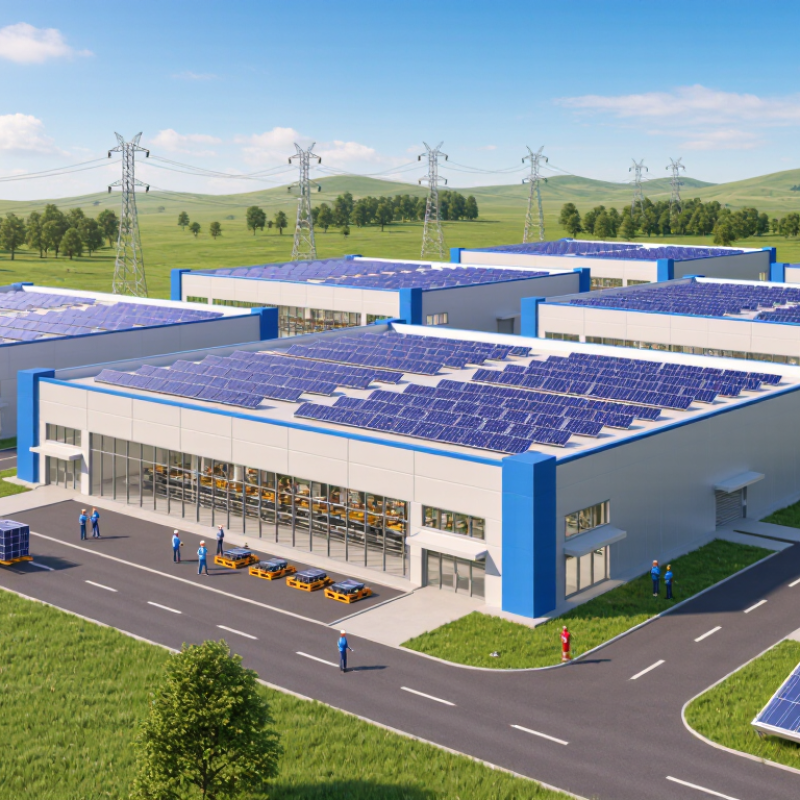
China’s solar module manufacturing industry is built around connected supply chains, large production sites, and ongoing process improvements. Cells, glass, frames, encapsulants, and testing services may be available within the same industrial region. This proximity can shorten lead times and simplify coordination. But scale alone is not quality. Yield, traceability, and consistent output matter. Small defects matter.
Manufacturers compete through automation, product design, and control of production costs. Automated inspection can help identify cell cracks, uneven soldering, or marks on a module’s surface. Yet factory equipment is only part of the picture. Buyers should examine test reports, warranty terms, factory quality procedures, and shipment records. A polished datasheet does not reveal every production weakness.
The industry also faces changing demand and pressure to adapt equipment as module formats evolve. That can bring efficiency, but rapid expansion may leave older production lines behind. Ask how a manufacturer controls changes between batches and handles field feedback. Look closely at packaging, too: damp cartons or damaged corners can turn a sound module into a costly installation problem. Rankings can be useful, but they depend on criteria and should not replace direct verification.
Criteria for Identifying Leading Solar Module Manufacturers
A credible shortlist should weigh more than factory size or annual shipment claims. The International Energy Agency’s 2022 Special Report on Solar PV Global Supply Chains found that China held over 80% of global manufacturing capacity across key solar-panel supply stages. That concentration makes capacity easy to find, but it does not prove consistent module quality. Compare independently verified production figures with delivery history, factory utilization, and the ability to supply replacement modules years later. Scale matters. So does consistency.
Technical evidence deserves equal weight. Review third-party test results for power degradation, damp-heat exposure, and mechanical loading, then check warranty terms and the financial strength behind them. BloombergNEF’s Tier 1 classification can indicate whether manufacturers have secured financing for projects, but it is not a product-quality certificate. A top-ten ranking should also disclose its date, data source, and treatment of private companies. No single score settles it. I would still treat rankings cautiously: public shipment numbers can be incomplete, and a strong test result cannot guarantee every production batch performs identically.
Profiles of China’s Top 10 Solar Module Manufacturers
China’s leading solar module manufacturers are not identical in scale, product design, or target market. A useful profile looks beyond factory size and examines production capacity, technology choices, and quality controls. Some large producers focus on high-volume utility projects, where consistent output and dependable delivery matter. Others develop high-efficiency modules for rooftops, where limited space makes each panel’s power rating more important.
The top ten can also be understood through their specializations. Some emphasize n-type cells and bifacial modules, which can capture light from both sides under suitable conditions. Others offer integrated manufacturing, producing cells and modules within one supply chain. Export-oriented manufacturers may build around varied climate needs, packaging, and service. Smaller or newer producers can stand out through flexible product lines, though their long-term performance records may be thinner. That matters.
A sound comparison should check independent test results, warranty terms, factory audits, and local service capacity. It should also distinguish a published efficiency figure from verified energy yield in real installations. A module that performs well in a laboratory may face heat, dust, or shading on site. No single profile tells the whole story. Buyers should match a manufacturer’s strengths to project conditions and weigh evidence, not promotional claims alone.
Comparing Their Technologies, Production Capacity, and Market Reach
Comparing China’s ten leading solar module manufacturers means looking beyond factory size. The key differences are cell architecture, conversion efficiency, annual output, and the ability to deliver reliably across regions. PERC remains widely deployed, while TOPCon and heterojunction designs target higher output from the same roof or land area. Bifacial modules can also capture reflected light, though performance depends on mounting height and ground conditions. Small details matter.
The International Energy Agency’s 2022 report, Special Report on Solar PV Global Supply Chains, found that China held about 97% of global wafer manufacturing capacity and 85% of cell capacity in 2021. This concentration supports scale, but it also makes supply resilience worth comparing. The IEA PVPS report Trends in Photovoltaic Applications 2024 recorded 456 GW of new global solar installations in 2023, including 235.5 GW in China. That demand rewards manufacturers with export logistics, regional service, and product certifications—not just high nameplate capacity. Capacity figures can mislead: announced factories may not operate at full output, and efficiency claims do not guarantee stronger field performance. Buyers should compare independently tested module data, warranty terms, and delivery records alongside shipment reach.
Key Trends Shaping China’s Solar Module Industry
China’s solar module industry is changing quickly, driven by efficiency gains, scale, and tighter project economics. Manufacturers are adopting n-type cell designs, including TOPCon and heterojunction. Bifacial modules can capture reflected light from pale roofs or gravel sites. Larger wafer formats may increase output per panel, but they also require compatible handling equipment and careful transport planning. A higher nameplate rating does not automatically mean better lifetime yield.
As installations expand, buyers are looking more closely at degradation, temperature performance, and quality checks—not just factory capacity. Automation and digital inspection can reduce defects, but results depend on calibration and process discipline. Supply costs still fluctuate, and policy changes may affect delivery schedules. One gap remains: datasheets rarely show how modules perform after years of dust, heat, and uneven maintenance. Field data matters.
Tips: Compare temperature coefficients, warranty terms, and independent test results. Ask for batch traceability and flash-test records. Check module dimensions against racking and site access before ordering. Small details count.