Why Choose a Solar Module for Your Business?
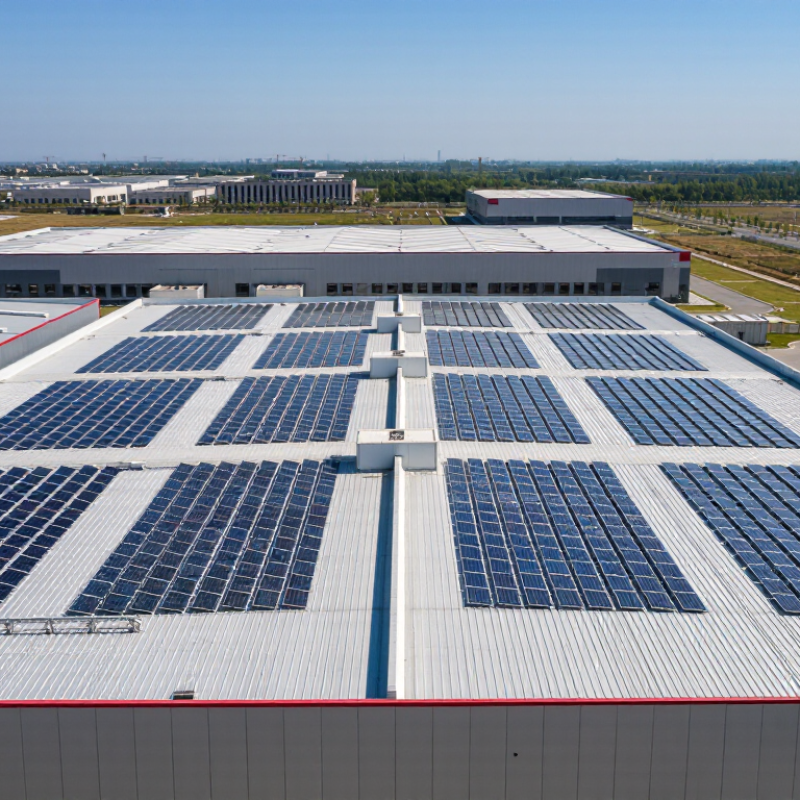
For many businesses, electricity is a major operating cost and a daily necessity. A solar module converts sunlight into direct-current electricity, which an inverter can make usable for many building systems. On a warehouse roof, rows of modules may help power lighting, computers, refrigeration, or equipment during sunny hours. The exact contribution depends on the system design and the building’s energy use. The benefit is practical. It may lower grid consumption and provide more control over energy costs, but savings are never automatic. Shade, roof condition, local weather, and electricity rates all matter. A panel is not a complete system.
Choosing a solar module is one part of a broader business decision. A careful assessment should compare expected production with the company’s hourly demand, available roof or ground space, installation costs, and maintenance needs. Ask for clear assumptions behind any savings estimate, including how shading and seasonal changes were considered. Check product specifications, performance warranties, and the installer’s experience with similar commercial sites. These details help make proposals easier to compare. They do not remove uncertainty. Even a well-designed system can produce less than expected if site conditions were overlooked. That possibility deserves honest attention. For a business, the strongest case for solar comes from measured energy data, realistic financial projections, and a system suited to the property—not from promises of effortless savings.
What a Solar Module Is and How It Generates Electricity
A solar module is a weather-sealed assembly of photovoltaic cells, glass, wiring, and a supporting frame. Its cells usually contain silicon semiconductors. When sunlight reaches them, photons transfer energy to electrons, creating an electrical current. The module produces direct-current electricity, which an inverter converts into alternating current for many business systems. No moving parts are required. Still, output is not constant: clouds, shade, dust, and hot cell temperatures can reduce production. A narrow shadow from a rooftop vent may affect more than the shaded area, depending on the system’s wiring.
The scale is already substantial. IEA PVPS’s Snapshot of Global PV Markets 2024 estimates that at least 407 gigawatts of photovoltaic capacity were added worldwide in 2023, bringing total capacity to about 1.6 terawatts. These figures describe systems, not modules alone, but they show how widely this conversion technology is being deployed. For a business, a module’s rating is only a starting point. Roof direction, usable area, local weather, and daytime electricity demand shape actual generation. A site assessment should examine these details, not just the sunny photograph. That part is easy to underestimate. Real roofs are messy. A careful estimate should account for shade and seasonal changes before projecting savings.
Why Choose a Solar Module for Your Business?
What a Solar Module Is and How It Generates Electricity
A solar module converts sunlight into direct-current (DC) electricity through the photovoltaic effect. The chart shows estimated output from a 400 W module at different sunlight intensities, assuming output scales proportionally with irradiance.
Estimates use 400 W at 1,000 W/m² as the reference point. Actual output varies with temperature, shading, module orientation, and other operating conditions.
How Businesses Integrate Solar Modules Into Their Energy Systems
A business solar system works best when it fits the way the site uses energy.
Start with the load. Review utility bills and interval data to see when equipment runs, how demand changes by season, and which circuits need steady power. A warehouse with daytime refrigeration has a different profile from an office that empties after five.
A site assessment connects those patterns to the building. Technicians check roof condition, shading from nearby trees, available space, and the electrical panel’s capacity. Modules produce direct-current electricity, while inverters convert it for the building’s system. Output can serve equipment on site, with surplus handled according to the local grid connection. Batteries may help shift energy use, but they are not automatically worthwhile; their value depends on operating hours, backup needs, and costs.
Small details matter. A delivery company might schedule vehicle charging during sunny hours, while a factory could power selected daytime processes with solar generation. Before installation, qualified professionals should review structural loads, wiring, protection devices, and connection requirements. After commissioning, monitoring helps compare expected output with actual performance and spot faults, debris, or unexpected shading. Even a careful forecast can miss a changed shift pattern. Recheck the system as operations evolve.
Key Operational and Environmental Benefits for Businesses
For a business, solar modules can turn an unused roof or car park into a source of daytime electricity. That can reduce grid purchases when offices, refrigeration, or production equipment are running. Timing matters. IRENA’s Renewable Capacity Statistics 2024 reports that solar added 346 gigawatts of global capacity in 2023, about 73% of all renewable additions. The rapid growth reflects wider adoption, not a guarantee that every site will pay off. On-site generation can also reduce emissions associated with purchased electricity, though the benefit depends on the local grid’s energy mix.
Costs deserve careful attention. IRENA’s Renewable Power Generation Costs in 2023 found utility-scale solar’s global weighted-average electricity cost fell 12% that year and was 56% below the weighted average of fossil-fuel alternatives. That is useful industry context, not a rooftop-business quote. A site’s savings depend on its roof condition, electricity tariff, shading, and how well generation matches demand. A bright roof may still be a poor fit. Modules also need inspections, cleaning where conditions require it, and plans for inverter replacement. Those details are easy to underestimate, and they can change the business case.
Costs, Incentives, and Potential Long-Term Savings
Choosing solar modules for a business starts with the cost of electricity, not the panel price alone. Gather a year of utility bills and, if available, hourly usage data. These figures help estimate how much daytime demand a system could serve. A site inspection should check roof condition, shading, and available space. A shaded corner can reduce output more than expected.
The initial quote may include modules, inverters, mounting, electrical work, and grid connection. Ask for each item separately, plus estimated annual production and maintenance needs. Then compare the projected savings with financing costs and the system’s expected operating life. Incentives may lower upfront costs, but eligibility and value vary by location and can change. Confirm current details with a qualified tax or energy professional. No estimate is exact. Weather, energy rates, and equipment performance can all differ from projections. A careful business case should show conservative and optimistic scenarios, not just the most attractive payback period. For example, compare savings if electricity prices stay flat with savings under modest increases. Budget for occasional inspections and possible inverter replacement; leaving these out can make the numbers look cleaner than reality.
Factors to Consider When Choosing a Solar Module System
Choosing a solar module system starts with your business’s actual energy use, not the largest panel rating on a product sheet. Review at least a year of utility bills and, if available, hourly meter data. A bakery with ovens running before dawn has different needs from an office with steady daytime demand. Roof age, structural capacity, shade, and usable area also affect what can be installed. Small details matter.
Compare module output, temperature performance, degradation rates, and warranty terms. Higher efficiency may help when roof space is tight, but it does not automatically mean better value. Ask how the installer estimated annual production and whether the estimate accounts for nearby trees, seasonal weather, and system downtime. That forecast can still be wrong. Request clear assumptions, including expected maintenance and possible inverter replacement costs.
Consider how the system will connect to your electrical equipment and whether installation can be staged around business hours. Check the installer’s relevant experience, references, safety procedures, and monitoring plan. Monitoring should make it easy to spot a sudden drop in production, not just display attractive charts. Compare the full installed cost and service terms, rather than judging options by module price alone. Ask for the assumptions.