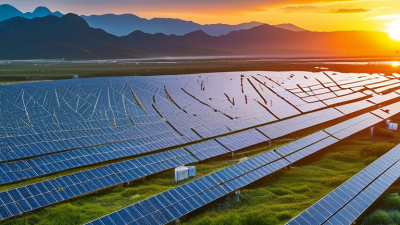







China is home to many of the world’s largest solar module manufacturers, but scale alone does not identify the right supplier. Buyers need to compare efficiency, degradation, warranty terms, production capacity, and long-term service. A module may look impressive on a specification sheet. Its value also depends on how reliably it performs after years outdoors.
IEA Executive Director Fatih Birol called solar “the new king of electricity markets worldwide.” That observation captures the industry’s momentum, not a verdict on any single brand. This guide examines leading Chinese manufacturers through practical evidence: published product data, manufacturing records, financial disclosures, and warranty conditions. It also considers differences among technologies, including TOPCon and heterojunction modules, and explains where each may fit. Details matter. A rooftop installer may prioritize dimensions and handling, while a utility-scale developer may focus on yield, bankability, and delivery schedules. Still, labels can mislead. High efficiency does not automatically mean the best project economics, and a long warranty is only useful when its terms are clear and support is accessible. Manufacturer information can change, too, so readers should verify current specifications directly before making a purchase. The comparisons that follow aim to be useful, not absolute; there is no single winner for every climate, budget, or project. One trade-off may remain uncomfortable: public data does not always reveal how a specific module will perform at a specific site.
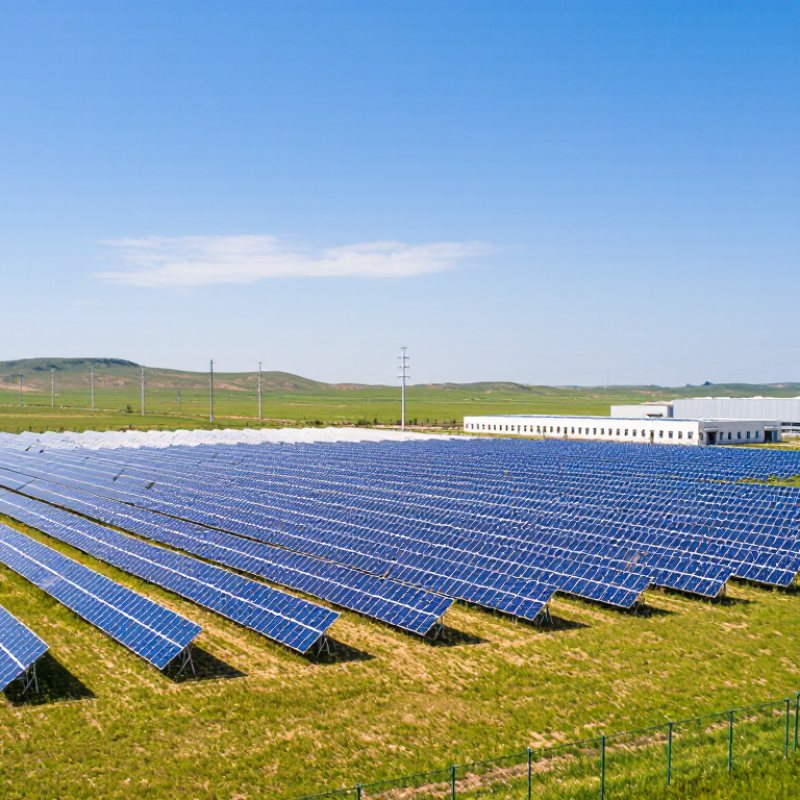
Evaluating solar module manufacturers in China takes more than comparing quoted prices or nameplate output. A useful review starts with the production line: check whether incoming cells are inspected, laminators are monitored, and finished modules receive electroluminescence testing. Ask for recent test records, not only a polished sample. Small process gaps matter.
Technical evidence should be specific and traceable. Compare power tolerance, temperature coefficients, degradation claims, and certification scope against the exact module model being offered. Independent test reports can help, but verify model numbers and dates. A report for a similar product is not enough. Look closely.
Quality also shows up in less visible details. Can the manufacturer trace a module’s materials and production batch? Are warranty terms clear about product defects and power performance? Request data on field failures and how complaints are handled. Some suppliers may not share every detail, and that itself deserves a question. It is not proof of poor quality, but it limits confidence.
Capacity and delivery plans deserve equal scrutiny. Confirm that stated output matches current production, staffing, and shipment schedules. A factory visit or third-party audit can reveal conditions that brochures cannot. Still, one visit is only a snapshot. No score is perfect. Weigh verified records, technical consistency, and responsive support together, while noting where evidence remains incomplete.
China’s solar module manufacturing landscape is shaped by large production clusters, specialized suppliers, and established export networks. This concentration can support consistent output and competitive pricing, but capacity alone does not prove product quality. Buyers should examine factory controls, component traceability, and independent test results.
Details matter. A useful supplier review looks beyond a module’s rated power. Check its temperature performance, mechanical-load data, degradation figures, and warranty conditions. Ask how production batches are tracked and how defects are handled. These records help distinguish repeatable manufacturing from attractive claims. They also reveal gaps.
Manufacturers operate within a fast-changing supply chain, where material costs and production methods can shift. That makes recent documentation more useful than old catalogues. Factory audits and sample testing can add confidence, though neither guarantees flawless performance in the field. Conditions vary. A module that performs well in a laboratory may face heat, dust, humidity, or handling damage after installation. Comparing suppliers therefore means weighing verified quality, delivery reliability, technical support, and long-term service—not just headline efficiency. Perfect certainty is rare, and procurement teams should leave room for that reality.
China’s leading solar module manufacturers combine high-volume production with careful control of materials, assembly, and testing. Their factories may use automated lines, but skilled technicians still matter when checking cell alignment, soldering, and lamination quality.
A capable manufacturer can explain its production process clearly and provide traceable test records for each module batch. Buyers should compare independent performance data, product warranties, delivery capacity, and support arrangements—not just quoted prices. Ask how modules are tested for power output, insulation, and resistance to heat and humidity. The answers reveal more than a polished brochure.
Small defects matter. A tiny cell crack or uneven seal can affect performance over time, especially in demanding climates. Still, no production line is flawless, and impressive factory images do not prove consistent quality. Request samples or third-party inspection where practical, then check that specifications match the final shipment. A strong supplier makes this verification straightforward, though buyers may need to ask careful questions.
China’s solar module manufacturers differ less by headline efficiency than by technology maturity, factory scale, and quality control. Common cell designs include TOPCon, heterojunction, and back-contact. Each can perform well, but results depend on module layout, materials, and operating conditions. Look for published efficiency data and temperature coefficients, not just a lab figure. Small details matter. A shaded roof edge can change the value of a high-output module.
Production capacity can support large orders and steadier delivery, yet factory size alone does not prove consistent quality. Ask how output is inspected, and review independent test reports where available. Product ranges may cover residential rooftops, commercial arrays, and utility projects, with options such as bifacial or glass-glass modules. Compare dimensions, power classes, warranties, and degradation terms against the installation plan. Be careful with neat comparison tables: test conditions and warranty wording may differ. I would also check lead times and replacement-module availability, since these practical details are easy to overlook.
When comparing solar module manufacturers in China, look beyond quoted price and rated wattage. Ask how each production batch is inspected, and request sample test reports for power output, insulation, and mechanical load. Ask for the data. Check whether serial numbers can be traced to manufacturing records and whether bill-of-material changes are disclosed. A certificate alone is not enough; verify its scope, issuing body, and relevance to the exact module model. For a large project, an independent factory audit can reveal how materials are stored and how defects are recorded. Small details matter.
Review warranty terms alongside the company’s ability to honor them over time. Clarify who handles claims, what evidence is required, and whether replacement modules will match the original electrical characteristics. A long warranty sounds reassuring, but its value depends on clear procedures and a financially stable supplier. Request references from buyers with projects in a similar climate, then ask about delivery consistency and after-sales response times. Check packaging details too: damaged corners or wet cartons can complicate inspection on arrival. No supplier is flawless, and paperwork may not reflect every production shift. Keep a written record of specifications, approved samples, and agreed change controls before placing an order.
No, I will think about it in future.