2026 Best Solar System Installation Options for Businesses?
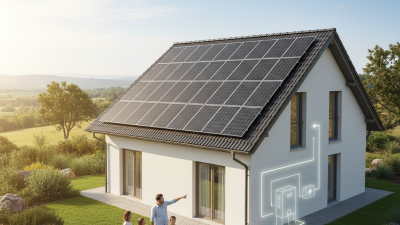
Choosing a solar system installation for a business in 2026 starts with the site, not the sales brochure. A warehouse with a broad, unshaded roof has different options from a shop with limited space or a facility that needs power after sunset. Rooftop arrays, solar carports, and ground-mounted systems can each make sense. None is automatically best.
A useful comparison looks at electricity use, roof condition, available space, and expected operating hours. Recent utility bills can reveal when a business uses the most power. That matters because solar production changes through the day and across seasons. A battery may help with evening demand or backup needs, but it adds cost and does not suit every site. Small details count. A nearby tree can shade several panels.
Businesses may buy a system, use financing, or consider a power purchase agreement. Each route affects upfront costs, maintenance responsibilities, and long-term savings differently. Incentives and utility rules also vary by location and can change, so current local guidance matters. Get written proposals with clear assumptions, equipment details, projected production, and warranty terms. Ask how estimates account for shading, downtime, and future energy prices.
The strongest option is the one that fits the business’s real operating needs, not simply the largest system. Even careful forecasts can miss. This guide compares practical installation choices, key costs, and questions to ask before signing.
Define Business Solar Needs: Load Profile, Roof Area, and Operating Hours
Before comparing installation options, map the business’s electricity use across a typical week. A monthly bill cannot show whether demand peaks at noon or after sunset. Request 15-minute interval data from the utility, then compare weekday and weekend patterns, seasonal peaks, and planned equipment changes. The U.S. Energy Information Administration’s 2018 Commercial Buildings Energy Consumption Survey covered about 5.9 million buildings and found that space heating and lighting were major energy uses. That national picture is useful, but it cannot replace a site-specific load profile. A grocery store with refrigeration running overnight needs a different system design from an office that empties by 6 p.m. Small details matter.
Next, measure roof area that can actually host panels. Exclude skylights, mechanical equipment, access paths, and shaded sections; a large roof does not guarantee a large solar array. Record roof age and condition, too. Replacing a roof soon after installation can add cost and disruption. Finally, match expected solar production to operating hours. Daytime loads can use more on-site generation directly, while evening-heavy businesses may evaluate storage or other system configurations. NREL’s PVWatts tool estimates production using location, system size, and orientation, but it is a modeling tool, not a site inspection. Treat its output as an estimate. Real roofs are rarely as tidy as drawings suggest.
2026 Business Solar Planning: Match Rooftop Capacity to Daytime Demand
Illustrative planning estimates: usable roof area is assumed to support about 0.15 kW of solar capacity per square metre. Estimated system capacity is compared with daytime peak demand; operating hours are shown in each facility label. Actual suitability depends on a site’s interval load data, roof condition, shading, structural limits, and local design requirements.
Benchmark the Market: U.S. Solar Added 32.4 GW in 2023 (SEIA)
The U.S. added 32.4 gigawatts of solar capacity in 2023, according to the Solar Energy Industries Association. That benchmark shows a growing market, not a guarantee that every business installation will pay off.
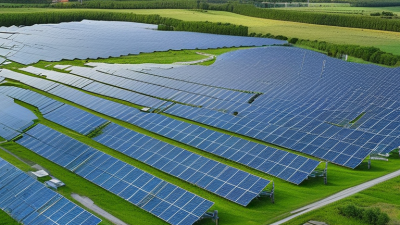
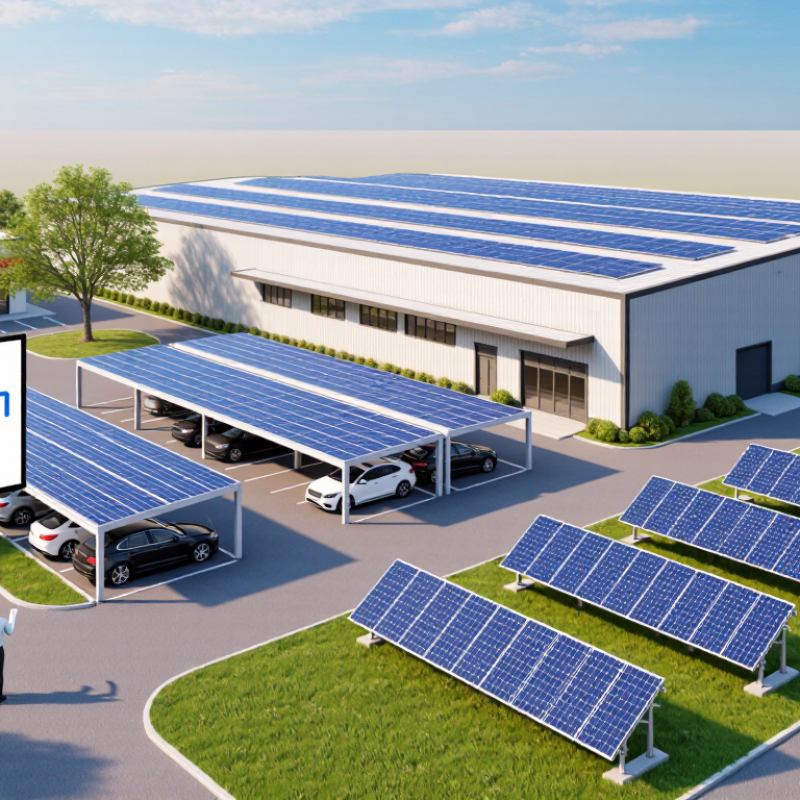
Site conditions matter. A warehouse with a broad, unobstructed roof may suit rooftop panels, while a parking lot could support solar canopies and provide shade for vehicles. Businesses with available land may also assess ground-mounted systems.
Compare options using actual energy bills, roof inspections, and hourly electricity use. Ask whether the roof can carry the equipment and whether planned repairs could complicate installation. These details can change project costs.
Ownership may offer more control, while leasing or a power purchase agreement may reduce upfront spending; terms and savings vary. Review them carefully. Capacity growth is encouraging, but it does not tell you how quickly your own project will connect or perform.
I would not choose a system from a national growth figure alone. Get site-specific estimates, check production assumptions, and leave room for uncertainty. One overlooked roof repair can matter.
Compare Rooftop, Carport, and Ground-Mount Installation Options
Rooftop systems
Rooftop, carport, and ground-mount systems solve different site problems. A rooftop array uses existing space and can connect near a building’s electrical loads. But roof age, structural capacity, shading, and access for repairs matter. NREL’s 2023 Annual Technology Baseline models commercial rooftop solar separately from utility-scale systems, reflecting their different costs and project conditions. A roof that needs replacement soon can turn a seemingly simple project into an expensive one. Check the structure first.
Carports add solar above parking stalls, producing electricity while providing shade and weather cover. They can be useful where roofs are crowded or unsuitable, though taller structures, foundations, drainage, and vehicle clearance add design work. Ground-mount arrays offer more freedom to set panel angle and spacing. NREL’s 2024 Electricity Annual Technology Baseline notes that utility-scale solar costs are shaped by site, labor, and equipment assumptions; those benchmarks should not be treated as direct commercial-project quotes. Ground systems also require available land and careful attention to grading, soil, and cable runs. A few shaded rows can matter. Compare realistic bids using the same system size, energy estimate, maintenance access, and connection scope. The best option depends on the property, not just panel price.
Choose Ownership, Lease, or PPA Using Site Costs and Cash-Flow Goals
A solar project should fit the building and the balance sheet. Ownership can make sense when a business has capital available and expects to use the site for many years. The owner pays for equipment and installation, then manages maintenance and system performance. Roof age matters: replacing a roof later can add cost and disrupt production. Get a structural review and a realistic estimate of usable roof area before comparing proposals.
A lease may reduce upfront spending. The provider typically owns the system, while the business makes scheduled payments. This can suit companies that prefer predictable costs over equipment ownership. Check how payments change over time, who handles repairs, and what happens if the property is sold. Small contract details can become large practical issues.
A power purchase agreement, or PPA, usually ties payments to electricity the system produces. It may preserve cash for equipment, hiring, or other priorities. Yet production varies with shade, weather, and system design, so compare the proposed energy price with recent utility bills—not just an idealized forecast. Ask for production assumptions and a clear explanation of any escalators. The cheapest-looking option may not be the best fit. I would also leave room for uncertainty; estimates are not guarantees. A careful comparison of site costs, payment terms, and cash-flow goals can reveal which structure is workable for this building.
Assess Solar-plus-Storage: IRENA Reports $0.044/kWh Global PV LCOE for 2023
For businesses comparing solar installation options in 2026, the economics deserve a closer look. IRENA’s Renewable Power Generation Costs in 2023 reports a global weighted-average levelized cost of electricity of $0.044 per kilowatt-hour for newly commissioned utility-scale solar PV. That is a useful benchmark, not a guaranteed commercial project price. Rooftop conditions, financing, local electricity rates, and grid-connection work can change the result substantially.
Solar-plus-storage can add value when a facility needs power after sunset, faces costly peak-demand charges, or wants backup during outages. But batteries add upfront expense and eventually need replacement. The U.S. National Renewable Energy Laboratory’s storage research emphasizes evaluating use cases and system performance over time; a low solar LCOE alone cannot establish whether storage pays back. Model hourly building loads against solar output, battery losses, tariff rules, and expected battery life. A warehouse with daytime cooling may need a different design from a night-shift factory. Real bills can be messier than models suggest.
Tips: Collect 12 months of interval electricity data before requesting proposals. Ask for separate solar-only and solar-plus-storage estimates, including usable battery capacity, degradation assumptions, maintenance, and outage duration. Check roof shading at different times of day. Then test the proposal against a conservative case with lower savings and higher replacement costs. A perfect forecast is unlikely. That uncertainty should be visible, not buried.