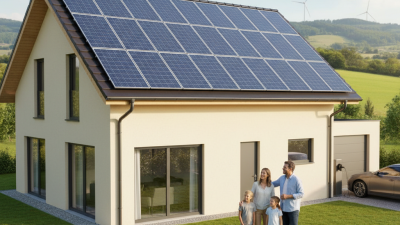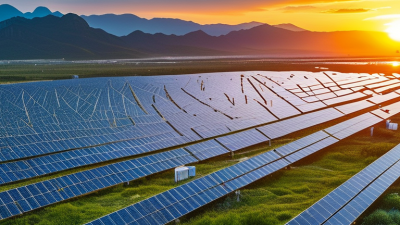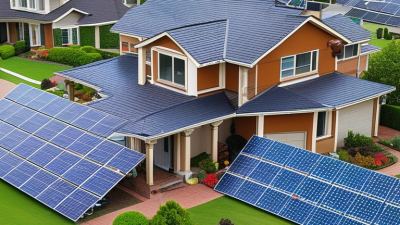





Solar power systems in 2026 generally fall into four practical types: grid-tied, off-grid, hybrid, and utility-scale systems. Grid-tied systems send excess electricity to the public network and usually exclude batteries. They suit urban buildings with stable grid access. Off-grid systems combine solar panels, batteries, charge controllers, and backup generation. They serve remote homes, farms, and telecom sites where grid connection is unavailable or expensive.
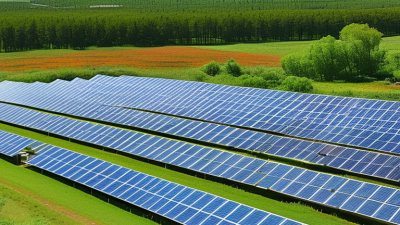
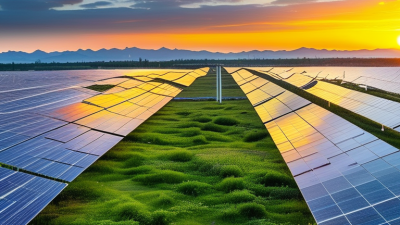
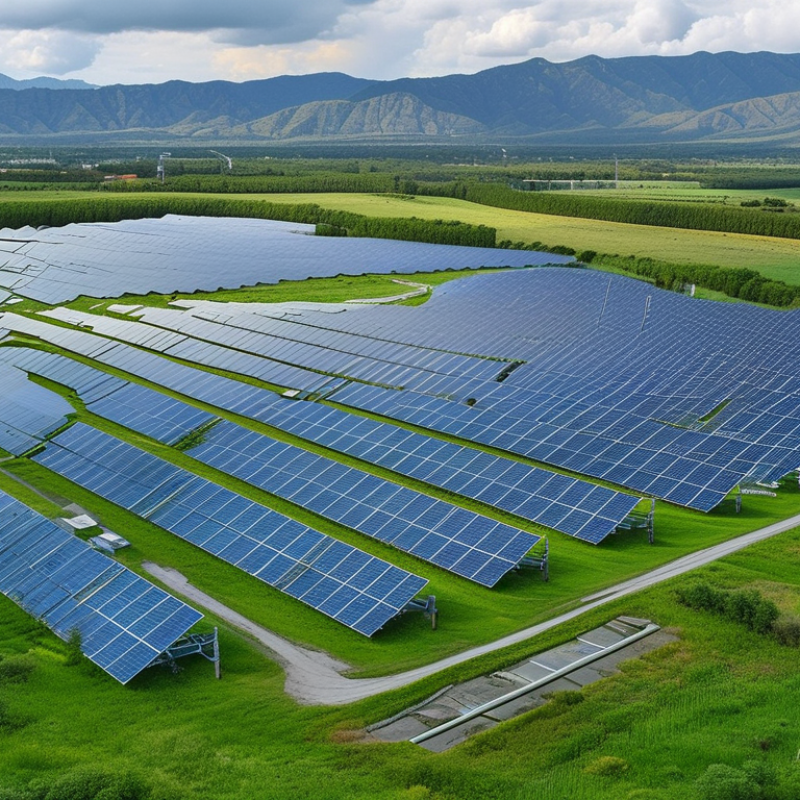
Hybrid systems connect solar generation, batteries, and the grid. They can provide backup power during outages and reduce electricity purchases during expensive hours. However, battery size must match real consumption patterns, not optimistic estimates. A family using evening appliances needs different storage from a warehouse operating at midday. Utility-scale systems use large solar fields, high-voltage equipment, and centralized monitoring. They can supply power to thousands of customers, but land, transmission capacity, and permitting strongly affect project value.
The IEA PVPS Trends 2024 report recorded global photovoltaic capacity above 1.4 terawatts by the end of 2023, showing how quickly system choices are expanding. The International Energy Agency also identifies solar PV as a major driver of renewable capacity growth this decade. Yet, reports do not replace a site survey. Roof direction, shading, local weather, tariff rules, and maintenance access can change the best design. Small details matter. A poorly placed battery may shorten its service life. A technically impressive system can still disappoint when its daily load assumptions are wrong.