How to Choose the Best Home Solar Power System for Your Needs?
Choosing the right home solar power system is crucial for homeowners seeking energy independence. The solar energy market has seen exponential growth, with the U.S. adding approximately 19.2 gigawatts of solar capacity in 2020 alone. This boom indicates both rising interest and potential savings. However, selecting an appropriate system can be challenging, given the myriad of options available.
Understanding your energy needs is essential. According to the Solar Energy Industries Association, a typical home may save between $10,000 to $30,000 over 20 years with solar installation. Homeowners should evaluate their average monthly electricity consumption and future needs. Many homeowners overlook the importance of system efficiency and durability when making their choice.
Additionally, considerations like local incentives and rebate programs can impact overall costs. The decision on a home solar power system should encompass both financial and environmental perspectives. Installation quality matters significantly; a poorly installed system can lead to inefficiencies. Many consumers find themselves reflecting on their decisions after installation, wishing they had done more research. Prioritizing informed decisions can lead to a sustainable solar solution that benefits both the wallet and the planet.
Understanding Your Energy Needs and Consumption Patterns
When considering a home solar power system, understanding your energy needs is crucial. The U.S. Energy Information Administration (EIA) reports that the average American household consumes about 877 kilowatt-hours (kWh) each month. This figure can vary significantly based on region, home size, and lifestyle choices. For instance, homes in warmer climates may use more energy for cooling, while colder areas face higher heating demands.
Analyzing your consumption patterns requires attention to detail. Track your energy bills for at least a year. Look for seasonal trends. Are there months when your usage spikes? This information helps determine the size and capacity of the solar system you need. Solar panels can produce varying amounts of energy based on sunlight exposure, which can fluctuate throughout the year. The National Renewable Energy Laboratory (NREL) states that a solar energy system can reduce energy consumption by up to 50%, but actual performance can differ from projections.
Keep in mind, not all energy needs are constant. Some appliances, like refrigerators and water heaters, consume more energy when starting up. These “surge” demands should be factored into your assessment. It’s also essential to anticipate future changes in your energy needs. Adding electric vehicles or home expansions can lead to higher consumption. Planning ahead will help ensure your solar investment remains effective over time.
How to Choose the Best Home Solar Power System for Your Needs?
| Criteria |
Description |
Example Value |
| Energy Consumption |
Average monthly energy usage in kWh |
600 kWh |
| System Size |
Size of the solar system needed in kW |
5 kW |
| Roof Space |
Available area on the roof for solar panels (in sq. ft.) |
350 sq. ft. |
| Sunlight Exposure |
Number of peak sunlight hours received daily |
5 hours |
| Budget |
Total amount willing to spend on the solar system |
$15,000 |
| Incentives |
Available tax credits or rebates for solar installation |
30% Federal Tax Credit |
Types of Solar Power Systems Available for Home Use
When considering a solar power system for home use, understanding your options is essential. There are three main types: grid-tied, off-grid, and hybrid systems. A grid-tied system connects to the local utility grid. This type allows homeowners to draw electricity from the grid when needed. It can be cost-effective, but relies on the grid's stability.
Off-grid systems operate independently and are perfect for remote areas. They use batteries for storage, providing power during outages. While they grant independence, the investment is substantial. Additionally, maintaining batteries can be challenging. Hybrid systems combine features of both types, offering flexibility. They can both connect to the grid and use battery storage. However, they might require more complex installation and management.
Choosing the right type requires careful consideration. Home energy needs and budget constraints play crucial roles. Many homeowners underestimate their long-term power needs. A review of past electricity bills can offer insights into consumption patterns. Reflect on lifestyle changes that might affect future energy use. Each system has its pros and cons, which can lead to confusion. Hence, consulting with an energy expert may provide clarity.
Evaluating Your Roof's Suitability for Solar Panel Installation
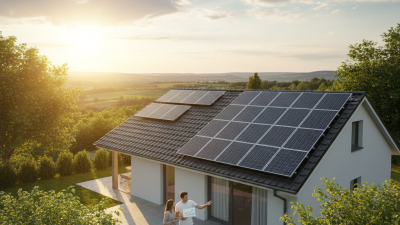
Evaluating your roof’s suitability for solar panel installation is crucial. Start by checking the roof's orientation. South-facing roofs capture the most sunlight. East and west-facing roofs can also work, but they may produce less energy. The pitch of the roof matters too. A sloped roof generally offers better light absorption than a flat one.
Next, examine the materials. Asphalt shingles and metal roofs are the most solar-friendly. If your roof is old or in poor condition, it might need repairs or replacement. This can lead to additional costs. Consider shaded areas from trees or neighboring buildings. They can significantly reduce solar efficiency.
Look at the overall size of your roof space. A larger area allows for more solar panels. However, size alone does not guarantee effectiveness. It's also important to think about local climate conditions. Areas with frequent cloud cover may not benefit as much from solar installations. Evaluating all these factors carefully will help you avoid costly mistakes later.
Evaluating Roof Suitability for Solar Panel Installation
Assessing Budget and Financial Incentives for Solar Systems
When choosing a solar power system, understanding your budget is essential. The initial investment may seem daunting, but various financial incentives can reduce the burden. Federal and state tax credits often cover a significant portion of costs. Research local rebates and incentives as well; they can make a big difference.
Tips: Always check if your area offers performance-based incentives. Consider financing options like solar loans or leases. These alternatives can help spread out costs.
Keep in mind hidden expenses. Installation and maintenance are often overlooked. Be prepared for these costs during your planning phase. Assessing your energy needs accurately can prevent over-purchasing. An efficient system should align with your usage patterns, helping to maximize savings.
Tips: Get multiple quotes to ensure competitive pricing. Speak with certified professionals to gauge realistic expectations. Don't rush the decision; take your time to reflect on your choices.
Choosing the Right Solar Installer and Equipment for Your Project
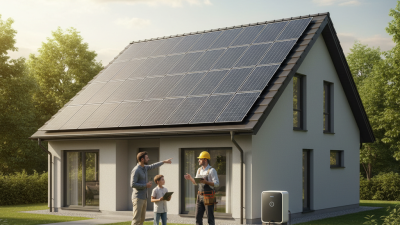
Choosing the right solar installer is crucial for the success of your home solar power project. Look for installers with strong credentials and positive customer reviews. Check their certifications and experience in the field. A reliable installer should be able to explain the installation process clearly. Communication is key; you want someone who listens to your needs.
When selecting equipment, consider efficiency and warranty options. Not all solar panels are created equal. Research the technology used in different systems. Efficiency ratings can vary widely, impacting your long-term savings. Some options may promise a lot but fall short in real-world applications. Ask for detailed performance data to make informed choices.
Don't rush this decision. It's tempting to go for the lowest price. However, this might lead to inadequate service or poor equipment. Take your time evaluating quotes and understanding the offerings. Engaging with knowledgeable professionals can help clarify potential pitfalls. A well-informed choice can save you trouble down the line.