How to Choose the Best Home Solar Power System for You?
Choosing the best home solar power system is crucial for sustainable energy use. With numerous options available, it can be overwhelming. Many homeowners feel uncertain about what to prioritize. A well-chosen system can significantly reduce energy bills and lower your carbon footprint.
When selecting a home solar power system, consider energy needs, budget, and installation space. Each aspect plays a vital role in effectiveness. Some systems may promise high efficiency but can be cost-prohibitive. Take time to evaluate different brands and technology types.
Remember, not every system suits every household. Personal lifestyle and energy habits affect your choice. An informed decision can lead to long-term savings and environmental benefits. Researching and consulting professionals can help you navigate through options. In the end, choosing the right home solar power system should reflect your unique circumstances and goals.
Understanding Your Energy Needs for Solar Power
When considering a home solar power system, understanding your energy needs is crucial. Begin by evaluating your electricity consumption. Look at your utility bills for the past year. Identify the months when you used the most energy. This data will help you gauge your average daily usage.
Next, consider your lifestyle. If you work from home, your energy needs will be different compared to someone who is rarely home during the day. Appliances also play a big role. High-consumption devices like air conditioners and heaters can significantly impact your requirements. Estimating their usage time will give you a clearer picture.
Don't forget to think about future changes. Are you planning to add more appliances or an electric vehicle? These factors will increase your energy needs. Adjusting your calculations accordingly is essential. Rely on precise data, but be mindful of the unpredictability of energy consumption.
Evaluating your solar options will become clearer once you have a firm grasp on your needs.
Types of Solar Power Systems: Grid-Tied vs. Off-Grid
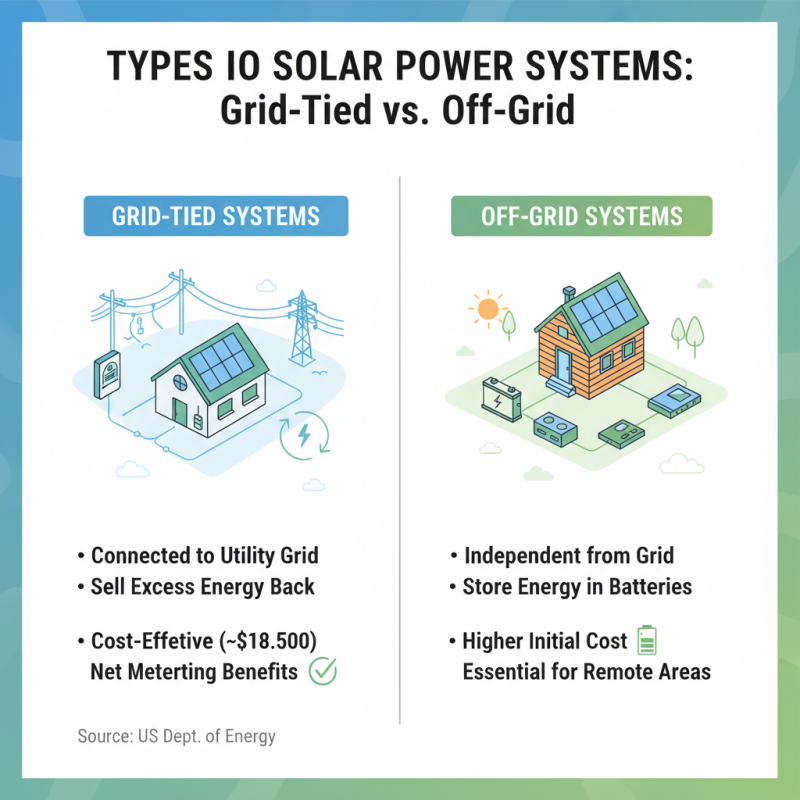
When selecting a solar power system, understanding the differences between grid-tied and off-grid options is essential. Grid-tied systems are connected to the electrical grid and allow homeowners to sell excess energy back to the grid. According to the U.S. Department of Energy, these systems can be cost-effective, with installations averaging around $18,500 before tax credits. They benefit from net metering, which compensates for energy produced but not used.
On the other hand, off-grid systems are independent and rely solely on solar energy. They require batteries to store energy for use during low production months. This setup can be more expensive, with costs averaging over $30,000, according to the Solar Energy Industries Association. Off-grid systems provide self-sufficiency, but they often involve complex installations and maintenance challenges. It’s crucial to evaluate your specific energy needs and location before making a decision.
Choosing the right option also involves reflection on your lifestyle. If you live in an area with frequent power outages, an off-grid system may seem appealing. However, consider the maintenance and replacement costs of batteries over time. In contrast, grid-tied setups work well for urban dwellers seeking convenience and lower upfront investments. Each option has its pros and cons, shaping the long-term effectiveness of your solar investment.
Evaluating Solar Panel Efficiency and Quality
When evaluating solar panel efficiency and quality, consider various factors. The efficiency of a solar panel refers to its ability to convert sunlight into electricity. According to the National Renewable Energy Laboratory, the average solar panel efficiency ranges from 15% to 22% in 2023. This metric is essential for understanding how much energy a panel can produce in a given space.
Beyond efficiency, the quality of solar panels plays a crucial role. Look for panels with durable materials that can withstand harsh weather conditions. Research shows that higher-quality panels tend to have longer lifespans and better performance guarantees. For instance, panels that outperform the market average may come with warranties extending up to 25 years, ensuring reliability.
Additionally, consider the performance ratio (PR), which indicates how well a solar system performs under real-world conditions. A PR above 80% is often seen as a marker of quality. However, not all systems achieve this level, leading to potential discussions about value versus output. Engaging with credible reviews and expert analyses can illuminate the best options tailored to individual energy needs and local climate conditions.
Calculating Costs and Potential Savings of Solar Installations
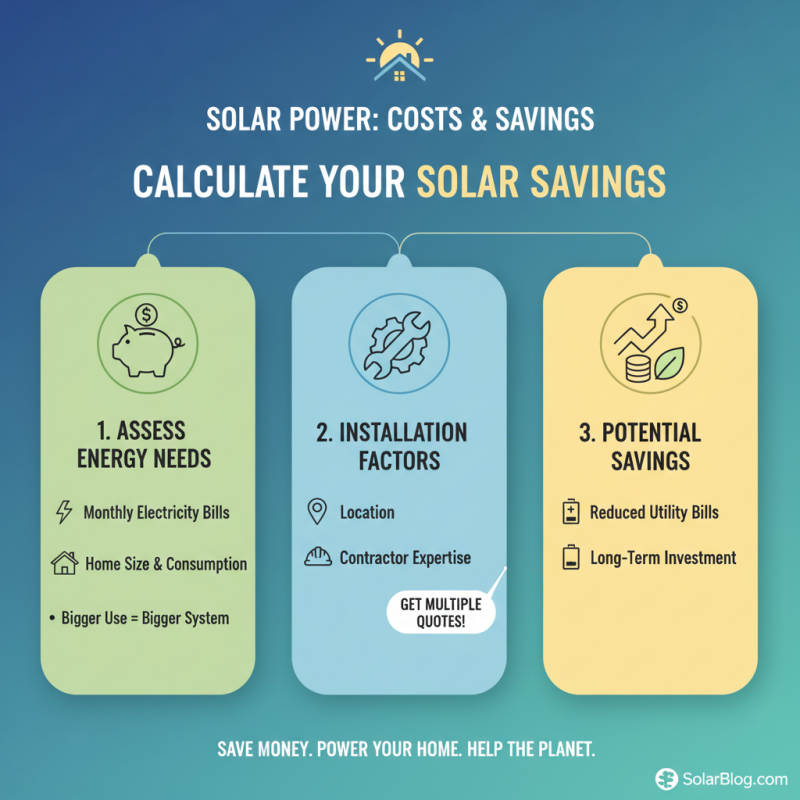
When choosing a home solar power system, calculating costs is essential. Start by assessing your energy needs. Consider your monthly electricity bills and the size of your home. The larger your energy consumption, the greater the system you may require. Installation costs can vary significantly based on location and contractor expertise. It’s wise to obtain multiple quotes.
Potential savings from solar energy can be substantial. Homeowners may reduce or even eliminate their electricity bills. It could take around five to seven years to break even on the initial investment. Factors like regional solar incentives and tax credits play a vital role in overall savings.
Tips: Consider using an online solar calculator. This tool can estimate installation costs, energy savings, and payback period. Additionally, keep an eye on your electricity usage. Understanding your consumption patterns helps you make informed decisions. Reflect on whether storage options, like batteries, are necessary for your lifestyle. Balancing upfront costs with long-term savings is a critical step in the evaluation process.
Choosing a Reliable Installer and Maintenance Considerations
Choosing the right installer for your home solar power system is critical. According to a recent report by the Solar Energy Industries Association, professional installation can enhance system efficiency by up to 15%. This not only boosts performance but also maximizes your return on investment. The reliability of your installer directly impacts your system’s longevity and effectiveness.
It’s essential to vet potential installers thoroughly. Look for certifications from reputable organizations, such as the North American Board of Certified Energy Practitioners. Consumer reviews and testimonials can provide insights, but always question their reliability. One statistic from a consumer report shows that 30% of homeowners regretted their choice due to inadequate post-installation support.
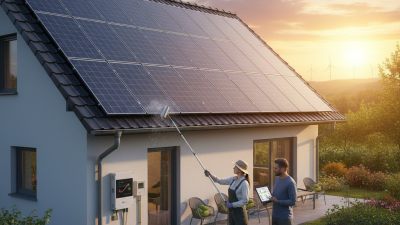
Maintenance goes beyond the initial setup. Regular checks can identify minor issues before they escalate. According to the National Renewable Energy Laboratory, neglecting maintenance can lead to performance drops of 20% over time. Explore partnership options for maintenance with your installer. This can ensure that you receive timely and professional service, keeping your solar system efficient and reliable throughout its lifespan.