






How to Choose the Best Home Solar System for Your Needs?

Choosing the right home solar system is crucial for your energy needs. With various options available, it can be overwhelming. Understanding how to identify the best fit will lead to long-term savings and sustainability.

Consider your energy consumption patterns and electrical requirements. Analyze your monthly utility bills for better insight. The right home solar solution should reflect both your budget and energy needs. Evaluate different types of panels and inverters based on efficiency.

Seek guidance from trusted experts in the solar industry. Their experience can help navigate complex options. It's essential to ensure the products and services you choose are from reputable manufacturers. As you explore choices, remain open-minded about potential shortcomings and uncertainties. Solar technology is evolving, so staying informed is vital for getting the best value for your investment.

How to Choose the Best Home Solar System for Your Needs?

Understanding Your Energy Needs and Consumption Patterns
How to Choose the Best Home Solar System for Your Needs?

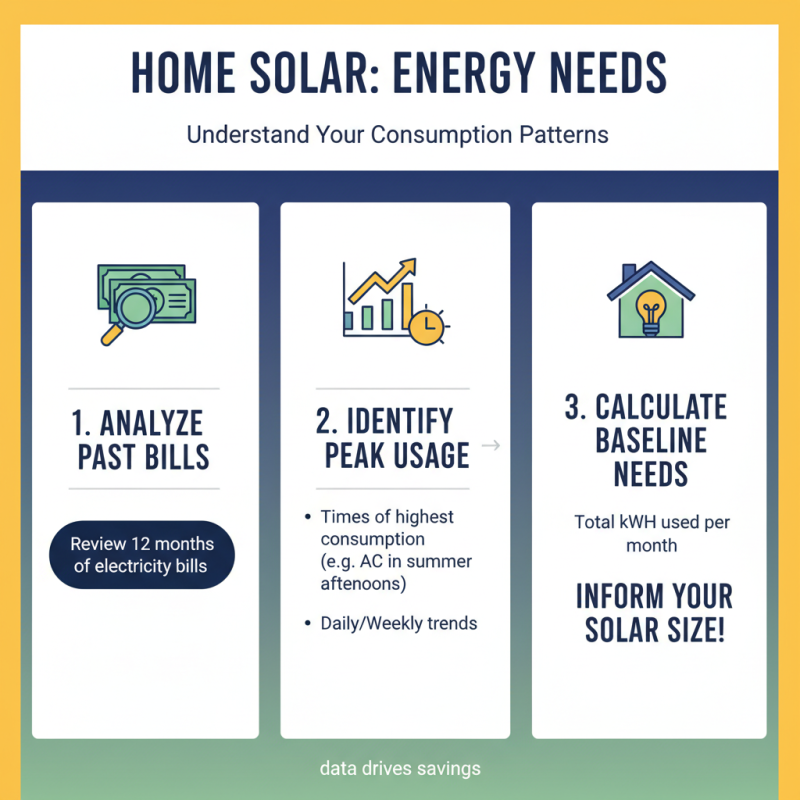
Understanding your energy needs and consumption patterns is critical when choosing a home solar system. Start by analyzing your electricity bills over the past year. Identify peak usage times and the total energy consumed each month. This will give you a clearer picture of your baseline energy needs.

Next, consider the appliances you often use. Calculate the wattage they require and how long they run daily. High-use appliances like refrigerators and air conditioners should be prioritized in your planning. Are your energy habits flexible? Sometimes reducing usage during peak times can save money.

Reflect on your lifestyle changes as well. For example, if you plan to add electric vehicles or increase appliance use, adjust your solar capacity accordingly. It’s important to account for these potential changes. Reliable data will guide your choice, helping ensure your solar system meets your evolving needs.

Evaluating Different Types of Solar Panel Technologies

When selecting a home solar system, understanding different solar panel technologies is crucial. There are three main types: monocrystalline, polycrystalline, and thin-film. Monocrystalline panels are known for their higher efficiency, often exceeding 20%. This makes them ideal for homeowners with limited roof space. Polycrystalline panels are slightly less efficient but more affordable, making them a popular choice.

Thin-film technologies offer flexibility and lightweight solutions. However, they typically have lower efficiency rates, around 10-12%. The choice of technology will significantly impact your system's performance and long-term savings. According to the National Renewable Energy Laboratory, choosing the right technology can result in a performance difference of up to 30%.

Tip: Assess your energy needs before choosing a panel type. Calculate your average energy consumption to determine system size and efficiency.

In reality, many homeowners overlook warranties and longevity. Panels from reputable manufacturers should offer at least 25 years warranty. This is a key factor in reliability. However, some cheaper options might seem appealing but can lead to higher long-term costs due to lower efficiency and potential replacements.

Tip: Always request efficiency ratings and degradation rates from manufacturers. Understanding these metrics helps in making informed decisions.

Calculating Your Solar System Size and Energy Output Requirements

How to Choose the Best Home Solar System for Your Needs?

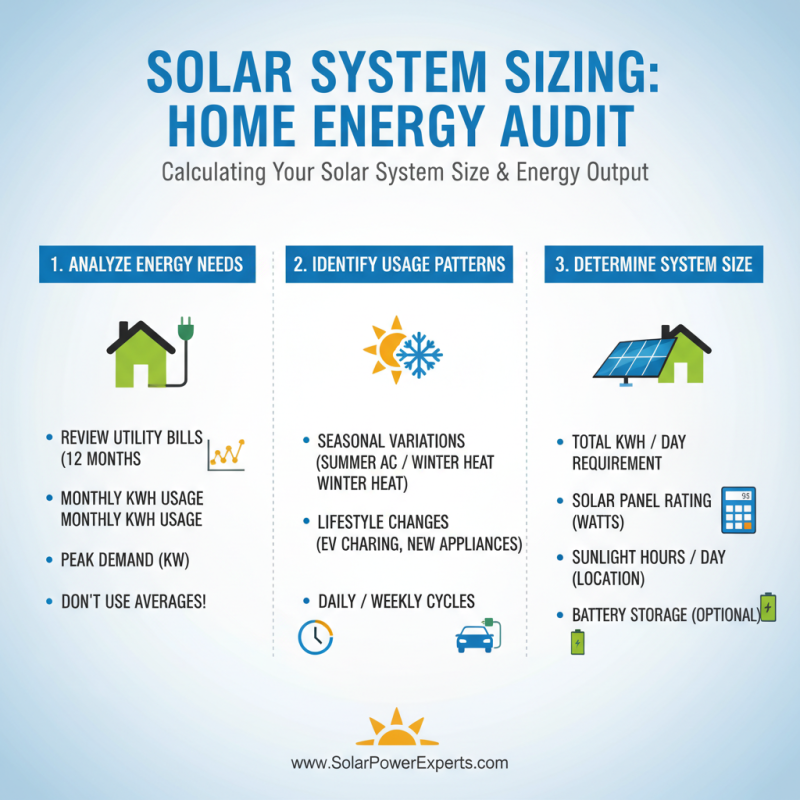
Choosing the right size for your home solar system is crucial. Start by analyzing your energy needs. Look at past utility bills to understand your monthly electricity use. Averages can mask your actual needs, so dig deeper. Seasonal variations and lifestyle changes influence usage patterns.

Next, determine your solar system's output requirements. This involves calculating how much sunlight your roof receives. Factors such as roof orientation and shading can significantly affect output. Use this information alongside your energy consumption data. It helps to estimate the number of panels required for your home. Aim for a balance between energy independence and investment costs.

Many homeowners underestimate the complexities of sizing a solar system. Miscalculations can lead to insufficient energy or excess expenditure. It is vital to involve professionals in the planning phase. Their expertise can pinpoint ideal system size and optimize energy efficiency. Always be ready to reassess your energy needs as circumstances change.

Assessing Financial Incentives and Return on Investment for Solar Installations

When considering a home solar system, financial incentives are crucial. Tax credits can reduce upfront costs significantly. Many homeowners may not realize that these incentives vary by state. Local programs often enhance savings further. Understanding each option is essential before installation.

Calculating return on investment (ROI) helps gauge the system's long-term value. Assess energy savings over time. This can reveal whether your solar installation is financially sound. Sometimes, unexpected costs arise, such as maintenance or energy price changes. Analyzing your typical energy usage will provide clarity on expected savings.

Don’t overlook potential setbacks. For example, installation may face delays or permit issues. Evaluating these risks is necessary for an informed decision. Speaking with solar energy professionals can also provide insights into your expected return. Transparency in costs and savings will ensure better planning for your solar energy journey.

How to Choose the Best Home Solar System for Your Needs?

Dimension Value
Average Installation Cost (USD) $15,000
State Incentives (USD) $3,000
Federal Tax Credit (%) 26%
Expected Annual Savings (USD) $1,500
Payback Period (Years) 9 years
System Lifespan (Years) 25 years
Average Return on Investment (%) 10%

Exploring Installation Options and Selecting a Qualified Contractor

When selecting a qualified contractor for your home solar system, experience matters. Look for contractors with a solid track record. Ask for references and customer testimonials. Those with years of experience often provide better insights and solutions. A reputable contractor should have expertise in local regulations and incentives.

Don’t overlook licenses and certifications. Check that the contractor meets state requirements. This ensures quality and adherence to safety standards. Confirm that they are insured. Liability insurance protects you from potential accidents during installation.

Consider multiple quotes before making a decision. This not only gives you a clearer picture of costs but also helps you assess the contractor's professionalism. A hurried installation may lead to future maintenance issues. Take your time, ask questions, and don’t hesitate to discuss concerns. Remember, your solar system is a long-term investment.

Home Solar System Installation Options

This chart illustrates the various installation options for home solar systems based on percentage preferences from homeowners.

© 2025 Australian Premium Solar