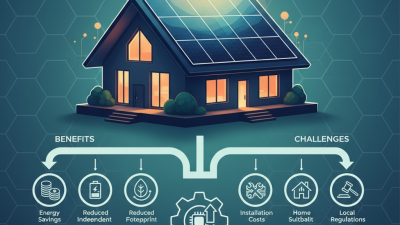







Top 10 Solar Installation Tips for Global Buyers to Consider?

When considering solar installation, buyers should prioritize informed decisions. The increasing demand for renewable energy solutions has led many to explore solar power. However, effective installation requires careful planning and assessment.

Buyers must focus on several key factors before proceeding. Understanding local regulations is essential, as they greatly impact installation costs and timelines. Each region has different requirements that can trip up unprepared investors. Additionally, evaluating the technology is vital. Solar panels vary in efficiency and durability. Many buyers overlook these aspects, leading to unsatisfactory results.

The choice of an installation provider also plays a crucial role. Having a reliable contractor can make all the difference. Some companies may lack experience or credentials, which can create pitfalls. Engaging with reputable professionals ensures higher quality and fewer headaches. Ultimately, while the benefits of solar energy are significant, navigating the installation process requires diligence and foresight.
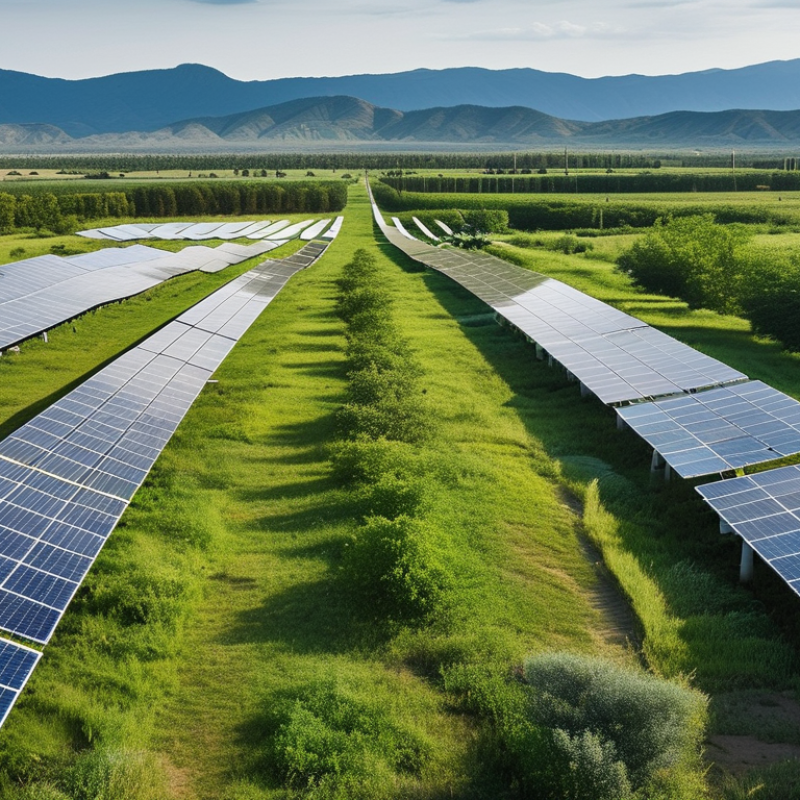
Top 10 Solar Installation Tips for Global Buyers to Consider?

Important Factors to Assess Before Choosing a Solar Installation Provider

When evaluating a solar installation provider, several crucial factors demand your attention. The reputation of a provider is paramount. According to a recent industry report, 70% of consumers trust online reviews and ratings. This statistic illustrates the importance of checking customer feedback. Reach out to previous clients to gather firsthand experiences. Their insights will shed light on the reliability and service quality of the provider.

Next, consider the experience and expertise of the installation team. A provider with over five years in the industry often demonstrates a deeper understanding of solar technology. The National Renewable Energy Laboratory highlights that experienced firms tend to have better installation practices, leading to increased efficiency. It's essential to ask about their certifications and training, as these ensure adherence to industry standards.

Moreover, transparency in pricing is vital. Many buyers overlook hidden costs in quotes. According to the Solar Energy Industries Association, 30% of customers encounter unexpected expenses post-installation. Ensure your provider offers a detailed breakdown of costs. This will help you avoid unpleasant surprises and foster a trusting relationship. Remember, thorough research and careful consideration can help you make an informed decision when selecting your solar installation provider.

Key Considerations for Selecting the Right Solar Technology for Your Needs

When selecting solar technology, several key factors demand attention. Efficiency ratings are crucial. According to the National Renewable Energy Laboratory, solar panel efficiencies can range from 15% to over 22%. Higher efficiency panels may be more expensive but offer better long-term energy production. Understanding your specific energy needs helps evaluate the right efficiency for your situation.

Durability plays a critical role, especially in varying climates. A report from the Solar Energy Industries Association notes that panels can last 25 years or more. However, factors like hail, snow, or extreme heat can affect lifespan. Researching weather resistance can save future costs on repairs or replacements. Consider your local environment when choosing the technology.

Installation practices also impact performance. Poor installation can lead to inefficiencies. The International Energy Agency reports that up to 30% of potential solar energy can be lost due to improper setup. Engaging qualified professionals helps ensure optimal performance and longevity of the system. Reflecting on your choices and seeking expert opinions can enhance your solar investment.

Understanding Local Regulations and Incentives for Solar Installations

Understanding local regulations and incentives is essential when considering a solar installation. Each country, and often each region, has unique laws governing solar energy systems. Buyers must familiarize themselves with zoning laws, building codes, and permitting processes. For instance, some areas may require specific permits that can delay installation.

Incentives can significantly impact the overall cost of solar systems. Tax credits, rebates, and feed-in tariffs vary widely. Some governments offer programs that make solar energy more affordable, encouraging homeowners and businesses to invest. Not knowing these options can lead to higher expenses.

Finding reliable sources for local regulations can be challenging. Government websites are a good start, but local utility companies may have additional insights. It’s worth considering consulting with local experts. They can provide tailored advice and ensure compliance with regulations. However, not all advice will be perfect. Always double-check information to avoid pitfalls. Taking the time to understand these aspects can lead to better decisions regarding solar investments.

Top 10 Solar Installation Tips for Global Buyers to Consider

Tip Description Local Regulations Incentives
Research Local Solar Policies Understand your country's regulations regarding solar installation. Building permits, grid connection rules Tax credits, rebates
Consult with Local Experts Engage with local installers who know the area. Installation standards State grants for renewable energy
Assess Your Energy Needs Evaluate your household or business energy consumption. Energy consumption reporting Incentives for energy efficiency
Evaluate Site Conditions Check roof condition, shade, and orientation. Site assessment regulations Site preparation grants
Compare Equipment Options Research different solar panel and inverter options. Efficiency standards Subsidies for high-efficiency solar units
Understand Financing Options Explore loans, leases, and PPA agreements for financing. Loan approval processes Low-interest loan programs
Plan for Maintenance Set aside a budget for future repairs and maintenance. Maintenance guidelines Incentives for maintenance programs
Explore Grid Connection Options Understand the process to connect with local grids. Grid compatibility standards Net metering policies
Stay Updated on Policy Changes Regularly check for any updates in solar policies. Regulatory body announcements Changes in available incentives

Steps for Determining the Optimal Solar System Size for Your Property

Determining the optimal solar system size for your property is crucial. A common mistake is assuming bigger systems always yield better results. The right system size depends on your energy needs and local conditions. Research shows that over-sizing can lead to unnecessary costs and inefficiencies.

Start by assessing your energy consumption. Review past utility bills to understand usage patterns. On average, a household uses about 877 kWh per month. Multiply that by 1.2 to account for future growth. This calculation gives you a baseline. Industry experts often recommend installing 1 kW of solar power for every 100-150 square feet of roof space.

Consider your location's solar potential. Areas with high sunshine hours, like the southwestern U.S., benefit more from solar energy. According to the National Renewable Energy Laboratory, systems in these regions can produce up to 30% more energy than those in less sunny areas. Be mindful of shading from trees or buildings, as it can significantly interfere with solar efficiency. Understanding these factors helps in deciding the suitable system size.

Best Practices for Maintenance and Monitoring of Solar Installations

Effective maintenance and monitoring of solar installations are crucial for maximizing efficiency and longevity. According to the Solar Energy Industries Association, nearly 90% of solar panels can maintain efficient production for 25 years or more with proper care. Regular cleaning and inspection are essential. Dust and debris can reduce energy output by up to 20%. Monitoring systems can help detect performance drops early, leading to prompt action.

Investing in a reliable monitoring system enhances transparency. Data from the National Renewable Energy Laboratory shows that real-time performance monitoring can increase energy yield by 10-15%. This allows users to identify underperforming panels or potential technical issues rapidly. Achieving peak performance is often a process of trial and error. Understanding your system’s unique challenges is key. Seasonal changes and local climate can impact solar performance, making adaptations necessary.

Don't overlook inverter maintenance. The inverter is the heart of the solar system. According to industry reports, around 25% of solar failures are due to inverter issues. Regular checks and timely replacements can prevent costly downtime. It’s important to involve professionals for thorough inspections. Accurate monitoring coupled with proactive maintenance can significantly increase system reliability and efficiency. Yet, users need to stay informed and adaptable as technology evolves.

© 2025 Australian Premium Solar