Why Choose Home Solar Systems for Sustainable Energy Solutions?
The rise of home solar systems marks a significant shift towards sustainable energy solutions. Homeowners increasingly recognize the benefits of harnessing solar energy. With solar panels installed on rooftops, families can reduce their reliance on non-renewable energy sources. This transformation is crucial for both environmental health and energy independence.
The advantages of home solar systems extend beyond reducing carbon footprints. They also offer financial savings in the long run. Many users notice decreased electricity bills immediately after installation. Some may worry about the initial costs, but various incentives and financing options exist. It's essential to consider both short-term investments and long-term gains.
Each homeowner's journey with solar energy can be unique. Some may find the transition challenging due to space limitations or local regulations. Others may hesitate due to perceived maintenance complexities. These are valid concerns worthy of exploration. Despite the challenges, the push for sustainable energy through home solar systems remains an invaluable endeavor for our future.
Benefits of Home Solar Systems for Sustainable Energy Solutions
Home solar systems are gaining popularity as a sustainable energy solution. According to the U.S. Department of Energy, the average solar system saves homeowners $10,000 to $30,000 over its lifespan. This translates to significant savings on energy bills. Producing your energy reduces reliance on fossil fuels, leading to a smaller carbon footprint. The global push for renewable energy supports this shift, making solar more accessible than ever.
Investing in solar not only benefits your wallet but also the planet. Reports show that solar energy reduces greenhouse gas emissions by approximately 100 million metric tons annually in the United States alone. This highlights solar's crucial role in achieving climate goals. Moreover, homeowners enjoy increased property values, with studies indicating that homes with solar sell for 4% more.
Tips: Choosing the right solar provider is vital. Look for installers with industry certifications. Research their background and customer reviews for peace of mind. Additionally, assess your energy needs to ensure the system meets your requirements. Remember, troubleshooting and maintenance are ongoing responsibilities for homeowners. Regular checks can maximize energy production and prolong the system's life.
How Home Solar Systems Contribute to Environmental Conservation
Home solar systems offer a remarkable contribution to environmental conservation. By harnessing sunlight, these systems reduce reliance on fossil fuels. This shift minimizes greenhouse gas emissions significantly. Solar energy systems can lower carbon footprints greatly. Each home that adopts solar panels helps fight climate change. This small change can lead to a substantial impact.
Moreover, solar energy promotes biodiversity protection. Traditional energy sources often lead to habitat destruction. In contrast, solar installations require less land and cause minimal environmental disruption. They can coexist with agricultural land and even support the local ecosystem. However, there can be challenges. The production of solar panels involves mining and manufacturing processes that may have environmental costs. This needs careful consideration.
The transition to home solar systems is not without concerns. Not all homes are suited for solar energy. Factors like location and weather play a critical role. Still, increasing awareness and advancements in technology can address these issues. Each step towards solar energy can lead to a healthier planet. Ensuring responsible choices in solar setup is key to maximizing benefits for our environment.
Cost Savings and Financial Incentives of Installing Solar Energy
Installing home solar systems can lead to significant cost savings. Homeowners often experience reduced monthly utility bills after making the switch. Over time, these savings can add up to thousands of dollars. In sunny regions, the potential for savings is even greater. Solar panels can generate substantial energy, which reduces reliance on grid power.
Financial incentives further enhance the appeal of solar energy. Many governments offer tax credits and rebates for solar installations. These financial perks make solar systems more affordable upfront. Some areas also support green energy initiatives, creating additional funding opportunities. However, eligibility for these incentives can vary. Homeowners must research local programs to maximize savings.
It's important to consider installation costs and maintenance. Solar systems require an initial investment that might seem high. The return on this investment depends on local energy rates and available incentives. Potential buyers should assess their financial situation carefully. Understanding these factors can help homeowners make informed choices about solar energy.
Why Choose Home Solar Systems for Sustainable Energy Solutions?
| Aspect |
Details |
| Installation Cost |
Average cost ranges from $15,000 to $25,000 for residential systems. |
| Government Tax Credits |
Up to 26% federal tax credit available for solar installations. |
| State/Local Incentives |
Various rebates and incentives offered at state and local levels. |
| Long-term Savings |
Homeowners can save thousands on electricity bills over the system's lifespan. |
| Increase in Property Value |
Homes with solar panels typically see an increase in market value by 3-4%. |
| Energy Independence |
Reduce dependence on grid electricity and enhance energy security. |
| Environmental Impact |
Helps reduce carbon footprint by decreasing reliance on fossil fuels. |
Technological Advancements in Home Solar Systems
The rapid evolution of home solar systems reflects significant technological advancements. Enhanced solar panel efficiency is at the forefront of this evolution. Modern panels can convert over 22% of sunlight into usable energy. According to the U.S. Department of Energy, this represents a substantial increase from past generations of panels, which typically hovered around 15% efficiency. These advancements allow homeowners to generate more energy on less roof space.
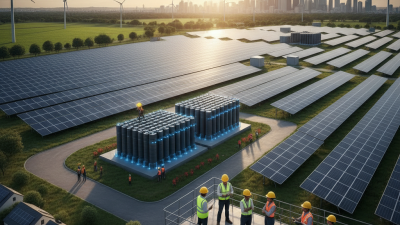
Battery storage technology has also advanced. Cutting-edge lithium-ion batteries now provide greater energy storage capacity and longer lifespans. The National Renewable Energy Laboratory reports that these batteries can retain up to 80% of their original capacity after a decade, a crucial factor for many homeowners. This innovation makes it possible to harness solar energy even on cloudy days or during nighttime.
Yet, challenges remain in the solar market. Initial installation costs can still be daunting for some homeowners. Additionally, proper maintenance is essential for optimal performance. Some may find the technology overwhelming, which could hinder broader adoption. The transition to solar requires ongoing education and awareness to maximize its potential benefits.
Challenges and Considerations in Adopting Solar Energy Solutions
Adopting solar energy solutions presents various challenges that need careful consideration. One primary concern is the initial investment. According to the National Renewable Energy Laboratory, the average cost of a residential solar system can range from $15,000 to $25,000. This financial barrier discourages many homeowners from considering solar energy. Additionally, the payback period can span 5 to 10 years, depending on individual circumstances.
Another significant factor is the variability of sunlight. In areas with less sunlight, energy generation may be inconsistent. The Solar Energy Industries Association states that solar panels produce 20-30% less energy in cloudy conditions. Homeowners must weigh the amount of sunlight their location receives against the potential energy savings. Storage options, such as batteries, help, but they also add to costs and complexity.
Maintenance is another aspect that requires attention. Solar panels are generally low maintenance, but performance issues can arise. Cleaning is necessary to prevent dirt buildup. Moreover, some systems may require professional inspections to ensure efficiency. Homeowners should have realistic expectations about maintenance demands. Overlooking these factors can lead to frustration and unmet energy goals.