Who Are the Best Home Solar Power System Suppliers in China
China’s solar industry has become difficult for home buyers to overlook. The National Energy Administration reported 887 gigawatts of installed solar capacity by the end of 2024, following approximately 277 gigawatts of additions that year. The International Energy Agency’s Renewables 2024 report forecasts nearly 5,500 gigawatts of global renewable capacity growth from 2024 to 2030, with solar photovoltaics expected to provide almost 80 percent. The direction is clear. Choosing a supplier is less simple.
IEA Executive Director Fatih Birol called solar “the new king of electricity” in the agency’s World Energy Outlook 2020. For households, though, a system is more than panels. Inverters, batteries, mounting hardware, warranties, and after-sales support all affect performance. A neat rooftop installation can still disappoint if components are poorly matched or service is hard to reach.
This guide examines Chinese home solar power system suppliers through practical criteria: product range, manufacturing experience, certifications, warranty terms, and export support. Buyers should request model-specific test documents and written warranty conditions, not rely on broad marketing claims. Still, a large factory is no guarantee of a good household system. Roof shape, shading, local climate, and installer skill matter. That part is easy to underestimate. The best supplier is not automatically the biggest; it is the one whose equipment and support fit the home, the budget, and the people who will maintain it.
How China Became a Solar Leader with Over 80% of Global PV Manufacturing
China’s solar leadership comes from a tightly connected manufacturing network, not one isolated factory. The IEA’s 2022 report, Solar PV Global Supply Chains, found China held more than 80% of global manufacturing capacity at each key stage, from polysilicon to finished modules. Its share of wafer capacity was even higher. Suppliers benefit from nearby processing, equipment, and skilled labor. That proximity can shorten production cycles.
The scale is substantial. IRENA’s Renewable Capacity Statistics 2024 records roughly 217 gigawatts of solar capacity added in China during 2023. But manufacturing share and product quality are different measures. I would not treat the headline figure as a quality score. For a home system, ask suppliers for module test certificates, warranty terms, and clear documentation of inverter compatibility. Check whether quoted output assumptions match your roof’s shade, orientation, and local weather. Small details matter. A large supply base can offer choice and competitive pricing, yet buyers still need to compare traceability and after-sales support. Those checks are less exciting than a factory-scale statistic, but they make the statistic useful.
How to Evaluate Suppliers Across Modules, Inverters, Batteries, and Service
China’s solar suppliers should be compared as complete system partners, not by module price alone. IEA PVPS reported more than 1.6 terawatts of cumulative global photovoltaic capacity by the end of 2023, making quality control and traceable documentation essential. Ask for independent module test reports, production-lot traceability, and written degradation and product warranties. A certificate is useful, but it does not show how a supplier handles a damaged shipment.
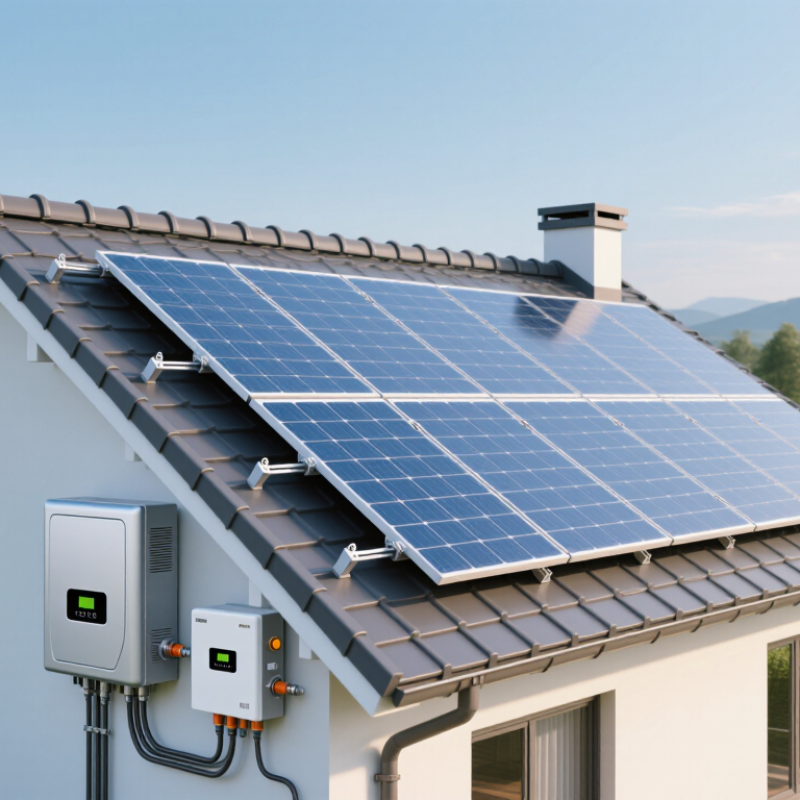
For inverters, check efficiency curves, surge capacity, monitoring access, and compatibility with local grid settings. For batteries, compare usable capacity, round-trip efficiency, operating temperature, cycle-life conditions, and battery-management protections. BloombergNEF’s 2024 Battery Price Survey put average lithium-ion pack prices at $115 per kilowatt-hour, 20% below 2023. That matters, but pack prices are not installed-system prices; compare full quotations, including controls, shipping, and commissioning. Service is easier to overlook. Ask who answers faults, how quickly, and whether replacement parts are held locally. Request a sample monitoring report and a clear escalation path. A neat spreadsheet can still hide a weak service promise. Get it in writing.
Who Are the Best Home Solar Power System Suppliers in China?
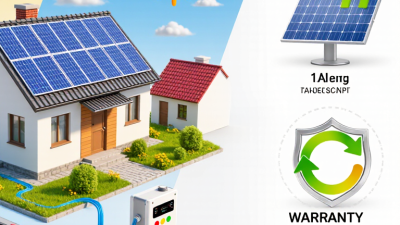
Compare suppliers across modules, inverters, batteries, and service—not just headline price. Warranty coverage is one useful starting point.
Indicative commonly advertised warranty ranges in years; actual terms vary by product, market, and contract. Check exclusions, performance guarantees, battery cycle or throughput limits, claim procedures, and service response commitments before choosing a supplier.
Leading Chinese Home Solar Brands: Jinko, LONGi, Huawei, Sungrow, and Deye
Among China’s major home solar suppliers, strengths vary across panels, inverters, batteries, and system controls. Some manufacturers focus on high-output modules that suit roofs with limited space. Others offer integrated inverters and monitoring tools, making it easier to track daily production on a phone. A useful comparison starts with the home itself: roof direction, shade from nearby trees, and evening electricity use all affect system design. Small details matter.
For a household planning battery backup, check whether the inverter supports the chosen battery and how the system behaves during an outage. Ask for written estimates of annual output, equipment coverage, and expected maintenance. A clear installer proposal should identify panel placement and explain how shading was assessed, not just show a large savings figure. No supplier fits every roof. I would not treat product rankings as a perfect comparison; installation quality and local service can change the real-world result. Before choosing, compare service response times and confirm who handles warranty claims if the installer changes. A neat app is useful, but it cannot fix a poorly designed array.
Key Benchmarks: 20–23% Module Efficiency and 97–99% Inverter Efficiency
Who Are the Best Home Solar Power System Suppliers in China
Key Benchmarks: 20–23% Module Efficiency and 97–99% Inverter Efficiency
When comparing home solar suppliers in China, treat efficiency figures as useful benchmarks, not guarantees of output. Modules rated at 20–23% convert a strong share of sunlight into electricity under standard test conditions. On a roof, shade, heat, dust, and panel direction can change results. Ask for the module datasheet, temperature coefficient, and expected annual degradation. These details help explain performance beyond a headline percentage.
Tips: Compare inverter efficiency at its stated operating range, not only its peak figure. A 97–99% rating describes conversion efficiency under specified conditions; it does not mean the whole system loses only one to three percent. Check whether the quote identifies the inverter model, warranty period, and monitoring features. Small print matters.
A careful supplier should explain assumptions behind its production estimate and show how equipment will work together. Ask how the system handles partial shade, roof constraints, and periods of low sunlight. Compare written warranties and service arrangements, too. I would not choose a supplier on efficiency alone; real rooftops are messier than spreadsheets. Even excellent equipment can disappoint if sizing, installation, or after-sales support is weak. Request a clear system design and a written explanation of expected performance before comparing final quotes.
How to Check Certifications, Warranties, and Local Support Before Buying
Who Are the Best Home Solar Power System Suppliers in China
How to Check Certifications, Warranties, and Local Support Before Buying
A reliable supplier should provide certificates and test reports for the exact inverter, modules, and battery models in your quote. Check model numbers, issuing organizations, validity dates, and whether the documents cover your intended market. A certificate for a similar product is not enough. Ask for copies you can verify with the issuing body. Grid connection requirements also vary by location, so confirm compatibility with your local installer or utility before paying a deposit.
Read warranty terms carefully. Separate product coverage from performance guarantees, and check who handles labor, shipping, and replacement parts. Look for exclusions related to installation, temperature, or battery cycling. A long warranty can sound reassuring, but its value depends on the claim process. Ask how claims are submitted and where service is provided. Keep the answers in writing.
Tips: Request a sample warranty claim procedure and the address of the local service center. Ask how quickly common replacement parts can arrive. Check references from nearby customers, if available. I would not rely on a polished brochure alone; it is easy to overlook small details, and some questions may remain unanswered until installation.