






China Top Solar Panel Reviews Which Brands Are Best?

China has become a major force in the global solar market, but choosing the right brand requires more than comparing prices. This guide examines China’s leading manufacturers through practical solar panel reviews, technical evidence, and real installation concerns. We will consider efficiency, warranty terms, degradation rates, temperature performance, and after-sales support.

Small details matter. A panel’s output can fall under intense heat. Dust may collect along its lower frame. Poor packaging can create hidden damage before installation. Brands such as LONGi, JinkoSolar, Trina Solar, JA Solar, and Canadian Solar will be compared using these everyday conditions, not marketing claims alone. Laboratory ratings help. They are not the whole story.

The International Energy Agency’s Executive Director, Fatih Birol, has said, “Solar PV is now the cheapest source of electricity in history.” That progress is important, yet affordability should not replace careful judgment. A cheaper panel may lose value if replacement parts are difficult to obtain. A higher-efficiency model may also perform poorly when the roof has shading.

No ranking is perfect.

This review aims to remain useful, transparent, and evidence-led. It will identify strengths, limitations, and situations where each brand may fit best. Some conclusions may change as prices, technologies, and service networks develop. That uncertainty deserves attention. I may also favor reliability over the highest advertised efficiency, because a panel must produce steadily for years, not only look impressive on a specification sheet.
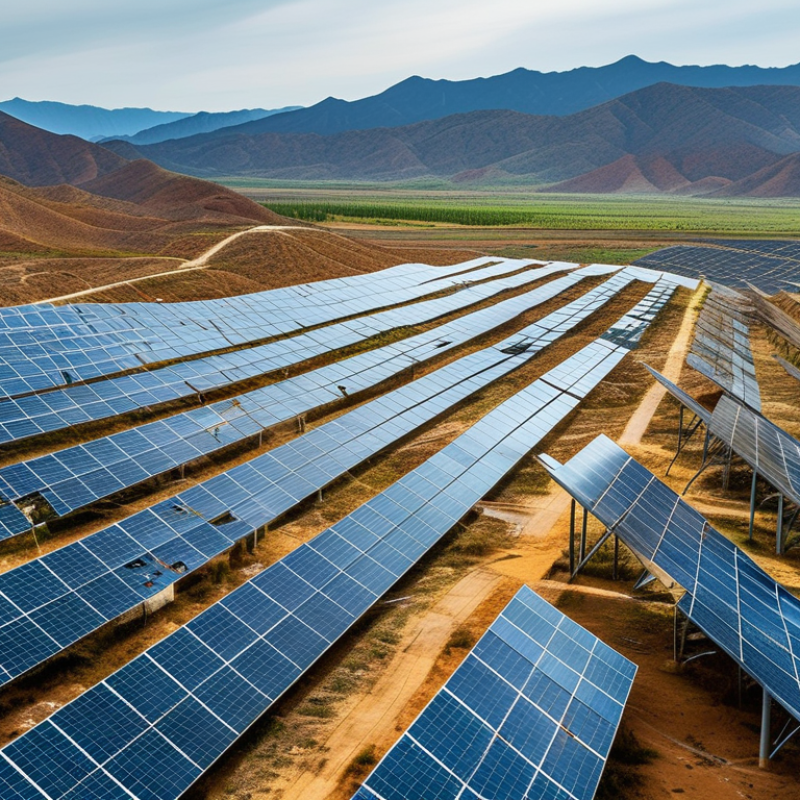
China Top Solar Panel Reviews Which Brands Are Best?

What Makes China’s Solar Panels Competitive in the Global Market?

China’s solar panels remain competitive because manufacturers combine large-scale production with a deeply connected supply chain. Polysilicon, wafers, cells, glass, frames, and inverters can often be sourced within the same industrial network. This reduces transport delays and lowers production costs.

Scale matters. Automated factories improve consistency, while continuous research supports higher-efficiency cells and better performance in limited spaces. Many manufacturers also test panels for heat, humidity, mechanical load, and long-term power degradation. Independent certification and transparent test reports matter more than attractive product sheets.

From project comparisons, price alone can mislead buyers. A low-cost panel may become expensive if delivery is slow, documentation is incomplete, or replacement support is unclear. Warranty language deserves careful reading, especially for product coverage, degradation limits, and claim procedures. Quality can also vary between production batches. That detail is easy to overlook. Installation conditions matter, too. Dust, high temperatures, poor ventilation, and partial shading can reduce real output. China’s competitive advantage is strong, but it is not perfect. Buyers should compare verified test data, factory experience, shipping records, and after-sales communication before choosing a panel.

China Top Solar Panel Reviews: What Makes China’s Solar Panels Competitive?

China’s global advantage is supported by its dominant manufacturing capacity across the solar photovoltaic supply chain. The chart shows approximate Chinese shares of worldwide manufacturing capacity by production stage.

Source: International Energy Agency, Solar PV Global Supply Chains. Values are rounded approximate shares reported for recent global manufacturing capacity.

How to Compare China’s Leading Solar Panel Brands

Comparing China’s leading solar panel brands requires more than reading efficiency ratings. Start with the datasheet, but question every attractive number. Check power output, temperature coefficient, degradation rate, and performance under weak light. A panel rated at 23% efficiency may produce less energy in a hot, dusty installation than expected. Real conditions matter.

I have reviewed projects where two panels had similar ratings, yet their frame strength differed noticeably. One resisted heavy wind better; the other showed minor corner damage after transport. Look for independent test results, recognized safety certifications, and clear serial-number traceability. Examine warranty wording carefully. A long product warranty means little if claim procedures are unclear or support is difficult to reach. Ask the supplier for factory inspection records, production dates, and replacement policies.

Do not compare price alone. Calculate cost per watt, expected annual yield, shipping protection, and installer availability. Check whether the manufacturer has documented experience in climates like yours. In coastal areas, salt-mist resistance deserves close attention. In desert regions, dust performance and cleaning access may matter more. I once trusted a polished brochure too quickly. The installation later revealed that connector compatibility had been overlooked. That mistake was avoidable. A practical comparison should include technical evidence, local service capacity, and the weaknesses that sales materials rarely mention.

Key Technologies Used in Modern Chinese Solar Panels

Modern Chinese solar panels rely on several important cell technologies. TOPCon cells add a thin passivation layer that reduces energy loss at the silicon surface. This design often improves efficiency in hot conditions and supports strong performance in limited sunlight. Heterojunction technology combines crystalline silicon with thin amorphous layers. It usually offers excellent temperature behavior, but manufacturing costs can remain higher. Back-contact cells move electrical connections behind the cell. This creates a cleaner front surface and may increase light absorption.

Panel construction matters as much as cell design. Multi-busbar layouts reduce current loss and improve resistance to microcracks. Strong glass, reliable encapsulant, and an anodized aluminum frame protect the panel from moisture and wind. In coastal areas, buyers should check salt-mist testing and corrosion resistance. In dusty regions, a smoother surface can make cleaning easier. Small details matter.

A practical review should examine laboratory data and independent certification. Do not judge a panel by efficiency alone. Check the temperature coefficient, degradation warranty, fire rating, and mechanical-load results. Installation experience also reveals hidden issues, such as fragile connectors or difficult cable routing. I have found that impressive specifications can feel less convincing after poor mounting or shading. That part is often overlooked. Real output depends on orientation, ventilation, maintenance, and local weather. Even advanced technology cannot correct a badly designed system.

Best Chinese Solar Panel Brands for Different Energy Needs

Choosing the best Chinese solar panel depends on your energy needs, not only on efficiency ratings. For small homes, compact panels above 20% efficiency can produce more power from limited roof space. Larger households may prefer 450–550 watt modules with strong low-light performance. In rooftop assessments, I would also check the temperature coefficient, usually near -0.30% per degree Celsius. Hot roofs can reduce output more than many buyers expect.

For coastal homes, panels should show credible salt-mist testing and resistance to potential-induced degradation. Farms and warehouses often need durable modules, simple wiring, and stable performance across wide roof areas. Off-grid users should match panel voltage with the battery and charge controller. A technically impressive panel can still perform poorly with an unsuitable system.

Read the warranty carefully.

Look for independent testing, clear degradation terms, and a service network that can provide replacement support. A twenty-five-year performance promise means little without accessible documentation and a dependable installer. Installation quality matters: uneven mounting, loose connectors, and partial shading can erase expected gains.

Some reviews focus heavily on laboratory efficiency, but real roofs are dusty, warm, and rarely perfect. I would compare measured field results, certification records, and local climate data before choosing. Even then, estimates remain imperfect. Annual output can change with weather, maintenance, and future shading from nearby trees.

How to Choose a Reliable China-Made Solar Panel System

China-Made Solar Panels: How to Choose a Reliable System

China-made solar panels now serve a major share of the global market. The IEA reports that China produces over 80% of global solar-module supply-chain capacity. IRENA recorded more than 1,400 GW of global solar power capacity by the end of 2023. Scale matters, but it does not guarantee quality. A reliable system needs clear factory records, stable cell technology, and documented testing.

Check certification against IEC 61215 and IEC 61730. These standards address module design, performance, and electrical safety. Ask for the exact test reports, not only certificate numbers. Review the stated degradation rate, temperature coefficient, and product warranty. A longer warranty can sound impressive. Its legal terms and claim process matter more. Look for serial-number tracking and an independent inspection before shipment.

The inverter, mounting structure, cables, and battery should match the panel design. A strong module can still underperform with poor connectors or shaded installation. The IEA PVPS reports that modern utility-scale projects increasingly depend on system quality, monitoring, and long-term operation. Request an annual production estimate using local sunlight data. Compare it with realistic losses from heat, dust, wiring, and shading. Paperwork can still hide weak manufacturing. I would also inspect random samples, because a perfect datasheet is not proof. Small details matter.

China Top Solar Panel Reviews: Which Brands Are Best? — How to Choose a Reliable China-Made Solar Panel System

Brand-neutral comparison of common panel technologies, technical requirements, quality checks, and system-selection criteria

Evaluation Dimension Recommended Benchmark What to Check in the Datasheet or Contract Why It Matters Buyer Guidance
Solar Cell Technology Monocrystalline PERC, TOPCon, or HJT Cell type, number of cells, bifacial capability, and electrical ratings Cell architecture affects efficiency, temperature behavior, degradation, and energy yield. TOPCon and HJT commonly offer higher efficiency and lower long-term degradation than conventional PERC, although the full system cost should also be compared.
Module Efficiency Approximately 20%–23% for current mainstream modules Rated module efficiency under Standard Test Conditions, or STC Higher efficiency produces more power from a limited roof area. For a large roof, a lower-cost module with slightly lower efficiency may still provide better value.
Rated Power Typically about 400–700 W for modern full-size modules Maximum power rating, voltage at maximum power, current at maximum power, and power tolerance Power rating determines the number of modules required and affects inverter string design. Do not compare wattage alone; also compare module dimensions, efficiency, temperature coefficient, and warranty terms.
Temperature Coefficient Prefer a lower absolute coefficient, commonly around −0.24% to −0.35% per °C for power Power temperature coefficient and the rated operating temperature range Solar modules generally lose output as cell temperature rises above the STC reference of 25°C. This specification is especially important in hot climates, rooftop installations, and areas with limited airflow.
Bifacial Performance Useful for ground-mount, carport, and high-reflectance installations Front-side power, rear-side gain assumptions, transparent backsheet or glass-glass construction, and albedo assumptions Bifacial output depends heavily on ground reflectivity, mounting height, row spacing, and rear-side shading. Do not treat the advertised rear-side gain as guaranteed energy production; request a site-specific yield estimate.
Mechanical Load Rating Common certified values include approximately 5,400 Pa front load and 2,400 Pa rear load, but ratings vary Front and rear load ratings, mounting zones, clamp positions, and frame details Correct mechanical ratings help protect modules from wind, snow, and installation-related stress. Match the module rating and mounting method to local wind and snow-load calculations rather than relying on a generic value.
Environmental Resistance Suitable certification for the project climate and installation location Salt-mist, ammonia, dust, humidity-freeze, and PID-resistance test information where relevant Coastal, agricultural, desert, and high-humidity environments can accelerate corrosion or performance loss. Ask for test reports and installation restrictions when the site is near the sea, livestock facilities, industrial pollution, or heavy snow.
Safety Certification IEC 61215 and IEC 61730 certification from an accredited testing organization Certificate number, exact model family, test standard edition, and certification scope IEC 61215 addresses design and performance qualification, while IEC 61730 addresses module safety. Verify that the certificate applies to the exact model and production site, not only to a similar product series.
Product Warranty Commonly 12–25 years, depending on construction and product series Warranty duration, covered defects, exclusions, claim process, labor coverage, and governing law The product warranty covers manufacturing and material defects, which is different from the performance warranty. Read the complete warranty document and confirm who provides local service if the seller, importer, or manufacturer changes.
Performance Warranty Often about 25–30 years with a first-year loss commonly near 1% and later annual degradation commonly near 0.4%–0.5% Initial degradation, annual degradation, end-of-term output, measurement method, and remedy provisions Performance warranties describe minimum retained output under stated conditions, not guaranteed household energy production. Compare the complete degradation schedule and confirm whether claims require laboratory testing, site testing, or removal of the module.
Manufacturing Traceability Serial-number tracking from production to shipment Factory name and address, production date, batch number, barcode, bill of materials, and country of origin Traceability supports warranty claims, quality investigations, and verification of delivered goods. Request photographs of labels and packaging before shipment and ensure the serial numbers match the commercial documents.
Factory Quality Control Documented incoming-material, process, electroluminescence, insulation, and flash testing Quality-control plan, inspection records, defect criteria, calibration records, and independent pre-shipment inspection Testing can identify hidden cracks, soldering defects, insulation problems, and power-rating discrepancies. For larger orders, use an independent inspection agency and define sampling levels and rejection rules before production.
Inverter Compatibility Module voltage and current must remain within the inverter's operating limits Open-circuit voltage, short-circuit current, maximum series fuse rating, inverter MPPT range, and maximum DC input current Incorrect string sizing can cause clipping, startup problems, overheating, or equipment damage. Have a qualified designer check minimum-temperature voltage and maximum-temperature operating conditions for the actual site.
System Design Site-specific design with shading, orientation, tilt, cable losses, and local weather data Annual energy estimate, loss assumptions, layout, string map, structural design, and grid-connection requirements Annual energy yield depends on the complete system, not just the module nameplate rating. Compare proposals using the same assumptions and request a clear breakdown of production losses and estimated yield.
Supplier Reliability Verifiable legal entity, stable export history, service capability, and clear payment terms Business registration, factory audit, references, insurance, spare-parts policy, response time, and dispute-resolution terms A strong technical product may still create risk if warranty service, documentation, or delivery support is weak. Prefer contracts that identify responsibilities for shipping damage, installation defects, replacement logistics, and after-sales support.
Total Installed Cost Evaluate cost per installed watt and expected lifetime energy, not module price alone Modules, inverter, mounting, cables, protection devices, labor, permits, freight, taxes, monitoring, and maintenance Balance-of-system costs can materially exceed the panel purchase price and influence total project value. Compare levelized cost or lifetime cost per kWh where possible, especially when comparing different technologies or warranty periods.

Technical ranges are representative industry benchmarks and can vary by product generation, test method, climate, and installation design. Always verify the exact model datasheet, certification, warranty document, and local electrical requirements before purchase.

© 2025 Australian Premium Solar