






Why Choose Professional Solar Power Installation?

Choosing professional solar power installation is about more than placing panels on a roof. It is about turning sunlight into dependable electricity, safely and efficiently. IRENA’s Renewable Capacity Statistics 2024 reported that solar power added approximately 346 gigawatts globally in 2023. That represented nearly 73% of new renewable capacity. The market is expanding quickly. Quality control matters more than ever.

A trained installer checks roof structure, shading, wiring routes, inverter capacity, and local electrical requirements before work begins. On a real site, this may mean identifying a cracked tile, measuring afternoon shade, or correcting an undersized cable. These details affect energy production and long-term safety. The International Energy Agency’s Renewables 2024 report also expects solar photovoltaic systems to drive most new renewable capacity through 2030.

Abigail Ross Hopper, president and CEO of the Solar Energy Industries Association, said, “Solar is the fastest-growing source of energy in the United States.” Her statement reflects strong industry momentum, but growth alone does not guarantee a good installation. Panels can still underperform when designs ignore ventilation, maintenance access, or seasonal shadows.

Professional solar power installation provides documented design decisions, verified equipment, and experienced workmanship. It can also simplify inspections, warranties, and future repairs. Yet homeowners should remain cautious. Not every contractor offers the same expertise. Compare licenses, insurance, project references, equipment specifications, and written production estimates. Ask difficult questions.

That step may feel slow. It is often worthwhile.
Why Choose Professional Solar Power Installation?

Professional Solar Power Installation: Definition and Scope

Professional solar power installation is the planned design, assembly, testing, and maintenance of a solar energy system. It covers more than placing panels on a roof. A professional assessment examines roof condition, local sunlight, electrical capacity, shading, wind exposure, and household energy use. The installer then selects suitable panel placement, wiring routes, protective equipment, and energy storage options.

The scope also includes structural checks, electrical connections, safety controls, permits, inspections, and grid coordination where required. Installers should document cable paths and label shutoff points clearly. On site, careful teams check mounting torque, grounding, waterproof seals, and inverter settings. They test the system before activation and explain monitoring procedures to the owner. Small details matter.

A reliable installation includes follow-up service and performance checks. Solar production may change with dust, snow, seasonal sunlight, or nearby construction. Shading can reduce output sharply. Field inspections often reveal issues that remote estimates miss. The process is not flawless. Even careful forecasts can overestimate production when weather patterns shift. That uncertainty should appear in the project discussion, not remain hidden in fine print. Homeowners should receive realistic energy estimates, maintenance guidance, warranty information, and clear answers about future repairs. Professional work is visible in the documentation, the safety checks, and the practical explanation provided after the system starts operating.

How Professional Installers Assess a Property’s Solar Potential

Professional solar installation begins with a careful assessment, not a quick look at the roof. Experienced installers inspect roof pitch, surface condition, age, and available space. They note vents, chimneys, skylights, and nearby trees that may cast moving shadows. Small shadows can reduce production more than many homeowners expect.

On site, technicians measure the roof and study local sunlight patterns across the year. They may use digital modeling, shade readings, and historical weather data to estimate output. The assessment also considers household electricity use, service-panel capacity, wiring routes, and local permitting requirements. A professional should explain assumptions clearly, including seasonal changes and maintenance access. Numbers without context are not very useful.

The inspection can reveal practical issues before installation begins. A weak roof section may need repair, while an overloaded electrical panel may require an upgrade. These findings can change the original proposal. That is not a failure; it is part of responsible planning. Still, assessments are not perfect. Tree growth, dust, unusual weather, and future energy habits can affect results. Honest installers identify these limits instead of promising exact savings. Ask for a written site report, production estimate, equipment layout, and clear explanation of safety checks before work begins.

The Main Stages of a Professional Solar Installation

Why Choose Professional Solar Power Installation?

The Main Stages of a Professional Solar Installation

A professional installation begins with a detailed site assessment. Technicians inspect the roof, electrical panel, cable routes, and nearby shade. They may record roof angles and sunlight patterns at different times. This practical evidence supports a safer system design. A rushed inspection can miss morning shadows from a chimney.

The design stage matches panel placement, inverter capacity, battery needs, and household electricity use. Qualified installers also prepare required documents and coordinate local approvals. Before work begins, they explain expected output, safety limits, and maintenance access. Clear explanations matter because solar performance changes with weather and seasonal sunlight.

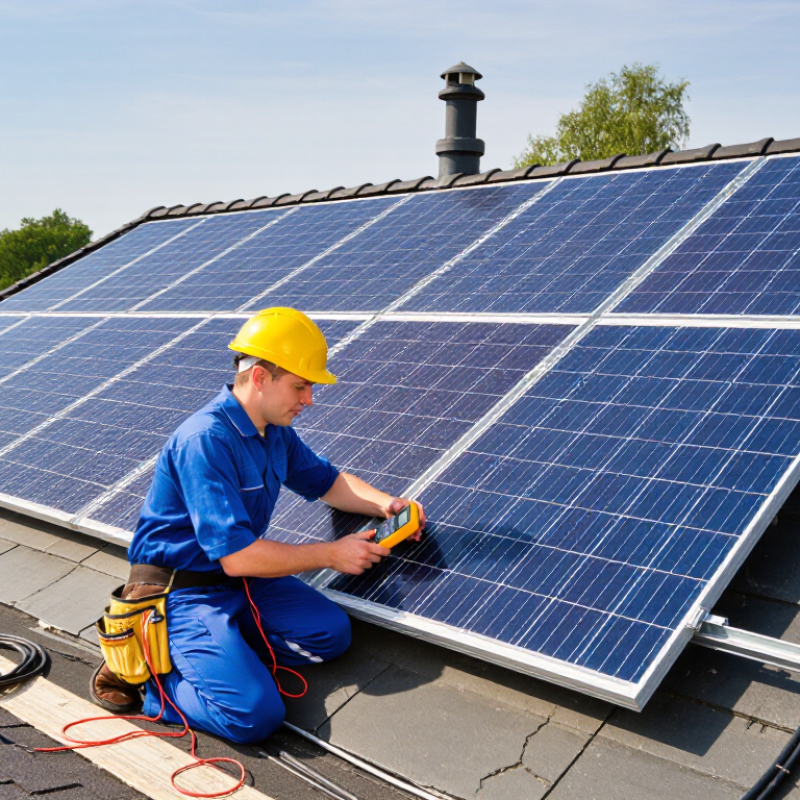
On installation day, workers secure mounting rails to suitable roof points. They seal penetrations carefully and protect cables from moisture and abrasion. Electricians then connect the panels, inverter, protective equipment, and monitoring system. Every connection should be tested before the system is energized. An independent inspection may follow, depending on local requirements. Commissioning includes checking voltage, grounding, shutdown controls, and real-time production data. Technicians should provide operating records and explain what unusual readings mean. Even experienced teams can make assumptions, especially around older wiring. A second inspection can expose details that the first review missed.

Why Choose Professional Solar Power Installation?

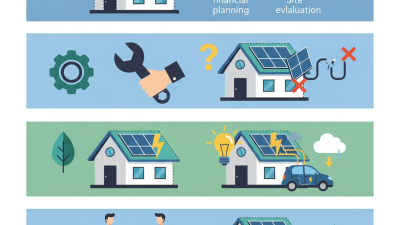
Professional installation follows a structured process that helps ensure system safety, code compliance, reliable performance, and a smoother grid-connection experience.

The chart shows indicative elapsed time in working days for a typical residential solar project. Actual schedules vary by system size, permitting requirements, utility procedures, weather, and site conditions.

Safety, Compliance, and System Quality Considerations

Professional solar installation is a safety decision, not merely a purchasing choice. A qualified installer checks roof structure, wind exposure, cable routes, grounding, and emergency access before mounting panels. Small errors matter. A loose connector can heat inside a rooftop junction box. Poorly sealed penetrations can invite water months later.

Compliance also protects system owners during inspection, maintenance, and emergencies. The design should follow applicable electrical, building, and fire codes, with permits, accurate labels, overcurrent protection, and required shutdown equipment. Professional teams document voltage calculations and equipment settings instead of relying on assumptions. This paperwork may feel excessive. It is often the clearest evidence of responsible work.

System quality depends on installation details and realistic performance expectations. The IEA PVPS Trends 2024 report recorded more than 400 GW of new solar capacity worldwide in 2023, showing how quickly deployment is expanding. However, rapid growth does not guarantee reliable workmanship. An NREL review of roughly 2,000 photovoltaic degradation rates reported a median decline of about 0.5% per year. Correct cable management, ventilation, torque control, and commissioning can help limit avoidable losses. Ask for test results, product documentation, maintenance access, and a monitoring plan. Even experienced contractors can miss something. Independent inspection remains sensible when the roof, wiring, or documentation seems uncertain.

Long-Term Benefits of Choosing Certified Solar Installers

Certified solar installers provide more than panels on a roof. They assess shading, roof condition, wiring, and local electrical requirements before installation. This inspection can prevent expensive problems hidden behind clean-looking equipment. Certified professionals also document cable routes, grounding points, and emergency shutoffs for future technicians.

Long-term performance depends on careful work. NREL’s Photovoltaic Degradation Rates report found a median degradation rate of about 0.5% annually. At that rate, a system could retain roughly 88% of its original output after 25 years. Poor mounting, loose connections, or water intrusion can reduce that result. Certification cannot prevent every storm. It does, however, create a clearer standard for design, testing, and accountability.

The IEA PVPS Trends report recorded more than 1.6 terawatts of global solar capacity by the end of 2023. As installations expand, quality control matters more. A certified installer should explain production estimates, maintenance needs, warranty conditions, and local inspection steps in plain language. Keep the documents.

Homeowners should still ask difficult questions. Who verifies the roof penetrations? Which measurements support the energy forecast? What happens if output falls sharply? Honest answers may reveal limits, not just benefits. That is useful. A professional installation is a long-term electrical project, not a weekend purchase.

Why Choose Professional Solar Power Installation? - Long-Term Benefits of Choosing Certified Solar Installers
Evaluation Dimension Typical Verified Benchmark Long-Term Benefit How Certified Installation Helps
Solar Module Service Life Modern crystalline-silicon modules commonly have an expected useful life of approximately 25–30 years. A properly designed system can provide dependable electricity production for decades. Qualified installers use suitable mounting methods, electrical connections, and installation practices that help protect modules from avoidable physical and environmental damage.
Annual Performance Degradation Crystalline-silicon modules commonly lose about 0.25%–0.50% of their output per year, depending on the product and conditions. Lower degradation helps preserve energy production and improve the system’s lifetime value. Professional designers can select appropriate equipment, account for shading and orientation, and reduce installation issues that may accelerate performance losses.
Inverter Replacement Planning String and hybrid inverters often have a shorter service life than solar modules, commonly around 10–15 years, although actual life varies. Advance planning reduces unexpected downtime and helps maintain system availability. Certified installers correctly size, configure, ventilate, and commission the inverter while documenting maintenance and replacement requirements.
Electrical Safety Solar photovoltaic systems involve direct-current and alternating-current circuits, energized conductors, overcurrent protection, and grounding requirements. Correct installation lowers the risk of shock, arc faults, equipment damage, and fire-related incidents. Trained professionals follow applicable electrical codes, use suitable protection devices, label circuits, and verify connections through testing and inspection.
Roof and Structural Integration Solar arrays add weight and introduce roof penetrations or attachment points that must be matched to the building structure and local weather conditions. Proper integration helps reduce the risk of leaks, structural stress, and premature roof maintenance. Professional installers assess roof condition, attachment locations, wind exposure, drainage, and waterproofing details before installation.
System Design Accuracy Energy yield depends on location, roof orientation, tilt, shading, temperature, system losses, and local solar resource. Accurate forecasting supports better financial planning and more realistic energy expectations. Certified professionals use site assessments, production modeling, shade analysis, and electrical design calculations rather than relying on panel quantity alone.
Permitting and Inspection Many jurisdictions require permits, electrical inspections, utility approval, or interconnection documentation before a system can operate. Proper approval helps prevent project delays, rework, and problems during property transfer or insurance review. Experienced installers prepare technical documents, coordinate inspections, and address code or utility requirements on the customer’s behalf.
Workmanship Protection Installation workmanship coverage varies by contractor and contract; periods of 5–10 years are commonly offered, but terms must be verified in writing. Clear coverage can reduce the cost of correcting installation-related defects after project completion. Certified installers typically provide documented scope, warranty terms, commissioning records, and a defined process for service requests.
Monitoring and Commissioning Digital monitoring can track production, system status, alarms, and historical performance after commissioning. Early detection of underperformance can shorten repair times and reduce lost energy production. Professionals verify operating parameters, configure monitoring equipment, explain system alerts, and provide commissioning documentation.
Maintenance Requirements Solar photovoltaic systems generally require limited routine maintenance, although inspections, cleaning, vegetation control, and electrical checks may be needed depending on site conditions. Preventive care helps maintain output and identify damaged components before they cause larger failures. Installers can provide a site-specific maintenance schedule and identify access, drainage, ventilation, and cleaning requirements during the original design.

Note: Benchmarks are general industry ranges. Actual service life, performance, warranty coverage, permitting requirements, and maintenance needs vary by equipment, climate, building conditions, installation quality, and local regulations.

© 2025 Australian Premium Solar