







Top 10 Solar Applications You Should Know About?
The rise of solar energy has transformed various sectors, leading to innovative Solar Applications. According to the International Energy Agency (IEA), solar power could account for up to 25% of global electricity generation by 2026. This statistic exemplifies the growing reliance on solar energy, not only for residential use but also in commercial and industrial settings.
Solar Applications extend far beyond simple rooftop panels. They include utility-scale solar farms, solar water heating systems, and solar-powered vehicles. An industry report from Bloomberg New Energy Finance indicates that the global solar market is expected to grow significantly, with total investments projected to exceed $2.7 trillion by 2040. However, despite advancements, challenges in energy storage and grid integration persist, intersecting with the technological evolution of these applications.
Exploring the top Solar Applications reveals both progress and ongoing issues. While they offer potential for renewable energy, we must consider the environmental impact of manufacturing solar technology. The lifecycle of solar panels presents questions about sustainability and recycling. The future of Solar Applications relies on addressing these complexities to harness their full potential sustainably.
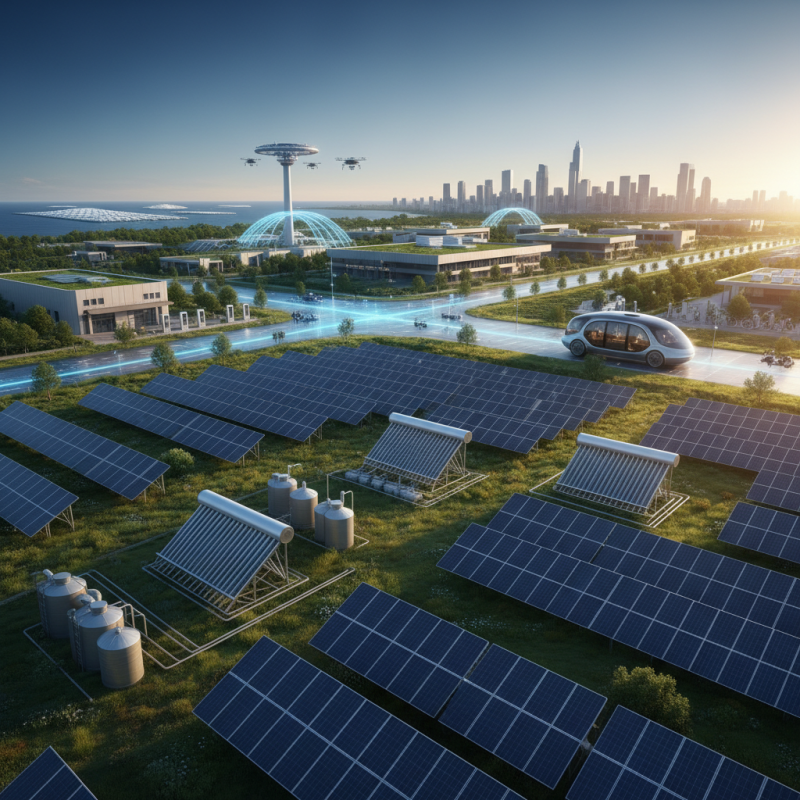
Table of Contents [Hide]
Innovative Solar Energy Solutions for Residential Use
Solar energy is transforming residential energy consumption. In 2022, solar panels accounted for 45% of new electricity generating capacity in the U.S. This trend highlights the growing appeal of renewable solutions. Homeowners are increasingly seeking energy independence and lower utility bills.
Innovative solutions like solar batteries are gaining traction. They allow homeowners to store excess energy generated during the day for nighttime use. A recent report from the International Energy Agency (IEA) revealed that solar-plus-storage systems can reduce monthly electric bills by 30-50%. However, the initial investment remains a challenge, leading to a need for public incentives and rebates.
Solar water heating systems are another effective application. These systems can supply up to 70% of a household's hot water needs. Many homeowners underestimate the potential savings. While the installation cost may deter some, the long-term benefits are significant. Overall, adopting solar technologies is a step toward sustainability and reduces carbon footprints. However, challenges remain in terms of affordability and accessibility for all households.
Top 10 Solar Applications You Should Know About
| Application | Description | Benefits | Estimated Savings (%) |
|---|---|---|---|
| Residential Solar Panels | Photovoltaic panels installed on rooftops. | Reduces electricity bills and carbon footprint. | 20-50% |
| Solar Water Heating | Uses solar energy for heating water. | Energy-efficient and cost-effective for hot water needs. | 40-60% |
| Solar Air Heating | Heats indoor air using solar collectors. | Improves heating efficiency during winters. | 30-50% |
| Solar Project in Agriculture | Solar panels used to power irrigation systems. | Reduces operational costs for farmers. | 25-40% |
| Solar Batteries | Storing solar energy for later use. | Provides backup power during outages. | Varies widely |
| Solar Lighting | Uses solar panels to power outdoor lights. | Eliminates need for wiring and reduces energy costs. | 30-70% |
| Solar-Powered Water Pumps | Pumps water using solar energy. | Ideal for remote locations without electricity. | 30-60% |
| Solar Greenhouses | Uses solar energy to maintain temperature and humidity. | Enhances growing conditions and sustainability. | Varies widely |
| Solar EV Charging Stations | Solar-powered stations for charging electric vehicles. | Promotes green transport solutions. | Varies widely |
© 2025 Australian Premium Solar