






China Top 10 Residential Solar Panel Manufacturers

Choosing residential solar panels involves more than comparing wattage or a glossy efficiency chart. The manufacturer behind each module can affect product reliability, tested performance, warranty support, and long-term value. China has a large and varied solar manufacturing sector, serving different budgets and project requirements. Still, a familiar brand name cannot guarantee a suitable rooftop system. Details matter. This guide introduces ten Chinese manufacturers relevant to residential projects and highlights factors worth checking before creating a shortlist. It is a starting point, not a universal ranking. The right choice depends on local climate, roof space, budget, and installer experience.

Compare current product data sheets, warranty terms, and performance information rather than relying on promotional claims alone. Check whether a model is available in your market and whether its certifications meet local project requirements. Ask how the module may perform in your roof’s conditions, including shade and seasonal temperature changes. A panel is only one part of the system; inverter selection, mounting, installation quality, and after-sales support also matter. Small print counts. Manufacturer details can change, and a published warranty does not explain every service scenario. That can be easy to overlook. Use this overview to ask better questions, then confirm product specifications and support arrangements with the manufacturer or a qualified installer before deciding.
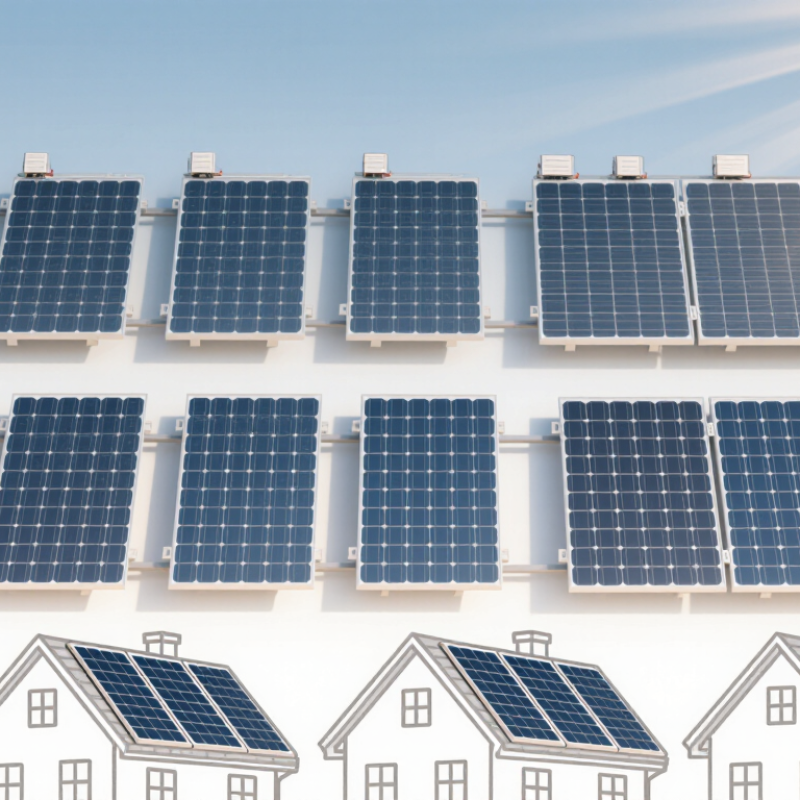
China Top 10 Residential Solar Panel Manufacturers

Residential Solar Panel Manufacturing in China: An Industry Overview

China’s residential solar manufacturing sector is built on a deep supply chain, from silicon processing and cell production to module assembly. The International Energy Agency reported in Solar PV Global Supply Chains (2022) that China held over 80% of global manufacturing capacity across key solar PV stages. This scale supports high output and fast product iteration. It does not guarantee consistent quality.

IEA PVPS estimated that global solar PV installations reached 447 GW in 2023 in its Snapshot of Global PV Markets 2024. That expanding market puts pressure on manufacturers to deliver reliable modules for varied rooftop conditions. Small roofs need careful module sizing. Partial shade, high summer temperatures, and limited roof access also affect system design. Buyers assessing suppliers can review independent test results, production traceability, warranty terms, and evidence of quality-control procedures. Factory capacity alone tells only part of the story.

One caveat matters. Industry figures often describe shipments or installed capacity, not long-term residential performance. A useful evaluation therefore looks beyond rated output and asks how modules perform under heat, moisture, and repeated power cycling. Those details are easy to overlook. The market’s scale is impressive, but dependable rooftop performance still depends on the product, installation, and local conditions.

Criteria for Selecting the Top 10 Manufacturers

A useful comparison of residential solar panel manufacturers should begin with verifiable performance, not polished brochures. Check independent test reports, rated output, temperature coefficients, and degradation figures. Ask whether reported results apply to the exact panel model being offered. Small differences matter on a hot roof, where heat can reduce output. That matters.

Manufacturing quality deserves close attention. Request details on incoming material checks, cell inspection, lamination controls, and final electrical testing. If possible, review a recent factory audit and trace a sample panel’s serial number through production records. Ask for written warranty terms, including product coverage and performance guarantees, and note who handles claims in your region. Ask for proof.

A strong manufacturer should also provide clear technical documents, realistic delivery schedules, and responsive after-sales support. Test the support process with a specific question about replacement panels or monitoring compatibility. A fast reply is useful, but a precise, documented answer is better. Rankings can still miss important differences: one supplier may perform well in testing yet offer limited local service. Compare evidence carefully, and record unresolved questions before choosing.

Profiles of China’s Top 10 Residential Solar Panel Manufacturers

Profiles of China’s Top 10 Residential Solar Panel Manufacturers

This guide examines ten Chinese manufacturers serving the residential solar market, without treating “top” as a guarantee of suitability. Each profile considers product range, manufacturing experience, quality controls, and support for overseas buyers. These details help homeowners and installers compare suppliers beyond headline efficiency figures. Small differences matter. Panel dimensions, connector compatibility, and low-light performance can affect a real rooftop installation.

The profiles also consider practical evidence: published product specifications, testing information, warranty terms, and the clarity of technical documents. A manufacturer may offer high-output panels, yet provide limited guidance on shading or installation constraints. That deserves attention. Some profiles may be easier to verify than others, and public information can change. A factory’s scale alone does not prove consistent performance. Buyers should check current documents and ask how warranty claims are handled in their region. Rooftops vary, too: a narrow roof with a chimney needs different planning from a clear, south-facing surface. These comparisons are useful, but they cannot replace a site assessment or independent technical review.

China’s Solar PV Manufacturing Landscape

China’s share of global solar PV manufacturing capacity by production stage, 2021

China held a substantial share of global capacity across the solar PV supply chain. These figures describe manufacturing capacity by production stage, not output or rankings of individual residential panel manufacturers.
Source: International Energy Agency, Special Report on Solar PV Global Supply Chains (2022; 2021 capacity data).

Comparing Product Types, Efficiency, and Warranties

For China’s leading residential solar manufacturers, compare module design before headline efficiency. PERC modules are established and often cost-conscious; TOPCon and heterojunction designs can offer higher power density, while bifacial modules suit roofs that reflect light. Fraunhofer ISE’s Photovoltaics Report (2024) tracks these silicon technologies and rising module efficiencies. A practical comparison should use rated watts per square metre, temperature coefficient, and performance under weak light—not efficiency alone. A narrow roof needs every watt. Shade can still hurt.

Warranty terms deserve equal scrutiny. Separate the product warranty, covering defects, from the performance warranty, which limits expected output decline. NREL researchers Jordan and Kurtz reviewed field studies and reported a median module degradation rate near 0.5% annually; this is a broad historical benchmark, not a promise for any current panel. Check the warranty’s stated annual loss, final-year output, exclusions, and who handles claims. A long warranty is only useful when its conditions are clear.

Tips: Request the exact datasheet and warranty document for each shortlisted model. Compare equal-size modules, and ask how rooftop shade affects expected annual production. Small detail, big difference. I’d also verify that quoted efficiency and warranty terms match the delivered product; sales sheets can be incomplete.

How to Assess Manufacturers for Residential Solar Projects

How to Assess Manufacturers for Residential Solar Projects

Choosing a residential solar manufacturer requires more than comparing panel wattage and warranty length. The IEA reported that China held over 80% of global solar manufacturing capacity across major supply-chain stages in 2021. Its 2022 supply-chain report put China’s share of wafer production above 95%. That concentration makes supplier traceability and backup production worth checking, not assuming.

Ask for independent test reports, factory audit records, and clear warranty exclusions. Check whether the stated power output matches the exact panel model offered. A long performance warranty is less useful if claims require unclear documentation or lengthy shipping. Small print matters. Request degradation figures and confirm how defects are handled in practice. I may be giving paperwork a lot of weight; it cannot replace evidence from installations operating through several seasons.

Project context matters too. A shaded roof, coastal air, or heavy snow can change which module characteristics matter most. IEA PVPS estimated that global solar capacity passed 1.6 terawatts by the end of 2023, with about 446 gigawatts added that year. Rapid growth is not proof of consistent quality. Compare sample test results with production specifications, and ask how the manufacturer controls changes between batches. A neat presentation can still leave gaps. Look for answers that are specific, verifiable, and relevant to the home’s actual conditions.

© 2025 Australian Premium Solar