







Choosing the right robot lithium battery is essential for optimal performance. With various options on the market, it can be overwhelming. Efficiency plays a crucial role in ensuring your robot operates smoothly.
Many factors influence battery choice. Capacity, weight, and discharge rate are key elements to consider. A high-capacity battery provides longer usage time, while a lightweight one enhances mobility. Discharge rates affect how quickly the battery depletes. Striking the right balance is vital.
However, it is not always straightforward. Budget constraints can limit options. Some batteries may offer high efficiency but cost more. Users must weigh performance against affordability. Choosing a robot lithium battery is not just a selection; it is a reflection of your priorities and needs. Being informed is vital.
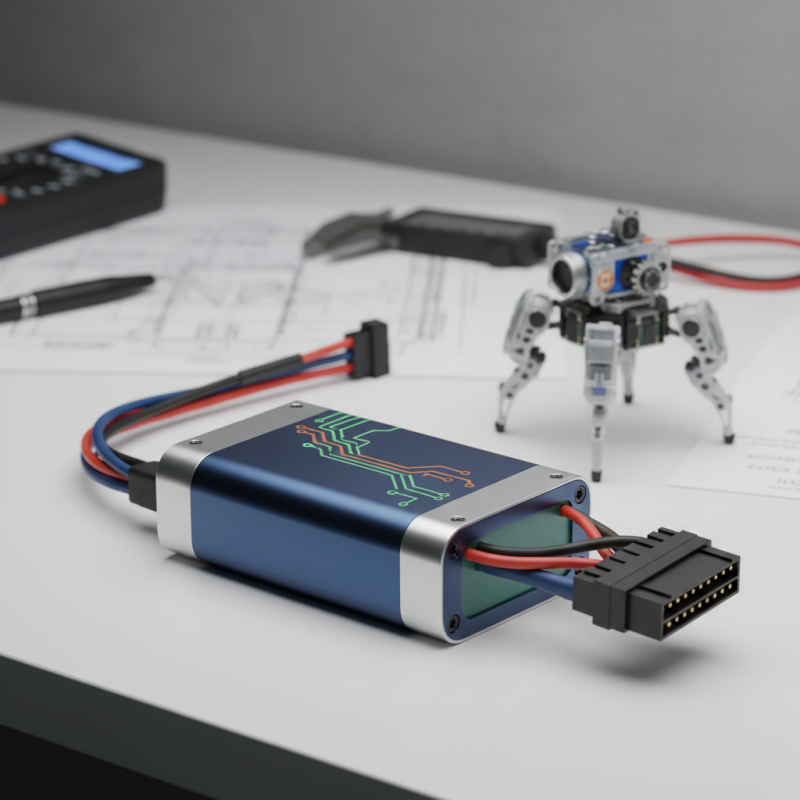
Lithium batteries have transformed the robotics landscape. Understanding their basic components is crucial for efficiency. Lithium-ion (Li-ion) batteries are favored for their high energy density. According to a 2022 report by IDTechEx, Li-ion batteries can provide up to 250 Wh/kg. This means they can store more energy in smaller spaces, vital for robotic applications.
When selecting a lithium battery, consider the discharge rate. A higher discharge rate allows for better power delivery. An ideal rate can enhance performance, especially during demanding tasks. Also, check the cycle life. Many lithium batteries offer over 500 charge cycles, translating to longer lifespans in robotics.
Tips: Focus on weight. Robots often need lightweight solutions for agility. Ensure the battery can maintain performance in various temperatures. A consistent output is key to stable operations. Lastly, pay attention to safety features. Overheating can lead to dangerous failures. Always choose batteries with built-in protections.
When choosing lithium batteries for robots, efficiency should be a top priority. Battery chemistry plays a crucial role. Different chemistries provide varying energy densities and discharge rates. A higher energy density means the robot can operate longer before needing a recharge. However, it's also important to consider weight. Lightweight batteries improve mobility, but often at the cost of capacity. Striking a balance is essential.
Temperature is another key factor. Batteries perform best within a specific temperature range. Extreme heat or cold can diminish efficiency and lifespan. Implementing cooling systems or insulation may be necessary. Additionally, charging practices affect battery health. Fast charging can be convenient but risks overheating. Regularly reflect on charging habits to optimize performance.
Lastly, look closely at battery management systems (BMS). A good BMS monitors voltage and temperature. It can prevent overcharging and maximize battery life. However, some systems can be overly complicated, leading to user errors. Ensuring your team understands the BMS is vital for maintaining efficiency. Think critically about these elements to make the best choice.
When selecting lithium batteries for robots, capacity and energy density are crucial factors. Battery capacity refers to how much electric charge a battery can store. It is typically measured in amp-hours (Ah). Higher capacity means longer operational time. However, it's essential to balance capacity with size and weight. Bulky batteries can hinder mobility and performance.
Energy density complements capacity. It determines how much energy a battery holds relative to its weight or volume. A higher energy density means the battery can power the robot longer without increasing its size. This is key in robotics, where space is limited. Nevertheless, batteries with high energy density can sometimes be more expensive or less available.
Choosing the right battery involves understanding trade-offs. You may choose a battery with high capacity but low energy density, or vice versa. Testing and evaluating different options in real-world scenarios is vital. Pay attention to how each battery type performs under various conditions. This allows for better decision-making tailored to specific robotic applications. Achieving optimal performance often requires experimentation and reflection on results.
When selecting lithium batteries for robots, safety should always be a priority. Statistics show that improper battery management can lead to significant hazards. In 2021 alone, there were over 1,300 reported lithium battery incidents, resulting in fires and explosions. Therefore, understanding the safety features of batteries is crucial.
Tip: Look for batteries with built-in protection circuitry. This feature helps prevent overcharging, which is one of the leading causes of battery failure. Also, ensure the battery has short-circuit protection. This minimizes the risk of fire, especially in high-demand applications.
Another key consideration is thermal management. Batteries can heat up rapidly under load. A report by the International Battery Association indicates that overheating remains a major concern, leading to decreased efficiency and lifespan. Failing to address heat can result in catastrophic failures in robotic systems.
Tip: Choose batteries designed for excellent thermal dissipation. They often come with advanced housing or heat-resistant materials. This focus on safety does not mean sacrificing performance. In fact, the wrong battery can hinder operation entirely. Always research and consider the specifications that align with your robotic applications. Proper choices matter.
Maintaining lithium batteries in robotics is vital for optimal performance. Regular maintenance can extend battery life significantly, which is crucial for efficient robotics operations. Data shows that well-maintained lithium batteries can last up to 30% longer than neglected ones.
One key tip for battery maintenance is optimizing charge cycles. Aim to recharge when the battery level drops to around 20%. Overcharging can lead to reduced battery capacity over time. Monitor temperature too. Extreme heat or cold can degrade battery performance. Ideal operating temperatures are between 20°C to 25°C.
Keep connections clean and secure. Dust and corrosion can impede performance. Also, be aware of the age of your batteries. Lifespan varies, but many batteries need replacement after two to three years. Tracking usage helps in planning replacements effectively. Ignoring battery health can lead to catastrophic failures, impacting your robot's functionality and reliability.
| Parameter | Value | Importance |
|---|---|---|
| Battery Type | Lithium-ion | High energy density |
| Voltage | 24V | Optimal for many robotics applications |
| Capacity | 10Ah | Suitable for operational time requirements |
| Charge Cycles | 500-2000 cycles | Long lifespan decreases total costs |
| Temperature Range | -20°C to 60°C | Ensures reliability in diverse environments |
| Weight | 2.5 kg | Lightweight enhances mobility |
| Safety Features | Overcharge protection | Essential for operational safety |
No, I will think about it in future.


