






The increasing necessity for solar installation among homeowners is evident. Recent reports show that residential solar power capacity has surged by over 30% in the last year alone. This trend reflects a growing recognition of the long-term benefits of solar energy. Many homeowners are driven by high electricity costs and the desire for energy independence.
Furthermore, a study by the Solar Energy Industries Association indicates that over 3 million homes in the U.S. now have solar panels. This adoption is attributed to falling costs and government incentives aimed at making solar more accessible. However, challenges remain. Some homeowners express concerns about installation costs and solar panel efficiency.
The need for education about solar installation is critical. Many people still lack awareness of the financial and environmental advantages. As the world moves toward sustainable living, understanding the importance of solar adoption is essential. It's not just a trend; it's a necessary step for future-proofing homes.

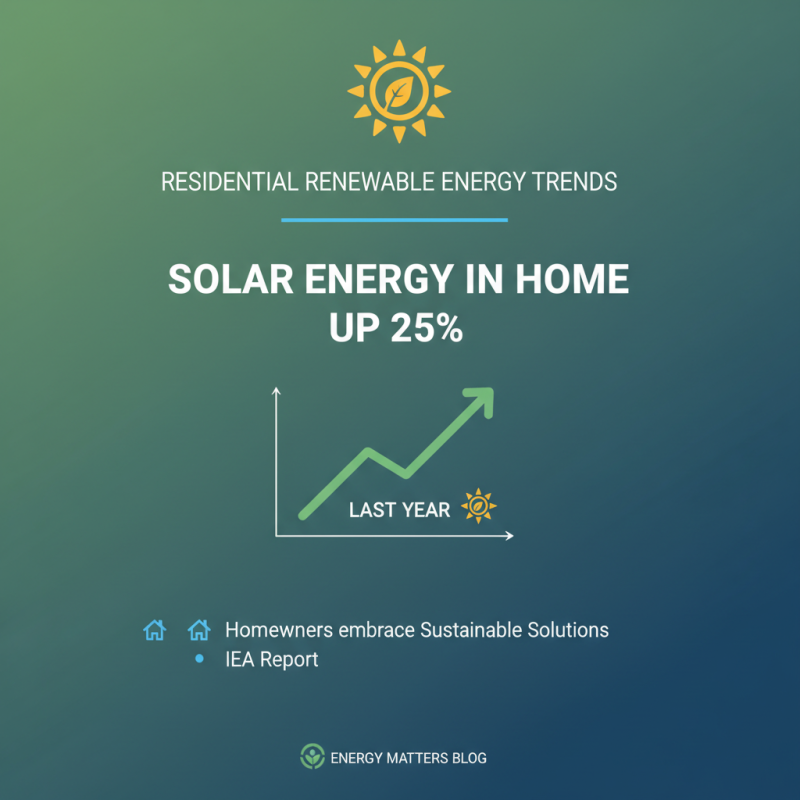
The residential sector is witnessing a significant shift towards renewable energy. A recent report from the International Energy Agency highlights that solar energy installations in homes increased by over 25% last year. This surge reflects homeowners' growing interest in sustainable solutions.
Many homeowners are attracted to solar energy due to rising electricity prices. In some areas, costs have soared by more than 15% in just a year. By investing in solar panels, homeowners aim to reduce long-term energy costs. However, the initial investment can be daunting; some may worry about the installation expenses and maintenance.
Moreover, government incentives remain a crucial part of the equation. Programs offering tax credits and rebates can reduce installation costs significantly. Yet, many homeowners are unaware of such benefits. This gap in knowledge can slow the adoption process. The shift to solar energy may be essential, but clarity and education are needed. Many potential adopters hesitate due to myths and misinformation about solar technology’s efficiency and lifespan.
Solar installation is becoming increasingly important for homeowners seeking financial relief. The initial investment may seem daunting, but the long-term savings are substantial. Homeowners can enjoy reduced electricity bills each month. In some regions, excess energy can even be sold back to the grid. This creates an additional revenue stream.
Tax incentives have also made solar more appealing. Many areas offer rebates and tax credits, helping to offset installation costs. Such incentives can reduce the financial burden and encourage more homeowners to make the switch. However, potential buyers must do their homework. Not everyone sees immediate savings due to various factors. The home’s location, available sunlight, and energy consumption patterns play crucial roles.
Beyond finances, solar energy contributes to environmental sustainability. Homeowners often report feeling good about reducing their carbon footprint. It allows residents to harness natural resources. However, the technology’s efficiency can vary, and some installations do not meet expectations. That can lead to frustration and disillusionment. It's crucial for homeowners to ensure they are well-informed before committing.
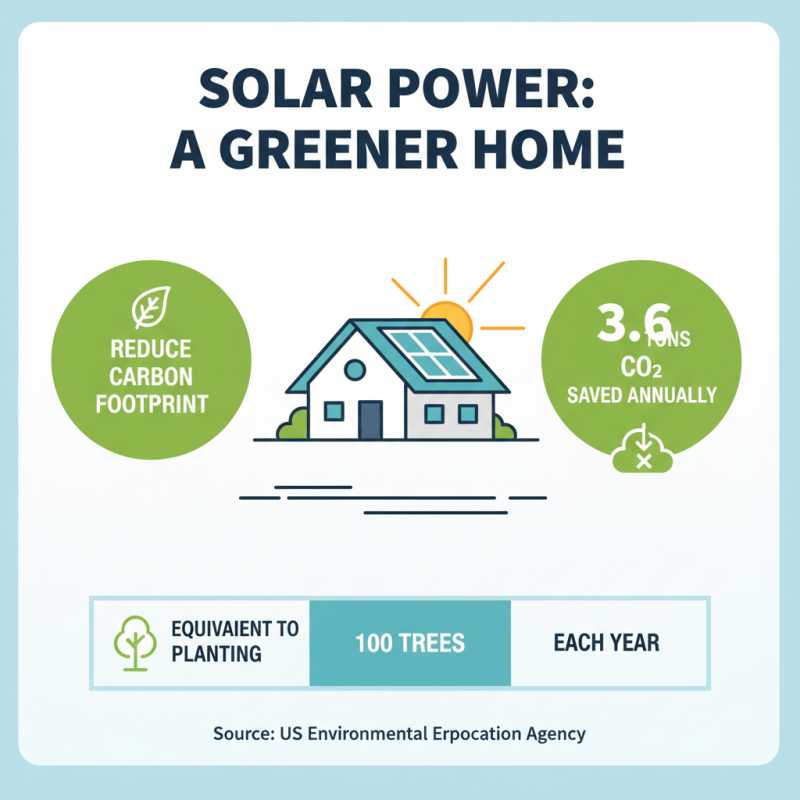
The environmental impact of solar power is significant. It offers a pathway for homeowners to reduce their carbon footprint. According to the U.S. Environmental Protection Agency, the average American household can reduce carbon dioxide emissions by about 3.6 tons annually. This reduction is equivalent to planting approximately 100 trees each year. By harnessing solar energy, homeowners contribute to combating climate change.
Investing in solar installation not only helps the planet but also brings financial benefits. Homeowners can save on energy bills and increase property value. A recent report by the National Renewable Energy Laboratory found that homes with solar panels sell for about 4% more than those without. This is a smart choice for those thinking long-term.
Tips: Consider local solar incentives. Many states offer tax credits or rebates that can lower installation costs. Research your energy consumption patterns. Understanding this can help in selecting the right solar system size. Solar technology continues to advance, making it essential to stay informed about new innovations. Remember, the decision to go solar is not just an investment in your home; it's an investment in the future of our planet.
Government incentives and tax credits play a vital role in solar energy adoption. Many homeowners are now taking advantage of various programs to reduce installation costs. This makes solar energy more accessible than ever. In some regions, tax credits can cover a significant percentage of installation expenses.
Local and federal governments often offer grants too. These can help homeowners save even more. For instance, a certain percentage of your payment might be returned via tax credits. It's not just about saving money; it’s about making eco-friendly choices. Some financial experts suggest homeowners should calculate the potential savings over time.
However, navigating these incentives can be tricky. Not all homeowners are aware of available options. Some might miss out on substantial savings because they do not research. Moreover, program details can change frequently. Keeping up with the latest information is essential. Homeowners should consult local resources to ensure they are getting the best benefits.
The rise of solar installation is linked to significant technological advancements. Today, solar panels are lighter and more efficient. Homeowners can now generate more energy with less roof space. This means smaller homes are also getting in on solar power. The efficiency rates of these systems have improved dramatically.
Moreover, advancements in battery storage technology have made solar energy more reliable. Homeowners can store excess energy generated during the day. This stored energy can power homes during cloudy days or at night. The integration of smart home technology is another plus. Smart systems optimize energy use, helping homeowners save even more.
However, not all solar installations are cut and dry. Some homeowners face challenges in finding the right system for their needs. The initial costs can still be a barrier. It's essential for homeowners to research and consider their options carefully. Each installation is unique, and what works for one may not work for another. So, weighing the pros and cons is necessary for making an informed decision.
| Dimension | Value |
|---|---|
| Average Installation Cost (USD) | $15,000 |
| Average Savings on Electricity per Year (USD) | $1,200 |
| Payback Period (Years) | 6-8 |
| Home Value Increase (%) | 4.1% |
| State with Highest Adoption Rate | California |
| Total Installed Solar Capacity in the USA (GW) | 130 GW |
| Projected Growth Rate by 2030 (%) | 20% |
No, I will think about it in future.