Why You Need a Solar Inverter for Your Business Needs?
In today’s energy-driven world, businesses require efficient power solutions. A solar inverter plays a crucial role in renewable energy systems. It converts solar energy into usable electricity, ensuring optimal performance for commercial needs.
Integrating a solar inverter can greatly reduce energy costs. This technology allows businesses to harness solar power and minimize their carbon footprint. Many companies still overlook the importance of solar inverters. They focus solely on solar panels and ignore the benefits of efficient energy conversion.
Not all solar inverters are created equal. Businesses need to assess their specific energy requirements carefully. Understanding the different types available can be challenging. An informed choice can lead to significant long-term savings and enhanced reliability. Investing in the right solar inverter is a step toward sustainable growth.
Understanding Solar Inverters: The Heart of Your Solar System
Understanding solar inverters is crucial as they are the heart of any solar energy system. A solar inverter converts direct current (DC) generated by solar panels into alternating current (AC), which is usable for your business. According to the Solar Energy Industries Association (SEIA), the United States saw a 42% increase in solar installation in 2021, highlighting the growing need for efficient solar inverters. Each inverter has its specifications, which can impact energy conversion rates and overall system performance.
Choosing the right inverter involves assessing your business's energy needs and consumption patterns. Many businesses exceed their energy demands during peak times, making string inverters less desirable. Alternatively, microinverters or power optimizers can enhance performance and provide greater flexibility. Data from the National Renewable Energy Laboratory (NREL) shows that systems with advanced inverters can improve energy yields by up to 20%.
Understanding the specifications is just as vital. Some businesses overlook this aspect, which can lead to underperformance. Regular monitoring and maintenance of your inverter can prevent potential issues and enhance longevity. A well-maintained inverter often provides warning signs of failure, allowing for proactive measures before significant downtime occurs. Always consult expert resources to ensure you are making informed choices about your solar energy system.
The Role of Solar Inverters in Maximizing Energy Efficiency
Solar inverters play a crucial role in maximizing energy efficiency for businesses. They convert direct current (DC) from solar panels into alternating current (AC), which is suitable for everyday use. According to the National Renewable Energy Laboratory, a well-functioning inverter can improve energy yield by up to 30%. This means a significant reduction in energy costs and a quicker return on investment.
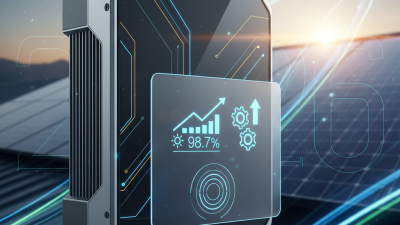
In addition, modern inverters come with smart technology features. They can monitor energy production in real-time. This capability ensures that businesses can optimize their energy consumption and identify potential issues. For instance, if an inverter detects a drop in energy output, it can alert maintenance teams quickly. Knowledge and engagement in these technologies can empower businesses to take action.
When considering solar inverters, choose quality over price. Not all inverters have the same efficiency ratings. Higher efficiency can mean a better payoff in the long run. Regularly assess the inverter's performance and check for updates. Reliable maintenance is essential for lasting benefits. Take time to research various options and their performance metrics. Make sure your choice aligns with your business goals and energy needs.
Types of Solar Inverters: Which One Is Right for Your Business?
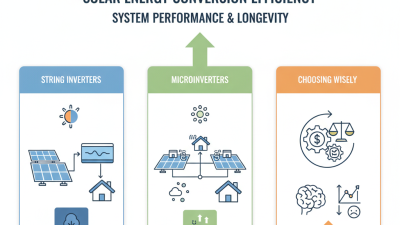
Choosing the right solar inverter is crucial for optimizing your business's energy needs. There are three primary types of solar inverters:
string inverters,
microinverters,
and
power optimizers.
String inverters are the most common choice for businesses due to their reliability and lower cost. They connect multiple solar panels in a series, allowing for efficient management of energy production. However, they can suffer if one panel is shaded or malfunctioning.
Microinverters are a more advanced option. They are installed on each solar panel, maximizing energy production even if some panels are less efficient. A report by the National Renewable Energy Laboratory shows that microinverters can increase energy output by 5 to 25% compared to string inverters, especially in partially shaded installations. However, they come at a higher initial investment and may have a steeper learning curve for businesses.
Power optimizers are another hybrid solution, combining the benefits of both string inverters and microinverters. They optimize performance at the module level while still connecting to a central string inverter. This option offers a balance between cost and enhanced efficiency. However, it is essential to assess the specific needs of your business, as not every option will be the best fit. Analyzing your energy consumption patterns and installation environment is imperative before making a decision.
Financial Benefits of Investing in a Solar Inverter for Businesses
Investing in a solar inverter can deliver significant financial benefits for businesses. According to the U.S. Department of Energy, solar energy has seen a remarkable reduction in costs, with prices falling by about 89% since 2009. This reduction transforms solar investments into a more appealing option, allowing businesses to potentially save thousands on energy bills.
Moreover, a solar inverter plays a crucial role in maximizing solar energy efficiency. It converts the energy captured by solar panels into usable electricity. According to a report from the National Renewable Energy Laboratory, optimal inverter performance can improve energy production by 20% or more. These improvements contribute directly to cost savings, as businesses pay less for grid electricity and may even sell surplus energy back to the grid.
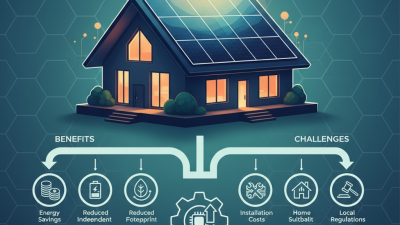
However, investing in a solar inverter isn't without challenges. Initial costs can be daunting for some businesses. Yet, considering the long-term savings, many find the investment worthwhile. A study revealed that companies often recoup their initial solar investment within five to seven years. Additionally, local and federal incentives can further improve the financial outlook, suggesting that a well-planned strategy can lead to significant returns.
Maintenance and Support: Ensuring Longevity of Your Solar Inverter
Maintaining a solar inverter is crucial for its longevity and efficiency. These devices convert solar energy into usable electricity. They are complex systems that require regular check-ups. A consistent maintenance routine helps to identify potential issues early. This can prevent costly repairs and downtime later.
Routine cleaning is essential. Dust and debris can accumulate, reducing efficiency. Inspect connections to ensure they are tight and corrosion-free. Sometimes, you might notice minor issues during these checks that could escalate if ignored. It’s wise to document your maintenance activities. This can also provide insights into patterns or recurring problems.
Professional support is vital when issues arise. Training and experience can make a difference in resolving problems effectively. Relying on experts ensures your inverter is operating at its best. Community resources and local technicians can provide insights specific to your region. Regular maintenance not only extends the life of your inverter but also contributes to your business's overall productivity.
Maintenance and Support for Solar Inverters