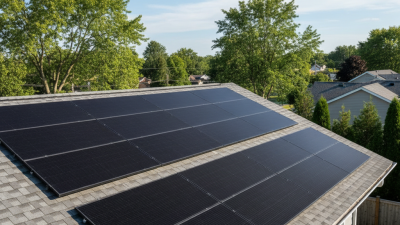
2026 How to Maximize Your Home Solar Energy Savings?
As the push for sustainable energy grows, homeowners are increasingly turning to home solar systems. The Solar Energy Industries Association (SEIA) reported that residential solar installations reached over 3.8 gigawatts in just the last year. This reflects a growing trend towards energy independence and savings for households across the nation.
Experts emphasize the significance of maximizing savings when using home solar. James O’Connor, a noted energy consultant, remarked, “Investing wisely in home solar can drastically reduce long-term energy costs.” Homeowners need to consider several factors that influence savings, such as location, solar panel efficiency, and local incentives.
Despite the benefits, maximizing savings is often overlooked. Many homeowners fail to assess their energy needs properly before installation. Understanding peak sunlight hours and choosing the right system are critical. An informed approach can yield significant financial and environmental benefits, making this investment a wise choice for the future.

Understanding the Basics of Home Solar Energy Systems
Home solar energy systems have become more popular. They allow homeowners to harness sunlight for electricity. Understanding the basics is vital for maximizing savings. These systems consist of solar panels, inverters, and batteries. Solar panels capture sunlight and convert it into energy. Inverters change this energy into usable electricity for your home.
Choosing the right system can be challenging. You need to consider your energy consumption. Each household is different, and needs vary significantly. Some may require more panels to meet their energy demands. Others may struggle to use all the energy produced. It’s important to reflect on these factors before making a decision.
Installing solar panels requires an upfront investment. This can be daunting for many homeowners. However, the long-term savings often outweigh these costs. Evaluating the right financing options and potential tax incentives is essential. Homeowners should also monitor their energy usage regularly. Adjustments may be necessary as energy needs change over time. Taking these steps will help you maximize home solar energy savings.
Evaluating Your Home's Solar Potential for Maximum Savings
Evaluating your home’s solar potential is essential for maximizing savings. Start by assessing your roof. A south-facing roof with minimal shading can generate the most energy. According to the U.S. Department of Energy, homes with the ideal conditions can save up to 50% on their electricity bills.
Next, consider local solar incentives and programs. Many states offer tax credits or rebates for solar installations. A report from the National Renewable Energy Laboratory indicates that these incentives can significantly lower the upfront costs. However, these offerings can vary widely, leaving homeowners questioning what they truly qualify for.
Finally, energy consumption patterns influence savings. Analyze your monthly electricity usage. Some households overestimate their requirements, leading to oversized solar systems. This can result in higher initial costs with diminishing returns. It's worth reassessing your energy habits to avoid such pitfalls. Understanding your home’s solar potential can lead to smarter investments and greater long-term savings.
Choosing the Right Solar Panels and Equipment
Choosing the right solar panels and equipment is crucial for maximizing home solar energy savings. Start by assessing your energy needs. Calculate your average consumption over a year. This number will guide your decision-making.
Consider the type of solar panels available. Monocrystalline panels are efficient but may cost more. Polycrystalline panels are often cheaper but can provide less power. Think about the space on your roof. If it’s limited, investing in the first option might be worthwhile.
Don’t forget inverters. They convert solar energy into usable electricity. Quality inverters can enhance your system’s efficiency. Research options and read real user experiences. Some folks find their chosen inverter doesn’t meet expectations. This can impact overall savings. Reflect on these aspects carefully before finalizing your choices.
Incentives and Rebates to Enhance Solar Savings
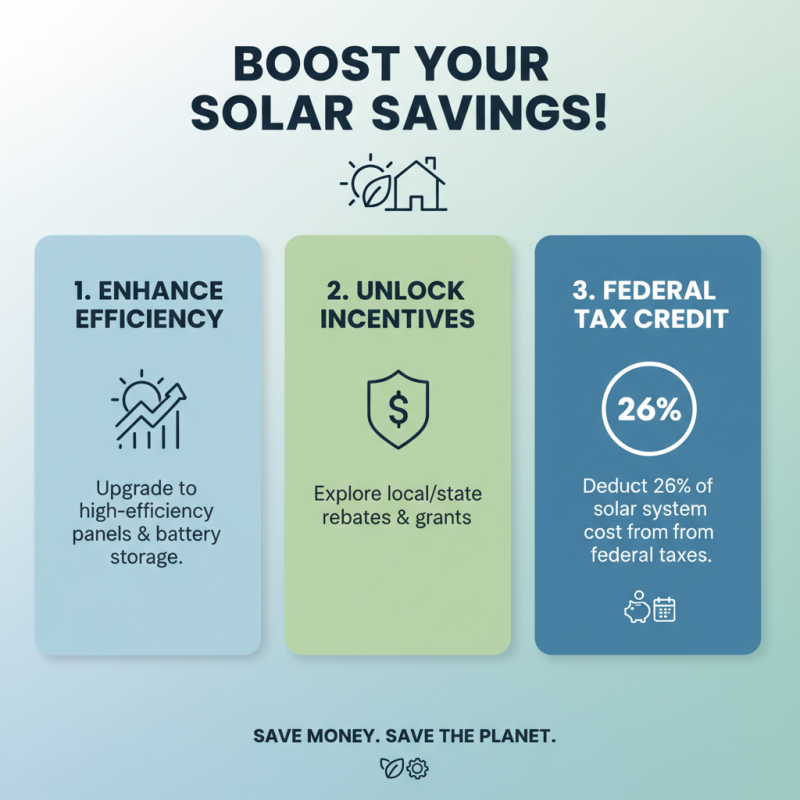
In recent years, many homeowners are exploring ways to enhance their solar energy efficiency. Incentives and rebates can increase financial savings significantly. For example, the federal solar tax credit allows homeowners to deduct 26% of their solar system costs from their federal taxes. This can lead to substantial savings.
State and local programs also offer additional incentives. Many states provide performance-based incentives, which pay homeowners for the actual electricity generated by their solar panels. Some utility companies may also provide rebates to reduce upfront installation costs. According to a report by the Solar Energy Industries Association, states with the most generous incentive programs see an increase in solar adoption rates by 50% or more.
While incentives are beneficial, it can be challenging to navigate them. Homeowners may find it difficult to keep up with changing policies or eligibility requirements. Often, lack of information leads to missed opportunities for savings. Research indicates that only 30% of eligible homeowners take full advantage of available rebates. This gap suggests the need for better outreach and education in the industry. It's crucial to stay informed and not overlook these valuable savings.