Why is Solar Energy Important for a Sustainable Future?
Solar energy is crucial for a sustainable future. It provides clean power and reduces greenhouse gas emissions. According to the International Renewable Energy Agency (IRENA), solar energy capacity reached 1,000 GW globally in 2019. This number has only grown since then, showing a strong shift towards renewable sources.
Many countries aim for net-zero greenhouse gas emissions. Solar energy plays a key role in this transition. The U.S. Department of Energy estimates that solar can provide 20% of the country’s electricity by 2030. However, challenges remain. Storage technologies need improvement, and solar panel recycling is still underdeveloped.
Investing in solar energy not only helps the environment but also creates jobs. The Solar Foundation’s National Solar Jobs Census reported over 250,000 solar jobs in the U.S. in 2020. Yet, many communities still lack access to solar technology. This inequality needs urgent attention as we work towards a sustainable future.
The Role of Solar Energy in Reducing Carbon Emissions
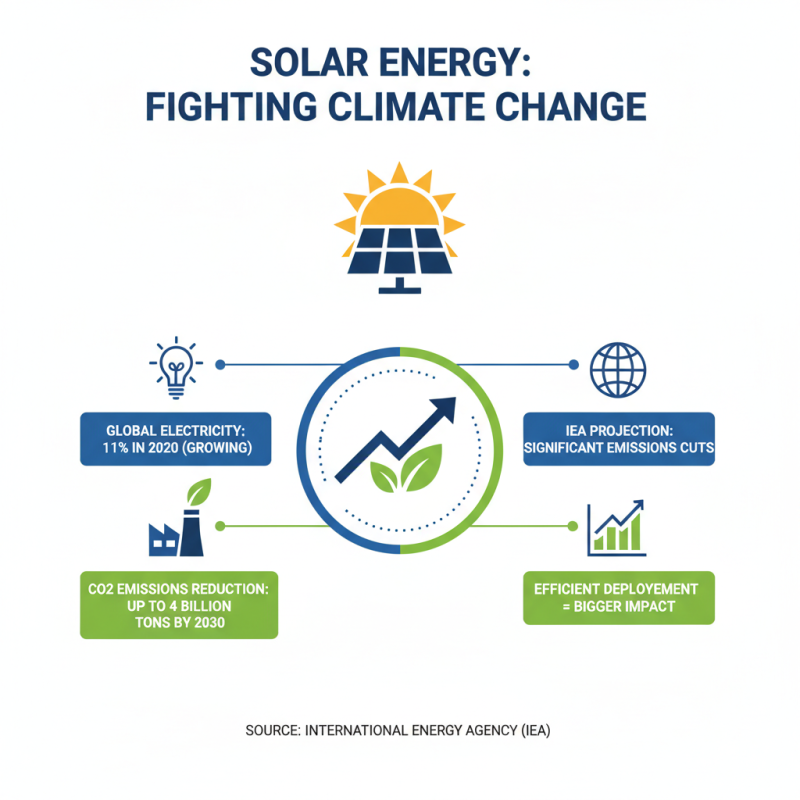
Solar energy plays a crucial role in the fight against climate change. According to the International Energy Agency (IEA), solar power can help reduce carbon emissions significantly. In 2020, the solar industry accounted for 11% of the global electricity generation, a number that is expected to grow. The transition to solar can curb up to 4 billion tons of CO2 emissions by 2030 if deployed efficiently.
However, the path to harnessing solar energy effectively is not devoid of challenges. Not all regions have the same benefits from solar installations due to geographic and climatic limitations. Some areas face issues with space for installations, while others struggle with inconsistent sunlight. The potential for solar energy to reduce reliance on fossil fuels is immense, but it's not guaranteed without proper investment and policy support.
Data from the National Renewable Energy Laboratory indicates that solar power could provide 40% of the U.S. electricity by 2035. This transition is crucial, as coal and natural gas continue to emit greenhouse gases. Communities must be ready to adapt to this change, investing in infrastructure and education about solar energy. While the benefits are clear, mistakes made in planning and deployment can jeopardize its potential. The future depends on careful and collective action.
Economic Benefits of Solar Energy Adoption
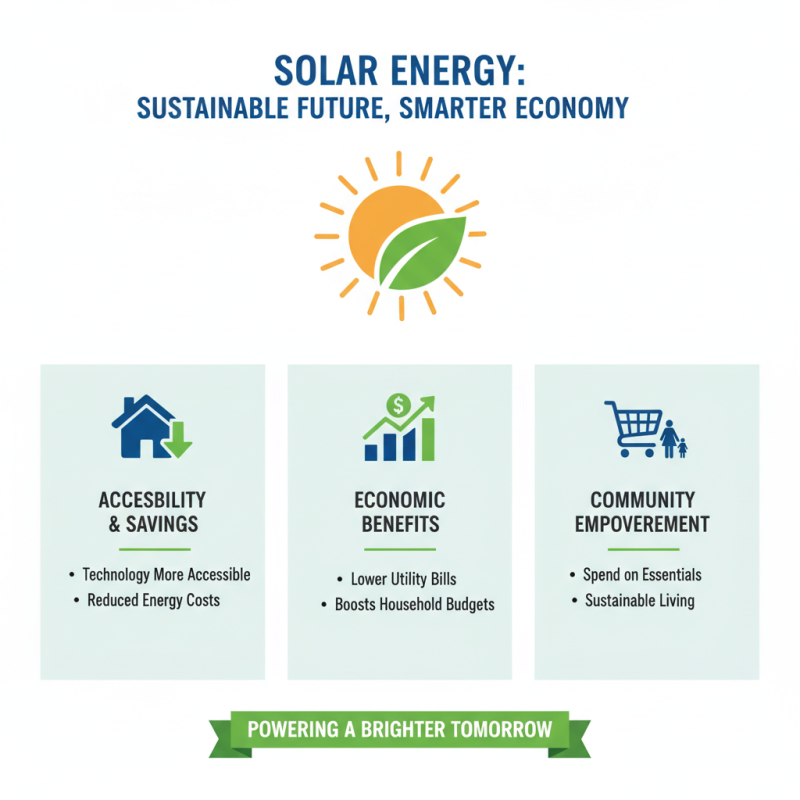
Solar energy has emerged as a vital component of a sustainable future. Its economic benefits are significant and far-reaching. The technology has become more accessible, allowing communities to reduce energy costs. When homes and businesses adopt solar energy, they often notice lower utility bills. This reduction boosts household budgets, enabling families to spend on other essentials.
Moreover, solar energy creates job opportunities. The solar sector employs a diverse range of professionals. Workers in manufacturing, installation, and maintenance are in high demand. However, the job market can be inconsistent, based on government incentives and market conditions. Uncertainties in policy can impact job stability, which is a concern for many workers. As the industry matures, better job security is necessary for sustainable growth.
Investing in solar energy can lead to long-term savings. Curious investors often see significant returns over time. However, initial installation costs can be a barrier for some. Finding affordable financing options is crucial. While solar offers immense potential, ongoing education and support for customers can improve adoption rates. Addressing these challenges is essential to realize the full economic benefits of solar energy.
Technological Advances Enhancing Solar Energy Efficiency
Technological advances in solar energy are shaping a sustainable future. Enhanced solar panels are now more efficient than ever. New materials, like perovskite, absorb sunlight better. They promise increased energy output in smaller spaces.
Additionally, energy storage has made significant strides. Batteries are evolving rapidly, allowing for better energy retention. This storage capability can ensure power availability at night. However, these advancements come with challenges. The manufacturing process can be resource-heavy and environmentally taxing.
Innovation continues, but there is still room for improvement. The efficiency rates of solar panels can peak but often plateau. Critical analysis of materials and production methods is essential. Addressing these issues can help optimize solar efficiency and sustainability. Engaging a broader audience in this conversation can foster better solutions.
Solar Energy's Contribution to Energy Independence
Solar energy plays a pivotal role in achieving energy independence. By harnessing the sun’s power, countries can reduce their reliance on imported fuels. This shift is vital for nations aiming for self-sufficiency. Utilizing solar panels and systems can generate clean energy locally. It empowers communities and fosters a sense of ownership over energy production.
It’s essential to consider local conditions when adopting solar practices. Not every location is equally suited for solar panels. Areas with consistent sunshine are ideal. However, regions with frequent cloud cover may require supplemental systems. Investing in energy storage solutions can help overcome these challenges. Moreover, maintenance of solar systems is often overlooked. Keeping panels clean ensures optimal performance.
Tips for maximizing solar energy use include seeking local incentives for solar installations. Many governments offer financial assistance, making solar more accessible. Always assess your energy needs before installation. Understanding consumption helps design an efficient system. Engage with community initiatives to promote collective solar projects. This cooperation can lead to shared resources and enhanced energy security.
Why is Solar Energy Important for a Sustainable Future? - Solar Energy's Contribution to Energy Independence
| Dimension |
Description |
Impact |
| Energy Generation |
Solar power systems convert sunlight into electricity. |
Provides renewable energy, reducing reliance on fossil fuels. |
| Environmental Impact |
Solar energy reduces greenhouse gas emissions. |
Helps combat climate change and promotes cleaner air. |
| Economic Benefits |
Creates jobs in solar panel manufacturing and installation. |
Promotes local economies and reduces energy costs. |
| Energy Independence |
Utilizes local solar resources, decreasing foreign energy dependence. |
Enhances national security and economic stability. |
| Technological Advancements |
Ongoing research improves the efficiency and affordability of solar technology. |
Increases accessibility and adoption of solar energy solutions. |
Environmental Impact of Solar Energy Compared to Fossil Fuels
Solar energy is a key player in shaping a sustainable future. Unlike fossil fuels, solar energy produces minimal emissions. It generates electricity without releasing carbon dioxide or harmful pollutants. The differences become clear when we examine their environmental impacts. Fossil fuels contribute to air and water pollution, affecting ecosystems and human health. In contrast, solar energy systems have a much smaller footprint.
Efficient use of solar energy can reduce waste. Many solar panels last up to 25 years or more. However, improper disposal can create e-waste issues. It's important to recycle end-of-life components properly. This practice prevents toxic materials from harming the environment.
Tips for going solar:
- Start with a home energy audit. Understand your energy usage.
- Look for local incentives. Many regions offer tax credits for solar installation.
- Consider community solar projects if individual installation isn't feasible. They can provide access to clean energy without the upfront costs.
Transitioning to solar energy is not just a choice but an obligation for a balanced ecosystem. Each step we take brings us closer to a cleaner world. However, we must reflect on the potential drawbacks and aim for improvement in renewable technology.