2026 How to Choose the Best Solar Solutions for Your Home?
Choosing the best solar solutions for your home is essential in today’s energy-conscious world. With more options available than ever, it can be overwhelming. Each household has unique energy needs. Understanding those needs is the first step towards making an informed decision.
Solar solutions come in various forms, including panels, batteries, and inverters. Evaluating your home’s roof space is crucial. Not all roofs are suitable for solar panels. The orientation and shading of your roof can impact efficiency. Additionally, consider the long-term investment and maintenance costs. A cheap option may not always be the best.
Think about what fits your lifestyle. Do you plan to stay in your home long-term? This can influence your choice. Also, reflect on your energy consumption patterns. It’s essential to make a choice that aligns with your financial situation and environmental goals. Ultimately, the right solar solution can significantly reduce your energy bills and carbon footprint while creating energy independence at home.
Understanding Your Home's Energy Needs for Solar Solutions
Understanding your home's energy needs is crucial when considering solar solutions. According to the U.S. Energy Information Administration, residential energy consumption averages around 877 kWh per month. However, this number can vary significantly based on factors like the number of occupants and energy usage habits. Conducting an energy audit may reveal your actual needs.
Consider your current appliances. Are they energy-efficient? Older models consume more power. Data from the Department of Energy shows that inefficient appliances can increase your energy usage by up to 30%. Beyond appliances, think about lifestyle habits. For example, do you often leave lights on or devices plugged in? Small changes in behavior can lead to substantial savings.
While evaluating your energy requirements, take note of seasonal variations. Energy consumption tends to peak during extreme weather months, such as July and January. This fluctuation calls for a flexible solar solution tailored to your home’s conditions. However, oversizing or undersizing your system can lead to inefficiencies and increased costs. It’s essential to analyze your energy patterns accurately. Some homeowners may find it challenging to predict future needs, especially with evolving family dynamics. Balancing current demands and possible changes requires careful consideration.
Understanding Your Home's Energy Needs for Solar Solutions
Types of Solar Solutions Available for Residential Use
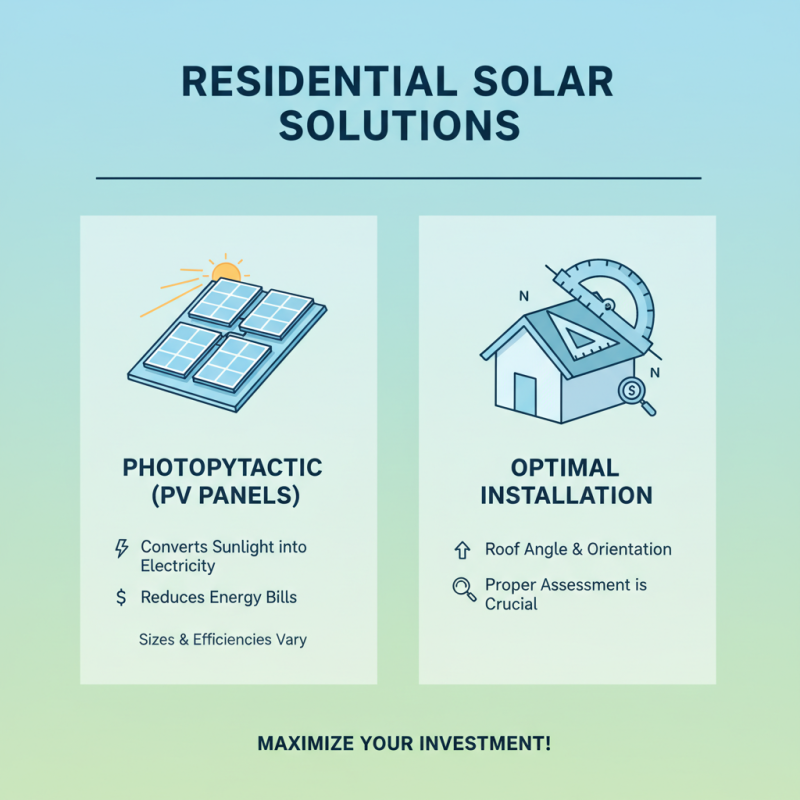
When considering solar solutions for residential use, it’s essential to explore the various types available. Photovoltaic (PV) panels are the most common choice. These panels convert sunlight into electricity, allowing homeowners to reduce energy bills. They come in different sizes and efficiencies. However, installation can be complex. Spotting the right roof angle and orientation is vital. Without proper assessment, homeowners may not maximize their investment.
Another option is solar water heating systems. These systems use sunlight to heat water for domestic use. They can be an energy-efficient solution for families that consume substantial hot water. However, they might not be suitable for every climate. In colder areas, the efficiency can drop significantly during winter months.
Solar roof tiles present a sleek alternative. They blend seamlessly with your roof while generating power. Yet, installation costs tend to be higher. Durability and performance can vary based on materials used. It’s crucial to do thorough research before making a choice. Each solar solution has benefits and drawbacks. Understanding these can help homeowners make informed decisions tailored to their needs.
Evaluating Solar Panel Efficiency and Performance
When evaluating solar panel efficiency and performance, several important factors come into play. The efficiency rate is key; it indicates how much sunlight a panel converts into usable energy. Most panels range from 15% to over 22%. Higher efficiency means more power generated in smaller spaces, which is essential for homes with limited roof area.
Temperature coefficient is another crucial metric. It measures how well panels perform in high temperatures. If panels heat up, efficiency can drop significantly. In regions with hot climates, understanding this can save you hassles later. You might also consider degradation rates. Every solar panel loses efficiency over time, typically around 0.5% to 1% per year. It’s essential to choose panels with lower degradation for better long-term performance.
Installation quality can greatly influence performance as well. Panels must be positioned at the right angle and orientation to capture sunlight optimally. This is often overlooked, leading to underwhelming energy production. It’s worth reflecting on how hiring skilled professionals can impact your investment. Installation might seem straightforward but cutting corners could mean uneven energy output down the line. Think carefully about these factors to ensure you get the most from your solar investment.
Factors to Consider When Choosing a Solar Installer
When choosing a solar installer, several factors come into play. Start by checking their credentials. Ensure they hold necessary licenses and certifications. These qualifications indicate their professionalism and expertise. Look for reviews and testimonials from previous customers. This will give you insight into their reliability and service quality.
Tips: Request quotes from multiple installers. Compare their offers not just on price, but also on services included. A lower price might reflect lower quality. Also, consider the warranty they offer. A longer warranty typically indicates a higher-quality installation.
Their experience is crucial too. An installer with years of experience is likely to navigate challenges effectively. However, newer companies can bring fresh perspectives and competitive pricing. Reflect on what is more important for your home. Communication skills matter. Choose an installer who explains the process clearly. Misunderstandings can lead to issues later. Make sure you feel comfortable asking questions.
2026 How to Choose the Best Solar Solutions for Your Home?
| Factor |
Description |
Importance Level |
Recommendation |
| Experience of Installer |
Number of years in the solar installation industry. |
High |
Choose installers with at least 5 years of experience. |
| Warranties Offered |
Length and coverage of warranties for parts and labor. |
High |
Look for warranties of 25 years or more for solar panels. |
| Cost and Financing Options |
Overall installation cost and available financing plans. |
Medium |
Evaluate multiple financial options, including tax incentives. |
| Customer Reviews and Ratings |
Feedback from previous customers regarding service quality. |
High |
Check online reviews and testimonials before making a decision. |
| Accreditations and Certifications |
Industry certifications that demonstrate quality and expertise. |
Medium |
Verify that the installer is certified by recognized organizations. |
| Post-Installation Support |
Services available after installation for maintenance and repairs. |
Medium |
Choose installers who offer ongoing support and maintenance plans. |
Financial Incentives and Long-Term Savings from Solar Energy
When considering solar solutions for your home, many financial incentives are available. These incentives can significantly impact your overall costs. Tax credits allow homeowners to deduct a portion of their solar installation expenses. Grants and rebates also help reduce upfront costs. Each of these can improve your financial outlook when going solar.
Tips: Assess the various incentives in your locality. Research the current programs as they can change. Some communities offer additional savings for energy-efficient upgrades.
Long-term savings from solar energy can be substantial. After installation, your electricity bill may greatly decrease. Some homeowners even report zero energy costs after a few years. However, pay attention to your energy consumption habits. They can affect your savings.
Tips: Monitor your energy usage regularly. Evaluate how much energy you can offset with solar power. Be realistic about the changes in your consumption patterns. Making adjustments can enhance your savings.