Why Choose a Solar MPPT Controller for Your Solar System?
In recent years, the demand for renewable energy sources has surged. Solar power stands out as a leading option. A key component of solar energy systems is the Solar MPPT controller. This technology maximizes energy harvest from solar panels.
According to a report by the International Renewable Energy Agency (IRENA), solar power capacity grew by 22% in 2020 alone. This growth translates to increased reliance on efficient solar systems. John Smith, a noted expert in solar technology, states, "The Solar MPPT controller is crucial for optimizing output in solar setups." This assertion highlights the importance of choosing the right equipment.
Yet, many users overlook the potential benefits of a Solar MPPT controller. Without it, systems may underperform, missing up to 30% of generated power. Though often thought to be an added expense, the true cost can be higher without one. Investing in a quality controller can yield significant efficiency gains, but it's essential to understand the specifics. Ultimately, every solar installation should carefully consider this technology.
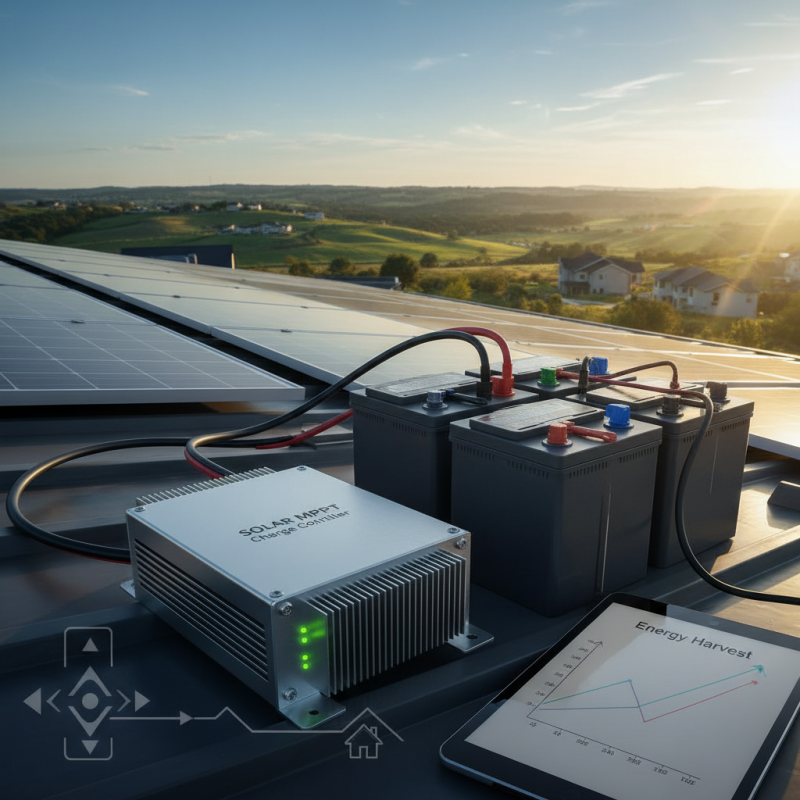
Understanding the Basics of MPPT Technology in Solar Systems
MPPT technology, or Maximum Power Point Tracking, is crucial for solar energy optimization. It maximizes the energy harvested from solar panels. This technology adjusts the electrical operating point. It finds the optimal voltage and current for maximum power output. In doing so, it significantly increases the efficiency of solar systems.
When sunlight conditions change, MPPT controllers react quickly. They adapt to fluctuations in light intensity. This constant real-time adjustment helps maintain high energy production. For instance, on a cloudy day, solar output drops. An MPPT controller ensures that the system still operates at peak performance. However, not all MPPT controllers perform equally. Some may struggle under specific conditions. Users should be aware of these limitations.
Installation isn't always straightforward. Sometimes users face compatibility issues with different components. Proper setup is critical for achieving desired performance. Lack of knowledge about MPPT technology can lead to wasted potential. It's essential to understand the specifics to avoid these pitfalls. Optimal performance hinges on choosing the right system. Efficiency should never be assumed without proper research and understanding.
Benefits of Using an MPPT Controller Compared to Traditional Charging Methods
Solar MPPT controllers are transforming energy management. They optimize solar energy use in the best way. Compared to traditional charging methods, MPPT controllers can increase energy harvest by up to 30%. This is vital for maximizing solar efficiency.
Traditional chargers often operate at fixed voltages. They can leave energy on the table. MPPT controllers adapt to varying sunlight conditions. They adjust voltage and current continuously. For example, during partial shading, MPPT can recover up to 20% more energy. This adaptability is crucial for residential and commercial systems.
Statistically, users can save significantly on energy costs. A report found that households using MPPT controllers reduced energy bills by about 15%. Additionally, MPPT systems often have longer lifespans. Efficiency leads to less strain on components. Yet, some installations report confusion over settings. Misconfiguration can limit performance, indicating a need for better user education.
How MPPT Controllers Optimize Energy Harvesting from Solar Panels
When it comes to solar energy, maximizing efficiency is crucial. MPPT, or Maximum Power Point Tracking, controllers play a vital role in this process. They optimize energy harvesting by adjusting the electrical operating point of the solar panels. By doing so, they ensure that your system extracts the maximum available power, even in changing conditions.
Consider how these controllers adjust to varying light levels throughout the day. Without MPPT, you may lose a significant amount of energy. On cloudy days, for example, traditional systems might struggle. But MPPT continues to capture energy efficiently, adapting to the environment dynamically. This responsiveness can be the difference between a good and great energy output.
**Tip:** Regularly check your solar setup. Dust and dirt can reduce efficiency. Keeping panels clean helps MPPT perform better.
Another aspect to note is the complexities of installation. While MPPT controllers offer great benefits, understanding their technology thoroughly is essential. Users sometimes overlook the setup details, leading to inefficiencies. Investing time in learning about these systems will pay off in energy savings.
**Tip:** Consult with experts during installation. Their insights can prevent future issues.
Key Features to Consider When Selecting a Solar MPPT Controller
When selecting a solar MPPT controller, consider its efficiency. Efficiency ratings often exceed 95%. High efficiency maximizes energy harvest. This means your solar panels will perform better, generating more power. A report by the Solar Energy Research Institute stated that poor quality controllers can lead to energy loss of up to 30%.
Look for temperature compensation features. These ensure optimal performance in various weather conditions. Efficient MPPT controllers adapt to temperature changes. This adaptability can enhance energy output. Some studies show that controllers lacking this feature underperform in extreme temperatures by as much as 20%.
Compatibility is crucial too. Ensure the controller works with your solar system's voltage and battery type. Mismatched systems can lead to inefficiency or damage. Research indicates that nearly 15% of users experience issues due to compatibility errors. Checking specifications before purchase can prevent these headaches. Even small details matter.
Installation and Maintenance Tips for Solar MPPT Controllers
When considering solar MPPT controllers, installation and maintenance are key. A well-installed MPPT controller can improve energy efficiency by up to 30%, according to industry reports. This efficiency means more energy conversion from your solar panels to usable electricity. Ensure that the installation site is clean and has no debris. Dust and dirt can affect performance.
Regular maintenance is crucial to keep your MPPT controller functioning optimally. Check connections monthly for wear. Loose or corroded wires can reduce efficiency significantly. Experts recommend cleaning the controller and its surrounding area every three months. A clean environment supports better heat dissipation, which is vital for performance.
Additionally, watch for fluctuating performance metrics. If you notice unexplained drops in power output, it may indicate a problem. Sometimes, MPPT controllers can also malfunction due to environmental factors. Ensure shade from trees or buildings is minimal to maintain maximum sunlight exposure. Balancing installation quality with regular maintenance leads to a more durable solar power system.
Why Choose a Solar MPPT Controller for Your Solar System? - Installation and Maintenance Tips for Solar MPPT Controllers
| Feature | Benefits | Installation Tips | Maintenance Tips |
| High Efficiency | Increased energy harvest from solar panels | Ensure optimal orientation and shading analysis before installation | Regularly check connections and clean dust from surfaces |
| Monitoring Capabilities | Track performance and detect issues easily | Use appropriate monitoring apps for real-time data | Check logs for discrepancies and perform diagnostics |
| Battery Protection | Prevent overcharging and extend battery life | Install with proper battery type and specifications | Monitor battery health and replace when necessary |
| User-Friendly Interface | Simplifies system operation and settings adjustments | Follow the manufacturer's guide for initial setup | Update firmware periodically for optimal performance |