What Are the Best Types of Home Solar Systems in 2026?
In 2026, choosing a home solar system is less about buying the most panels and more about matching equipment to daily energy use. A grid-tied array often costs less and can send excess electricity to the utility. However, it generally cannot power a home during an outage without compatible storage. A hybrid system adds a battery and control equipment. That can help when outages, evening use, or electricity rates matter. Off-grid systems offer independence, but require careful sizing, backup planning, and space for batteries. Small distinctions matter. International Energy Agency Executive Director Fatih Birol described solar’s growing role this way: “Solar is the new king of electricity markets around the world.” That broad observation is not a guarantee of savings for every household.
The best option depends on sunlight, roof direction, shade, electricity rates, and a family’s backup needs. A shaded roof may call for different equipment than a sunny home with heavy evening demand. Panel type, inverter design, battery capacity, warranties, installer quality, and monitoring tools all deserve comparison. Product rankings can look neat on paper; real electricity bills are less tidy. Estimates depend on assumptions, and payback forecasts can shift as rates and household habits change. This guide compares grid-tied, hybrid, and off-grid systems, then examines panels, inverters, batteries, costs, and practical trade-offs. It also highlights questions homeowners can ask before signing. No universal winner exists. The goal is a system that fits the roof, budget, and resilience needs—not the loudest sales pitch.
How Home Solar Systems Are Classified in 2026
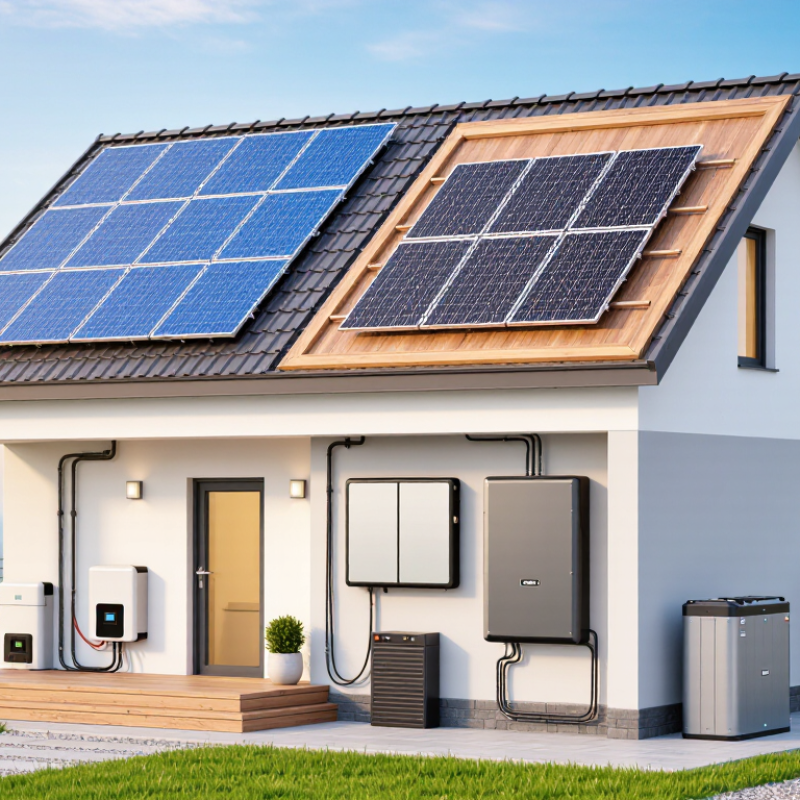
Home solar systems are commonly classified by their connection to the grid and their storage. Grid-tied systems send excess electricity to the local network, but usually stop supplying power during an outage. Hybrid systems add batteries, allowing selected circuits to keep running when the grid fails. Off-grid systems operate independently and need enough storage for periods of weak sunlight. The categories are useful, but not perfectly neat. A battery-ready system, for example, may need extra equipment before it can provide backup power.
System design also depends on inverter layout. String inverters connect several panels together, while microinverters convert power at individual panels; shading can make that difference important. NREL’s 2024 residential cost benchmark modeled PV-only systems at $2.90 per watt DC and PV-plus-storage systems at $4.50 per watt DC, using Q1 2023 pricing assumptions. Those figures show that adding storage changes the system’s cost, not just its label. Before comparing quotes, check which circuits receive backup power, how much usable battery capacity is included, and whether the roof has shade. A classification is a starting point, not a complete design review.
What Are the Best Types of Home Solar Systems in 2026?
Home solar systems are commonly classified by whether they connect to the grid and whether battery storage is part of the system design.
How to read this chart: 1 means “Yes” and 0 means “No.” Grid-tied systems without storage rely on the grid when solar generation is insufficient; hybrid systems combine grid access with batteries; off-grid systems operate without a grid connection and use storage to supply power when solar generation is low. The best fit depends on grid access, backup needs, and budget.
How Grid-Tied Solar Systems Work and Who They Suit
Grid-tied solar systems connect rooftop panels to your home and the utility grid. Panels produce direct current, and an inverter converts it into electricity household appliances can use. When your panels make more than your home needs, excess power may flow to the grid. At night or on cloudy days, your home can draw electricity from the grid.
These systems often suit homes with dependable grid service, a usable roof, and daytime electricity use. A south-facing roof can help in many locations, but shade and local conditions matter more than a simple direction rule. Payment for exported electricity varies by utility and location, so check current terms before estimating savings. One detail homeowners sometimes miss: standard grid-tied systems usually shut down during an outage for worker safety. They are not automatic backup power.
Tips: Review a recent bill and note when your household uses electricity. Ask a qualified installer to assess roof shade, equipment placement, and expected output. Compare the estimate with your actual usage; projections are useful, but they are not promises.
How Hybrid Solar Systems Combine Panels, Batteries, and the Grid
A hybrid solar system connects rooftop panels, a home battery, and the utility grid through compatible power equipment. Panels usually supply the home during daylight. Surplus electricity can charge the battery or flow to the grid, depending on the system and local arrangements. After sunset, stored power can run selected appliances. The grid remains available when the battery is low. Not magic. On cloudy afternoons, solar output may drop while household demand stays high.
The main advantage is flexibility: a battery can provide backup power and shift some solar energy into evening hours. But backup capacity depends on battery size, inverter capability, and which circuits are connected. A refrigerator, lights, and internet equipment may be practical priorities; heating or cooking appliances can draw much more power. A careful installer should review actual usage, roof conditions, and likely outages before recommending a setup. Even a sensible estimate can miss a family’s changing habits.
Tips: Check which circuits receive backup power, not just the battery’s advertised capacity. Ask how the system behaves during an outage; many grid-connected systems need specific equipment to operate safely. Compare estimated savings with battery replacement costs, and revisit the numbers if your electricity use changes.
How to Compare Solar System Types for a Home
Choosing a home solar system starts with your priorities: lower bills, backup power, or independence from the grid. A grid-tied system is usually the simplest fit when outages are rare. It sends excess electricity to the grid, but typically shuts down during an outage unless paired with special backup equipment. A hybrid system adds a battery, letting selected circuits—such as the refrigerator and a few lights—run during a blackout. An off-grid system uses batteries and often a generator, so it needs careful sizing for cloudy weeks and seasonal demand. That can be easy to underestimate.
Compare installed cost, usable battery capacity, and expected output—not just panel counts. Lawrence Berkeley National Laboratory’s 2024 Tracking the Sun report placed the median residential solar price at about $3.15 per watt in 2023, before incentives. That figure describes solar installations, not a complete apples-to-apples comparison of battery-equipped or off-grid systems. Battery prices and installation needs vary by home.
Review at least a year of utility bills, then check roof shade, evening consumption, and local outage history. A battery sized for brief evening use may not cover a long outage. Conversely, a large battery may sit mostly unused. I’d treat savings estimates cautiously: weather, tariffs, and household habits can change the result.