What Is the Best Type of Solar Post Lights?
Choosing the best Solar Post Lights is not simply a matter of selecting the brightest model. The right choice depends on your pathway, climate, post size, and nighttime routine. A light that looks impressive online may produce weak illumination after several cloudy days. That difference matters.
Lighting designer David Warfel offers a useful principle: “Good lighting is not about adding more light; it is about placing light with purpose.” This idea fits Solar Post Lights perfectly. A warm 2700K to 3000K glow can make a garden feel welcoming. Cooler light may improve visibility, but it can appear harsh beside natural stone or wooden fencing. Small details change the result.
This guide examines the main Solar Post Lights categories, including integrated LED, adjustable solar-panel, motion-sensor, and decorative lantern designs. It compares brightness, battery capacity, charging performance, weather resistance, installation, and maintenance. Look for clear lumen ratings, replaceable batteries, and an IP65 or higher weatherproof rating when possible. However, product labels are not always consistent. Marketing claims can be optimistic.
Real-world conditions also deserve attention. A post under tree branches may receive only limited sunlight. A south-facing panel usually performs better in many northern-hemisphere locations, though seasonal shading can reduce charging. I have found that placement often matters more than appearance. This is easy to overlook.
There is no universal winner. The best Solar Post Lights balance dependable charging, comfortable brightness, suitable design, and reasonable long-term value. Some compromises remain. This guide helps you recognize them before purchase.
What Are Solar Post Lights and How Do They Work?
Solar post lights are outdoor fixtures that combine a small photovoltaic panel, rechargeable battery, LED module, and light sensor. During daylight, the panel converts sunlight into electricity and stores it in the battery. At dusk, the sensor activates the LED automatically. No trenching or external wiring is normally required.
Their performance depends on more than panel size. Sun angle, shade, battery quality, temperature, and winter daylight all matter. The U.S. Department of Energy states that LEDs use at least 75% less energy than incandescent lighting and can last up to 25 times longer. That efficiency suits low-power solar systems. Meanwhile, IEA PVPS Trends 2024 reported that global solar photovoltaic capacity exceeded 1.6 terawatts by the end of 2023. This growth supports better components, but it does not make every small light reliable. In practical use, cloudy weather can shorten illumination time noticeably. A larger panel may help, yet it can also make the fixture heavier and less discreet.
Tips: Place the panel toward the strongest daily sunlight, away from tree shadows and walls. Clean dust from the panel every few months. Check the battery rating before buying. Replaceable batteries are often more practical. Still, published runtime figures can feel optimistic, especially during rainy seasons. Test one fixture through a full week before installing several.
Which Types of Solar Post Lights Are Available?
The best type of solar post light depends on your space, climate, and lighting purpose. Several styles are available, each creating a different outdoor effect.
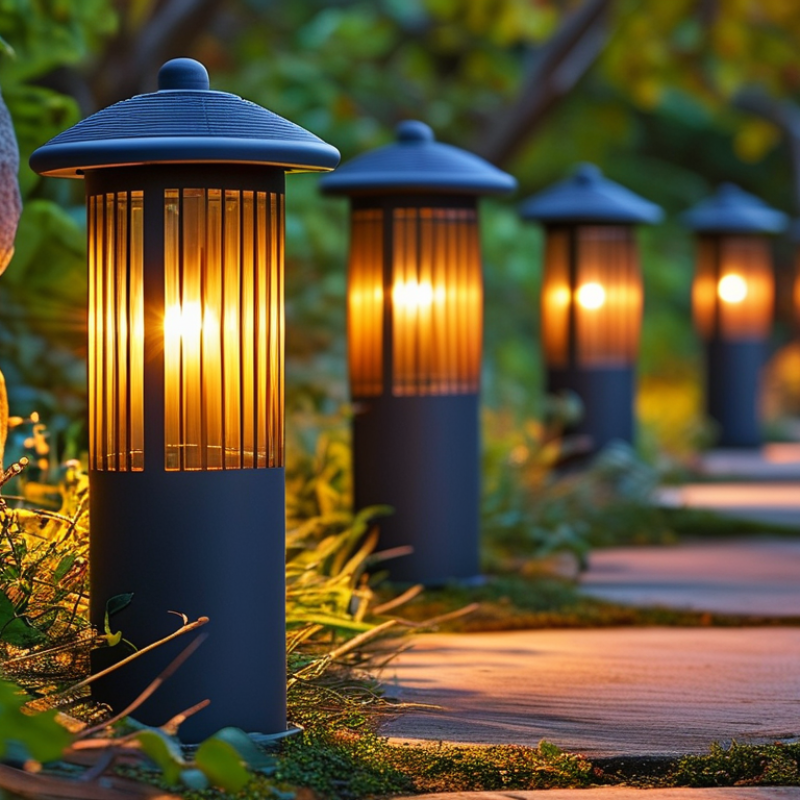
Classic lantern-style lights suit traditional gardens, porches, and wooden fences. Their clear panels spread a warm, familiar glow. Globe lights offer softer, wider illumination and work well beside driveways or pool areas. Modern cylinder and flat-top designs look cleaner, especially on metal or concrete posts. Some models include motion sensors, which brighten when movement is detected. These are useful near gates, steps, and darker paths. Integrated solar panels look neat, while separate panels can perform better in shaded locations.
In real installations, panel placement matters more than appearance. A beautiful light may perform poorly under tree cover. Look for weather-resistant construction, replaceable batteries, and a brightness rating suited to the area. Warm light feels welcoming, but cooler light may reveal steps more clearly. No style is perfect. A decorative globe can create glare, and a powerful sensor light may disturb nearby rooms.
Tips: Place each panel where it receives several hours of direct sunlight. Keep the panel free from dust and leaves. Test the light after sunset before fixing it permanently. Leave space between fixtures to avoid bright patches and dark gaps. Small adjustments matter.
What Is the Best Type of Solar Post Light?
Which types of solar post lights are available?
Solar post lights are available in several practical designs. Integrated LED models are the most common, while lantern-style lights focus on traditional appearance. Motion-sensor models activate brighter illumination when movement is detected, and color-changing models provide adjustable decorative lighting. Choose the type according to brightness, appearance, security needs, and installation location.
What Features Matter When Choosing Solar Post Lights?
The best solar post light is not always the brightest model.
It is the one that suits your post, climate, and evening routine. When choosing, check the panel size, battery capacity, and stated lighting time. A small panel may struggle beneath tree branches or during short winter days. Look for a replaceable battery if possible. That detail can extend the fixture’s useful life. Also measure the post cap carefully. A loose fitting can wobble in strong wind. I once overlooked this on a garden project. The light worked, but the cap needed an extra adapter.
Weather resistance matters more than decorative shape. Seek a clear ingress protection rating and sealed seams around the lens. Stainless or treated metal usually handles damp air better than thin painted steel. Yet no finish is maintenance-free. Wipe away dust and bird residue every few months. Check whether water collects inside the top after rain. It should not. Brightness also needs context. Warm light can make a pathway comfortable, while a harsh beam may create glare near eye level. Motion sensors save energy, but their range may be unreliable beside moving branches or busy roads. Test the detection area after installation.
A dependable design should offer simple controls, stable charging, and accessible replacement parts.
Read independent test details, not only advertising claims. Pay attention to performance after cloudy days, not just the first bright evening. The result may be less dramatic. That is useful information. I would also favor a light that stays secure without drilling into a fragile post. Solar lighting still depends on weather, so expectations must remain realistic. A carefully chosen, modest fixture often performs better than an oversized one with poor placement.
How Should Solar Post Lights Be Installed and Maintained?
What Is the Best Type of Solar Post Lights?
Solar post lights work best when their panels receive direct sunlight for several hours daily. Warm LED lights usually create a softer, more comfortable glow around patios and pathways. Before installation, check the post’s dimensions and mounting surface. A loose fit can cause movement during windy weather. Place the light away from roof shadows, trees, and bright outdoor lamps. Even partial shade can reduce nighttime performance.
Tips: Charge each light in full sun before its first evening. Mark the screw holes carefully. Use weather-resistant screws for outdoor surfaces. Keep the panel level, and avoid overtightening the screws. This small detail matters.
Maintenance
Maintenance is simple, but it should not be ignored. Wipe the solar panel with a damp, soft cloth every few weeks. Dust, pollen, and bird residue can block sunlight. Remove leaves from nearby plants before they cover the panel. Inspect the housing after heavy rain or freezing temperatures. Water inside the unit may signal a damaged seal. Replace the rechargeable battery when the light becomes noticeably dim or runs briefly. Battery life varies with weather and use. I once assumed a weak light needed replacement, but a dirty panel caused the problem. Still, some lights perform poorly in winter, and cleaning cannot fix limited daylight. Check the switch, wiring, and battery connection before buying a new unit.