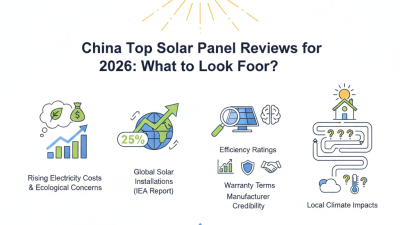







Choosing the right panel is no longer a simple contest between efficiency percentages. Global buyers must examine climate, warranty terms, installer quality, degradation, and long-term service access.
The International Energy Agency reported that solar photovoltaic capacity expanded rapidly in 2024, reinforcing solar’s central role in new electricity generation. IRENA’s Renewable Capacity Statistics 2025 recorded approximately 452 gigawatts of new solar capacity added worldwide during that year. These figures reveal strong momentum, but they do not identify one perfect panel for every roof.
Andy Sendy, founder of SolarReviews and a long-time residential solar commentator, has stated, “The best solar panel is the one that fits your specific needs.” That practical view matters. A high-efficiency module may suit a shaded London roof, while a lower-cost panel could offer better value on a spacious Australian property. Solar reviews should therefore compare performance under heat, low light, wind, and real installation conditions.
Look beyond laboratory numbers. NREL research shows that temperature affects photovoltaic output, especially in hot climates. A panel rated at 23% efficiency may perform differently under desert heat, coastal humidity, or winter snow. Warranty language can also hide important limits.
No ranking remains permanent. Manufacturing changes, installer feedback, and field failures can shift the picture. This guide examines leading panels through transparent evidence, regional suitability, and buyer experience, while admitting one uncomfortable truth: published specifications never tell the whole story.
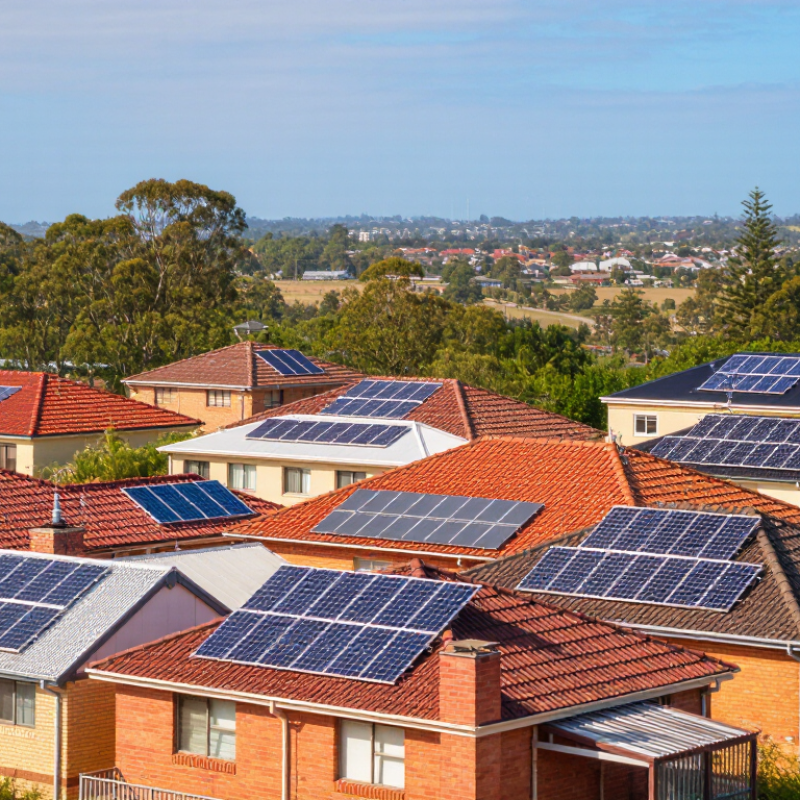
Solar panels turn sunlight into direct current electricity through photovoltaic cells. An inverter changes that electricity into usable household power. The basic process is simple, but panel performance depends heavily on location.
A panel’s wattage shows its output under laboratory conditions. Real roofs produce less because of heat, dust, shade, and changing sunlight.
Efficiency measures how much sunlight becomes electricity. Higher efficiency can help when roof space is limited.
Temperature ratings also matter in hot climates. Excess heat can reduce daily production.
Keep this in mind.
Buyers should check the roof angle, seasonal weather, and nearby shadows before comparing prices. A tall tree may cover panels during the most valuable afternoon hours. In coastal areas, salt air requires suitable materials and careful maintenance. Snowy regions need stronger mounting designs and realistic winter estimates. Off-grid systems also need batteries, charge controls, and backup planning. Grid-connected systems require approved equipment and local inspection.
I once saw a simple wattage comparison hide major differences in shade performance. It looked convincing, yet the roof data was incomplete. That was a useful reminder.
Ask for measured assumptions, not only attractive production figures. Review safety certifications, installer training, warranty terms, and replacement procedures.
Local electrical rules can differ widely, even within one country. Independent testing reports and clear technical documents are more dependable than vague sales claims.
A practical choice may use slightly fewer panels, leaving space for ventilation and easier maintenance.
Solar buyers usually compare three families: monocrystalline, polycrystalline, and thin-film. Monocrystalline panels use single-crystal silicon and typically deliver the highest efficiency. Fraunhofer ISE reported commercial crystalline-silicon modules near 20–23% efficiency in 2024. They suit limited rooftops, where every square meter matters.
Polycrystalline panels use multiple silicon crystals and often cost less. Their efficiency is usually lower, so larger arrays may be necessary. Thin-film panels use semiconductor layers on glass, metal, or flexible materials. They can perform steadily in high heat and weak light. However, they often require more installation space. That trade-off matters.
Market scale adds useful context. IRENA recorded 1,419 GW of global solar capacity by the end of 2023. IEA PVPS also reported exceptionally strong annual growth during 2023. These figures show wider adoption, not identical performance in every climate. In field assessments, roof direction, dust, shading, and ventilation can change output more than brochure ratings suggest. A highly efficient panel may underperform beside a hot, dusty roof obstruction. Small details matter.
For humid coastal regions, corrosion resistance deserves close inspection. For remote projects, temperature behavior and service access may matter more than peak efficiency. Buyers should compare measured data under local conditions, not only laboratory results. NREL efficiency records are useful benchmarks, but they do not represent every commercial installation. I sometimes find the category labels too neat. Real roofs are rarely neat.
Comparing solar panels requires more than reading the highest wattage on a label. Efficiency shows how much electricity a panel produces from limited roof space. A 22% panel may suit a small urban roof better than a larger, cheaper model. Temperature coefficient also matters. In hot climates, output falls as panel temperature rises. Look for a lower negative percentage, such as -0.30% per °C.
Annual degradation is another practical measure. A panel losing 0.25% yearly should retain more power after twenty years than one losing 0.50%. Check the product’s power tolerance, low-light performance, and mechanical load rating. Coastal buyers should examine salt-mist testing, while snowy regions need stronger load resistance. Independent certification and clear warranty terms add confidence. However, warranty length alone proves little.
Tips: Compare test conditions, not just headline figures. Ask for third-party performance data. Review local sunlight, roof direction, shading, and installation temperature. A calculator can estimate output, but real roofs are untidy. Dust gathers near edges. Shadows move across chimneys. I would record seasonal shade before choosing a panel. The highest efficiency may not deliver the best return if installation costs are excessive. Some comparisons also overlook repair access, which can affect long-term reliability.
Panel selection changes sharply across regions. A desert roof needs different priorities than a humid coastal home. The IEA PVPS Trends 2024 report recorded more than 400 GW of new solar capacity in 2023, showing how quickly local conditions are shaping global demand.
In hot climates, temperature performance matters. Photovoltaic output commonly declines as module temperature rises, so installers should compare temperature coefficients, ventilation, and mounting height. Dust also deserves attention. A low-maintenance design may outperform a higher-rated panel when water is scarce. In coastal areas, salt-mist resistance and corrosion testing are essential. These details rarely appear in short online reviews.
Snow and wind create another selection challenge. NREL’s photovoltaic degradation research reports a median annual degradation rate near 0.5%, but real results vary with climate, installation quality, and maintenance. High-altitude buyers should check snow-load ratings, ultraviolet exposure, and cold-weather performance. Grid reliability matters too. In regions with frequent outages, panel efficiency alone cannot define value; inverter compatibility and storage readiness may matter more.
Not every roof needs the highest efficiency.
Field assessments often expose weak assumptions. A shaded roof may gain more from better layout planning than from expensive efficiency claims. The Global Solar Atlas also shows major differences in solar resource between regions, even within the same country. Buyers should compare verified test data, local certifications, warranty conditions, and installer experience. A global ranking sounds convenient, but it can mislead. Regional evidence is usually more useful.
Solar panels should match the buyer, not just the highest efficiency figure. Monocrystalline panels suit small roofs because they produce strong output per square meter. They often perform well in urban homes with limited space.
Bifacial panels can help open sites, where reflected light reaches the rear surface. Their value depends heavily on ground brightness, mounting height, and installation angle.
Thin-film panels remain useful for lightweight roofs and larger areas. However, they usually require more space for similar output.
Tips: Check the temperature coefficient, degradation rate, product warranty, and local certification. Ask an installer to assess shade at different hours. A panel that looks excellent online may perform poorly beside a chimney or in heavy dust. Compare the full system, including mounting hardware, inverter compatibility, and maintenance access. Local grid rules also matter, especially for export limits and electrical protection.
Global buyers should examine climate before choosing a category. Hot regions need stable high-temperature performance, while snowy areas need strong mechanical-load ratings. Coastal projects require careful corrosion protection.
Independent test data is more useful than marketing language, but it is not perfect. Laboratory results cannot fully predict dust, storms, or careless installation.
A practical review should include service availability, replacement time, and installer experience. The cheapest panel can become expensive when support is distant.
No, I will think about it in future.