






Top Benefits of Solar Power Systems for Your Home?

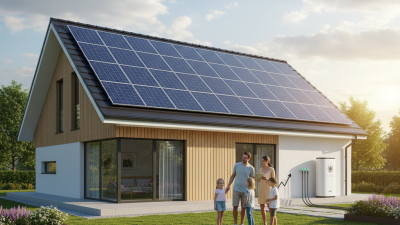
Embracing a solar power system for your home comes with numerous advantages. This clean energy technology not only reduces your carbon footprint but also significantly lowers electricity bills. With rising energy costs, more homeowners are exploring sustainable energy options.

Solar power systems generate electricity from sunlight, making them a renewable source of energy. Imagine harnessing the sun's rays to power your appliances. You can reduce reliance on the grid, enhancing your home's energy independence. Moreover, these systems often come with incentives, such as tax credits and rebates, making them even more appealing.

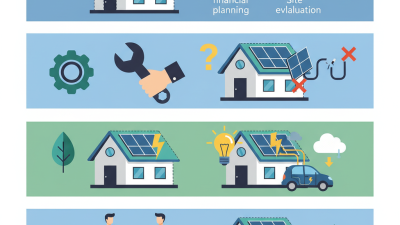
Yet, some may hesitate due to upfront costs. It's essential to weigh long-term savings against initial investment. Investing in a solar power system requires careful consideration. However, the entire process can lead to a more sustainable lifestyle. Clean energy is not just beneficial; it's a step towards a better future.

Top Benefits of Solar Power Systems for Your Home?

Benefits of Solar Power for Lowering Energy Bills
Top Benefits of Solar Power Systems for Your Home?

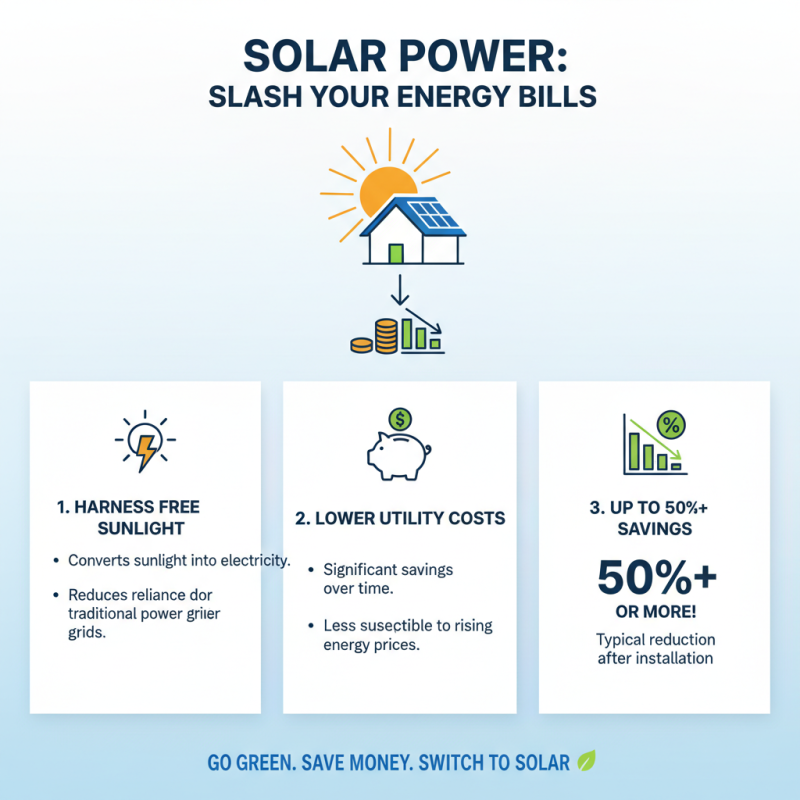
Solar power systems can significantly lower energy bills for homeowners. By harnessing sunlight, these systems convert it into electricity. This reduces reliance on traditional energy sources, which often lead to higher costs. Over time, the savings from switching to solar can be substantial. Many people report reductions in energy bills by 50% or more after installation.

However, it's essential to consider installation costs. The initial investment can be daunting, though various incentives may alleviate some expenses. Some homeowners find themselves questioning the long-term benefits. They worry about the longevity of the panels and potential maintenance issues. Additionally, placement and shading can affect solar efficiency. Sometimes, the location of a house may not be ideal, prompting a reconsideration of whether solar makes financial sense.

The environmental impact also merits attention. Using solar power reduces reliance on fossil fuels. This shift contributes to a healthier planet. Still, the production of solar panels involves environmental costs. Striking a balance between savings and sustainability is crucial. Homeowners must reflect on these factors before making a decision.

Environmental Impacts of Utilizing Solar Energy at Home

Using solar energy at home greatly impacts the environment. Solar power systems generate clean electricity. They reduce reliance on fossil fuels, lowering greenhouse gas emissions. This shift contributes to a healthier atmosphere.

Solar panels capture sunlight and convert it to energy. This process does not emit harmful pollutants. Families benefit by reducing their carbon footprint. Yet, the production of solar panels does create waste. It’s essential to consider how to dispose of old panels responsibly.

Moreover, solar energy usage promotes biodiversity. By decreasing air pollution, we protect various species. A healthier ecosystem benefits everyone. But, the initial setup costs can be daunting. Homeowners must weigh these aspects carefully.

Long-Term Financial Savings from Solar Power Investment

Investing in solar power systems can lead to significant long-term financial savings. Homeowners often see reduced energy bills right from the start. In sunny regions, this can mean substantial cuts in monthly expenses. Over time, these savings accumulate, making solar an attractive option.

Many people overlook the initial installation costs. It can be intimidating. However, various incentives might lessen this burden. Tax credits and rebates make solar more accessible. Relying solely on traditional energy sources can lead to unpredictable bills. Solar offers a stable, predictable alternative.

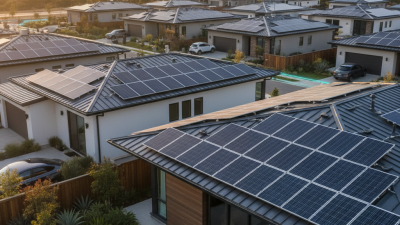
Moreover, homes equipped with solar power systems often have higher property values. This increase isn't just a fleeting trend. Buyers are increasingly drawn to energy-efficient homes. Solar power systems can prove to be a wise investment, often returning more than anticipated. By reducing reliance on conventional energy grids, a homeowner’s financial future can become brighter.

Increased Home Value through Solar Power Installation

Increasing your home value through solar power installation is a smart move. A study by the National Renewable Energy Laboratory found that homes with solar panels sell for up to 17% more than those without. This rise in value often offsets the cost of installation. A typical solar system installation adds around $15,000 to your home's market value, which is significant in today's housing market.


However, not every installation experience is perfect. Some homeowners report challenges with local permitting or installation timelines. It's essential to research and choose a reputable installer. A reliable system can make a significant difference in your overall satisfaction and the return on investment. Take time to compare offers and read reviews.


Tip: Consider the energy needs of your home. A well-sized system will not only increase value but also optimize efficiency. Also, look into local incentives, which can reduce upfront costs. Researching these details can lead to better results. Solar power isn't just a trend; it's a long-term investment in your property.

Government Incentives and Rebates for Solar Energy Adoption

Government incentives and rebates can significantly lower the cost of solar energy adoption. In many regions, homeowners can receive substantial tax credits. For instance, a federal solar tax credit allows for a deduction of 26% on installation costs. This credit can save thousands of dollars. Various states offer additional incentives, making the transition even more affordable.

Government programs are designed to encourage solar power systems. Some programs provide cash rebates for installing solar panels. According to the Solar Energy Industries Association (SEIA), many homeowners see their payback period reduced to just five to seven years with these incentives. This makes solar energy a viable option for many who were previously hesitant.

**Tip:** Check local regulations. Some areas have unique rebates or grants. Staying informed can help maximize savings.

Solar energy can sometimes be overwhelming. A long-term commitment often requires adjustments to budgets and lifestyles. It’s important to reflect on your energy needs. Consider if solar power aligns with your goals. It might not be a perfect fit for everyone. Each household has unique circumstances that should be carefully evaluated.

**Tip:** Consult with experts before deciding. They can provide tailored solutions. It's always better to gather insights before making a significant investment.

Top Benefits of Solar Power Systems for Your Home

Benefit Description Government Incentives Estimated Savings
Energy Independence Reduce reliance on grid power and fossil fuels. Federal tax credit of 26% through 2022. $300 to $1,200 annually.
Lower Electricity Bills Significantly reduce or eliminate monthly energy costs. State and local rebates up to 10%. $600 to $2,000 per year.
Increase Home Value Solar installations can increase property values. Exemption from property tax increase. Increase by $15,000 to $20,000 on average.
Environmental Benefits Reduce carbon footprint and promote sustainability. Grants for sustainable energy projects. Intangible savings and benefits for future generations.
Energy Storage Solutions Store excess energy for nighttime use. Incentives for battery installation. $1,000 to $2,500 savings over time.
© 2025 Australian Premium Solar