







Top Home Solar Systems to Consider for Your Energy Needs?

Home solar systems are becoming increasingly popular among homeowners. According to a recent report by the Solar Energy Industries Association, residential solar installations grew by over 20% in 2022. This growth reflects a significant shift toward more sustainable energy solutions.

The appeal of home solar lies in its ability to reduce energy bills. Homeowners can save up to 70% on electricity costs by switching to solar energy. Additionally, many states offer incentives that make installation more accessible. However, some may hesitate due to upfront costs.

Not all home solar systems are created equal. Factors like energy needs, roof orientation, and local climate play crucial roles. It's important to evaluate these variables to find the right system. Understanding your unique energy requirements is essential for maximizing savings. Often, homeowners overlook key details when choosing their systems.
Top Home Solar Systems to Consider for Your Energy Needs?

Factors to Consider When Choosing a Home Solar System
Top Home Solar Systems to Consider for Your Energy Needs?

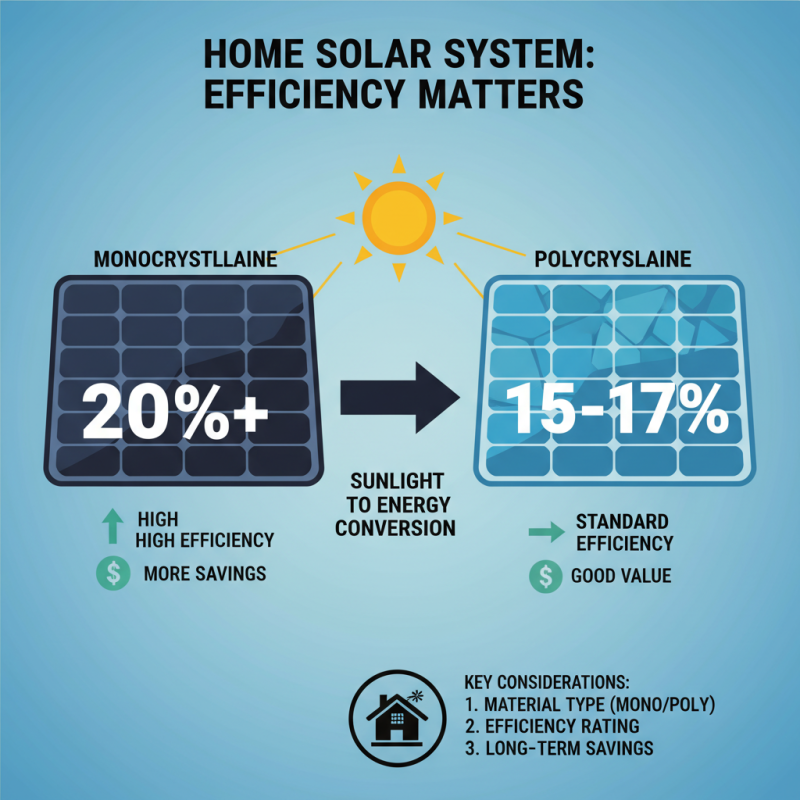
Choosing a home solar system requires careful consideration. Efficiency is key. Systems that convert sunlight into energy effectively use materials like monocrystalline or polycrystalline silicon. Reports indicate that monocrystalline panels can reach efficiency levels of 20% or higher. This can significantly impact your long-term savings.

The size of your solar system also matters. Average households need between 5 to 10 kilowatts of solar power. If your roof receives ample sunlight, it could support a larger system. However, limited space can restrict your options. Make sure to assess your energy consumption. The U.S. Energy Information Administration states that the average household consumes about 877 kWh per month.

Consider installation costs and available incentives. The cost of solar installations has decreased by nearly 70% over the past decade. Still, upfront costs can be a barrier. Take time to research local and federal incentives that can help mitigate these expenses. Always ask about warranties and lifespans. A good system should last 25 years or more. These factors can feel overwhelming, yet they are crucial for maximizing your investment. Remember, choosing a solar system is a significant decision for your energy future.

Types of Solar Panels Available for Residential Use

When considering solar options for your home, understanding the types of solar panels is crucial. There are three primary types: monocrystalline, polycrystalline, and thin-film. Each offers unique benefits. Monocrystalline panels are highly efficient and space-saving. They are ideal for smaller roofs or limited areas. Polycrystalline panels are generally more affordable. However, their efficiency can drop in hot weather. They take up more space but may suit homes with larger roofs.

Thin-film panels are lightweight and flexible. They can be installed on various surfaces. However, they tend to be less efficient compared to crystalline options. Installation might require more panels to achieve the same output. This can affect roof aesthetics. Consider your energy requirements carefully, as well as available space.

Choosing the right panels affects your energy savings greatly. Always compare products for cost, efficiency, and warranty options. The choices you make can lead to reflections on energy consumption in your home. It may take time to determine which type meets your needs best. Embrace the learning process as you evaluate the right solar solution.

Evaluating the Cost-Effectiveness of Solar Energy Systems

When considering solar energy systems, cost-effectiveness is vital. Many homeowners wonder if the initial investment pays off over time. Solar panels require a significant upfront cost. However, energy savings can lead to financial benefits in the long run.

A typical installation can range from several thousand to tens of thousands of dollars. Factors like location, roof size, and energy usage play a role. Tax credits and rebates can help offset these costs. Yet, not all homes are ideal candidates for solar. Shadows from trees or nearby buildings may reduce efficiency.

Evaluating your energy needs is essential. Analyze your utility bills to gauge potential savings. In some cases, the break-even point might take longer than expected. You might also find yourself facing maintenance expenses. Regular upkeep is necessary to keep systems running efficiently. It’s important to weigh these considerations before making a decision.

Top Brands for Home Solar Systems in 2023

In 2023, the solar energy market is thriving. Homeowners are seeking reliable systems to meet their energy needs. Many brands now dominate the industry, offering various solar solutions. According to industry reports, the global solar market is expected to grow by over 20% annually. This rise indicates a strong interest in renewable energy sources.

One aspect to consider is the efficiency ratings of solar panels. Many top brands boast over 20% efficiency. This could lead to significant energy savings in the long run. However, not all systems perform equally. Some may promise high efficiency but fail in real-world conditions. Thus, research is essential before making a decision.

Customer reviews can provide insight into the performance and reliability of different brands. Many users report mixed experiences with installation and maintenance. A survey reveals that nearly 30% of consumers faced unexpected costs. This paint a picture of an industry in flux, where transparency is key. It's crucial to weigh the benefits against potential pitfalls.

Installation and Maintenance Tips for Solar Energy Solutions

When considering solar energy solutions, proper installation and maintenance are crucial. According to a report from the National Renewable Energy Laboratory, proper installation boosts system efficiency by up to 20%. Many homeowners underestimate the importance of hiring certified installers. They ensure your system meets local codes and functions optimally.

Maintenance is often overlooked. Regular cleaning of solar panels prevents dirt and debris build-up. Studies show that dirty panels can reduce energy production by 15% or more. It's wise to schedule inspections at least once a year. Look for signs of wear and tear, and check electrical components.

Tips: Monitor your system’s performance regularly. Apps can help track energy output. Always consult professionals for repairs. Stay informed about local regulations. Understanding your local incentives can also enhance financial benefits. Misunderstanding these can lead to costly mistakes.

Top Home Solar Systems Comparison

In this chart, we compare the energy output of different home solar systems based on kWh generated per month. This data can help homeowners determine the most efficient solar system for their energy needs.

© 2025 Australian Premium Solar