






How to Choose the Right Rooftop Solar Panels for Your Home?

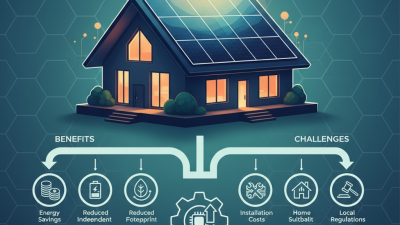
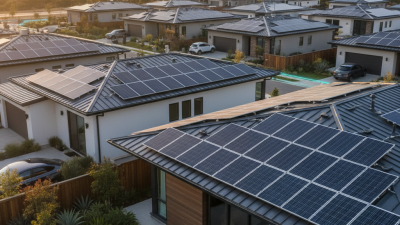
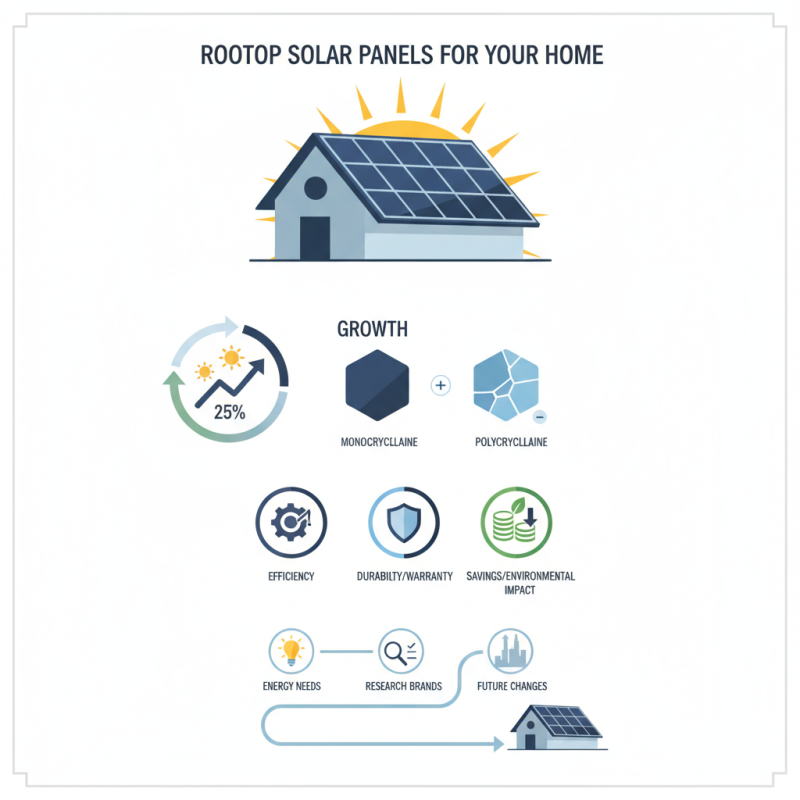
Choosing the right rooftop solar panels for your home is a crucial decision. A report from the Solar Energy Industries Association states that solar installations grew by 25% in 2022. This growth indicates heightened interest in solar energy solutions. Many homeowners are now aware of the long-term savings on energy bills and the positive environmental impact of using solar power.

Rooftop solar panels can reduce reliance on traditional energy sources. The right choice can significantly lower your carbon footprint. However, not all panels are created equal. Factors like efficiency, durability, and warranty should guide your selection. With options ranging from monocrystalline to polycrystalline, each type offers distinct advantages and disadvantages. The initial investment can be daunting, but the potential returns are substantial.

Navigating the solar market can be overwhelming. Many products lack transparency, leading to confusion for consumers. Evaluating reputable brands and understanding system requirements are vital. It’s essential to reflect on your energy needs and consider future changes. Ultimately, choosing rooftop solar panels can transform your home, but careful consideration is key.
How to Choose the Right Rooftop Solar Panels for Your Home?

Understanding Your Energy Needs and Consumption Patterns

Choosing the right solar panels starts with understanding your home’s energy needs. Analyze your electricity bills from the last year. Look for patterns in your consumption. Note your peak usage times and any seasonal variations. This data is critical. It helps you choose the right system size.

Tip: Keep a record of your daily usage. Write down numbers for each day in a month. Patterns emerge over time. You’ll gain insights into high-consumption habits. These details can steer your solar choices.

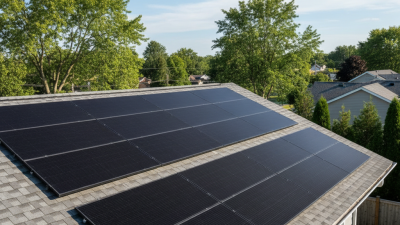
Assess your roof type too. Certain roofs may need specific panel types. Your panel choice affects efficiency and production. If your roof is shaded, panels may perform poorly. Explore options for unobstructed sunlight to maximize output.

Tip: Consider energy-efficient upgrades for your home. Simple changes can reduce energy demand. Swapping out old bulbs or sealing drafts might help. It’s all about striking a balance between need and capacity. Understanding these factors can lead to a better solar investment.

Evaluating Different Types of Solar Panels Available

How to Choose the Right Rooftop Solar Panels for Your Home?

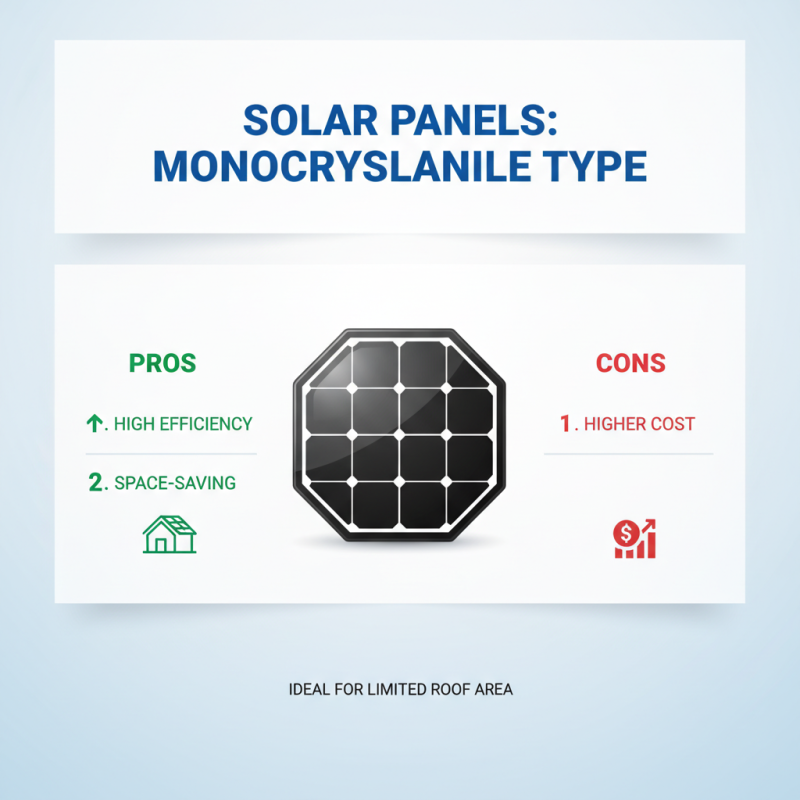
When selecting solar panels, it's essential to understand the different types available. Monocrystalline panels are popular. They are efficient and space-saving. This is great if your roof area is limited. However, they also tend to be more expensive.

Polycrystalline panels are another option. These panels are generally less efficient but come at a lower price. They require more space to produce the same energy as monocrystalline ones. Homeowners often face a dilemma here. Do you choose affordability or efficiency?

Thin-film solar panels offer flexibility in installation. They can be applied to various surfaces, but their efficiency is the lowest among the three types. This may lead to larger arrays being needed. Space considerations will play a significant role in your decision-making. Prioritize what matters most to your home and lifestyle. Each type brings its advantages and challenges. Understanding these nuances is crucial for your choice.

Key Factors to Consider When Selecting Solar Panel Brands

Choosing the right rooftop solar panels involves several key factors. Start with efficiency ratings. Higher efficiency means more energy production in limited space. Evaluate your roof size and sunlight exposure. A smaller roof may benefit from more efficient panels. This trade-off can impact your decision.

Consider warranty options offered by different solar panel manufacturers. Look for products with long-term warranties; they indicate reliability. However, no warranty can guarantee performance under all conditions. Research the durability of the materials used in the panels. Weather resistance matters, especially for extreme climates.

Installation is another critical factor. Check if the brand provides installation services or if recommended contractors are available. This impacts overall costs and system performance. Sometimes, lower upfront prices can lead to higher maintenance later. Take all these aspects into account to make an informed decision. It's not just about the initial purchase; consider long-term use. Embracing solar energy is a commitment that requires careful thought.

Comparative Analysis of Solar Panel Efficiency Ratings

Assessing Installation Requirements and Compatibility with Your Home

How to Choose the Right Rooftop Solar Panels for Your Home?

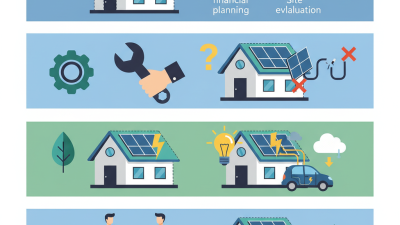
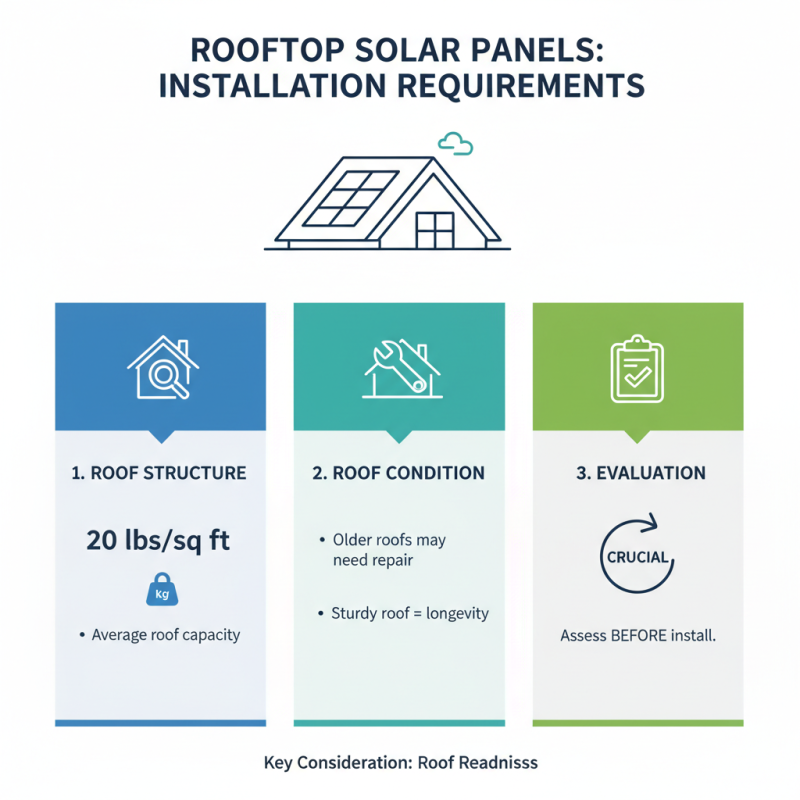
When considering rooftop solar panels, assessing installation requirements is crucial. Start by evaluating your roof's structure. An average roof can support about 20 pounds per square foot. If your roof is older or compromised, it may need repairs. A sturdy roof is essential for solar panel longevity.

Next, think about your roof's orientation and pitch. South-facing roofs typically receive the most sunlight. According to the U.S. Department of Energy, this orientation can enhance panel efficiency by 20-30%. A steep roof can complicate installation but might capture more sunlight during certain hours.

Check for shading issues. Nearby trees or buildings can reduce energy production significantly. Studies show that even a small amount of shading can decrease output by 50% or more. Addressing these factors is essential for maximizing the benefits of solar energy in your home.

Analyzing Costs, Incentives, and Long-Term Savings Potential

Choosing the right rooftop solar panels mainly involves analyzing costs, incentives, and long-term savings. The cost of solar panels has decreased by around 70% in the last decade. This drop makes solar an increasingly viable option for homeowners. However, upfront costs can still be high, with an average installation ranging from $15,000 to $25,000 after tax credits.

Federal incentives can significantly affect the overall cost. The Investment Tax Credit (ITC) allows homeowners to deduct 26% of the installation costs from their federal taxes. This can lead to substantial savings. Many states also offer rebates and incentives that should not be overlooked. Research indicates that homeowners in certain states can see a payback period of as little as five years.

Tip: Always consider local utility rates. Saving can vary based on your area. The average household can save about $20,000 to $30,000 over 20 years if they generate enough energy to offset their electricity bills.

Long-term savings potential is crucial. While the initial investment is significant, panels can last over 25 years. They can increase your home’s value. According to studies, homes with solar panels can sell for 4% more than comparable homes without them. However, potential solar buyers should also reflect on changing regulations and market conditions that could impact future savings.

© 2025 Australian Premium Solar