



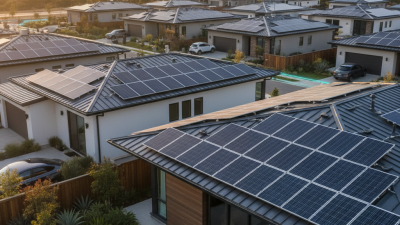



Choosing the right solar power panels for your home can be a daunting task. With so many options available, making an informed decision is crucial. Industry expert Dr. Emily Grayson, a leading authority on renewable energy, states, "Selecting the right solar power panels increases efficiency and long-term savings." Her insights highlight the importance of careful consideration in this choice.
When evaluating solar power panels, you should think about efficiency ratings and warranty periods. Not all panels are created equal. Some may perform better in low-light conditions, while others might excel in sunny environments. The aesthetics of the panels can also impact your home's appearance, an often-overlooked detail.
It’s essential to reflect on your specific energy needs. Are you looking to offset high electricity bills, or are you aiming for off-grid living? Each scenario requires a different approach. The myriad of choices can seem overwhelming, emphasizing the need for thorough research before investing in solar power panels.
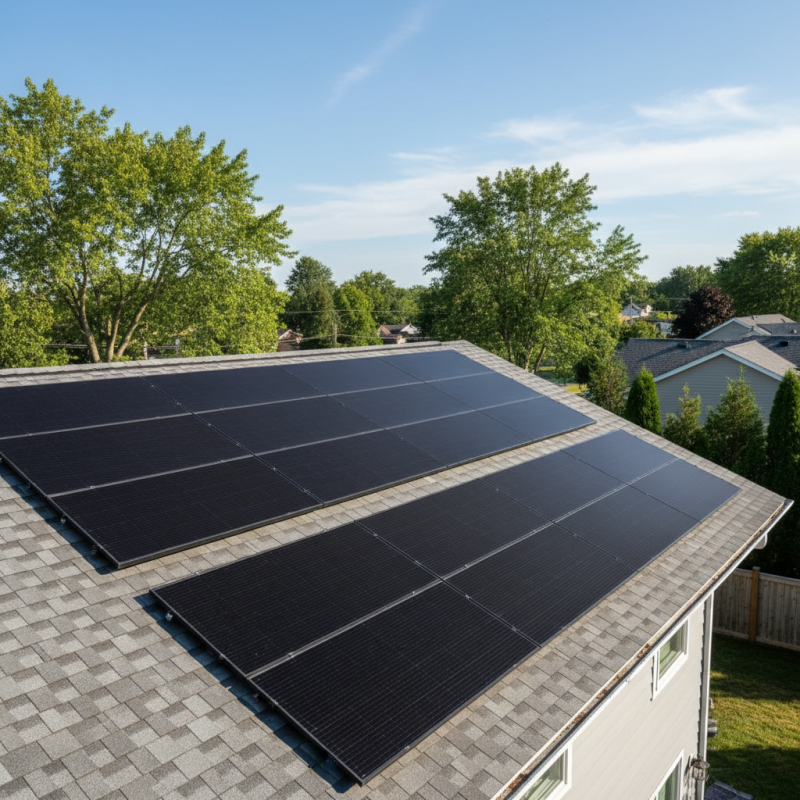
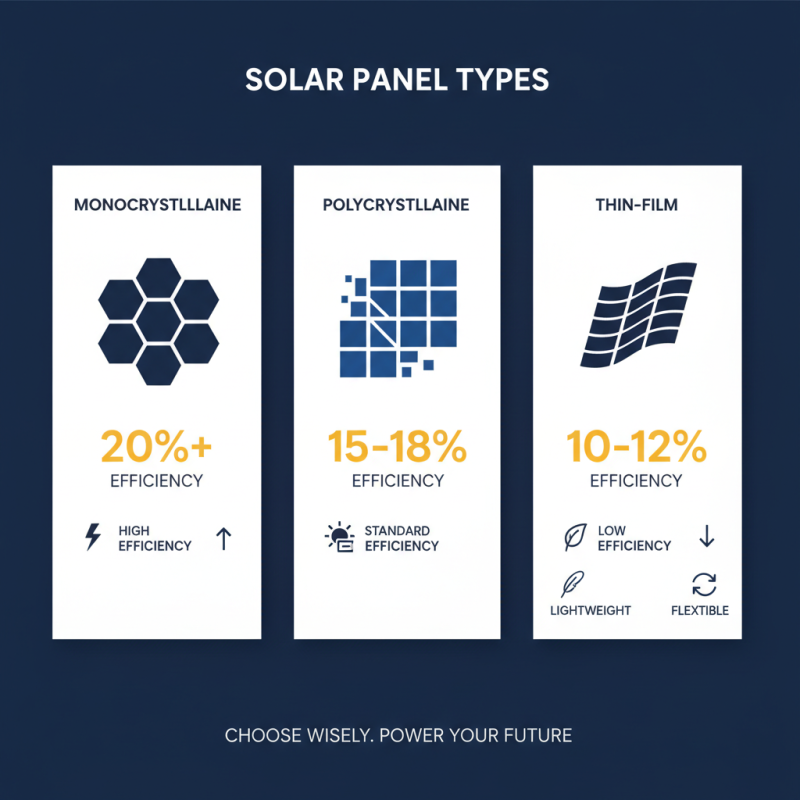
When selecting solar power panels, it’s essential to understand the different types and technologies available. The three main types are monocrystalline, polycrystalline, and thin-film panels. Monocrystalline panels are known for their high efficiency, typically exceeding 20%. In contrast, polycrystalline panels are less efficient, averaging around 15-18%. Thin-film panels are lightweight and flexible, but they have lower efficiency rates, usually between 10-12%.
**Tip:** Consider available roof space. High-efficiency panels like monocrystalline are ideal for limited areas.
Each technology comes with its pros and cons. For example, while monocrystalline panels perform better in low-light conditions, they also come at a higher cost. Polycrystalline panels are more budget-friendly, but they require more space due to their lower efficiency. Thin-film panels are adaptable and can be integrated into building materials, but they need larger installations to generate sufficient energy.
**Tip:** Review energy needs and potential savings. You might think about long-term investment versus upfront costs.
Understanding these differences can help you make informed decisions. Researching studies and industry reports adds valuable insights. For instance, according to the National Renewable Energy Laboratory, monocrystalline panels can save homeowners more in the long run, despite higher initial investments. It’s important to weigh the trade-offs and reflect on your energy goals to find the best match for your home.
When choosing solar power panels, evaluating your home's energy needs is crucial. According to the U.S. Energy Information Administration, residential energy consumption averages around 877 kWh per month. Understanding your monthly usage can help determine the size of your solar system. If your household uses more energy due to multiple appliances, a larger system is necessary. Keeping track of seasonal changes in energy use can refine your assessment.
Roof compatibility is another vital factor. The National Renewable Energy Laboratory highlights that roof orientation, angle, and shading play significant roles in solar panel efficiency. Ideally, roofs should have a south-facing slope with minimal shade. Even minor obstructions can reduce energy production. Many homeowners overlook the condition of their roofs before installation. If the roof needs repair, addressing that before solar installation is essential.
Consider your local climate as well. Areas with high sunlight hours will yield better performance from solar panels. However, rain and snow accumulation on the roof can affect efficiency. Some homeowners underestimate this aspect and might end up with panels that don’t perform as expected in bad weather. Evaluating these elements can prevent costly mistakes down the line.
When selecting solar panels, efficiency is paramount. Efficiency refers to how effectively a solar panel converts sunlight into usable electricity. Most high-quality panels range from 15% to 22% efficiency. A recent report from the National Renewable Energy Laboratory states that top performers can even reach 23% efficiency. This means they generate more power in the same amount of sunlight compared to others.
Performance ratings also matter. It indicates how well a panel functions over time. Panel degradation is a significant factor. Studies show that most panels lose about 0.5% to 1% efficiency per year. However, some brands exhibit higher degradation rates. This can impact long-term returns on your investment. Consider panels with warranties extending at least 25 years. While manufacturers often promise high performance, understanding these details is crucial.
Installation can also affect efficiency. Poor installation may lead to misalignment and shading problems. Regular maintenance is necessary, yet many homeowners overlook this. Dust, debris, or even snow can block sunlight, reducing output substantially. Ensuring panels remain clean can improve performance. It's essential to reflect on both product choices and your specific installation conditions.
| Panel Type | Efficiency (%) | Performance Ratio (%) | Power Output (W) | Warranty (Years) |
|---|---|---|---|---|
| Monocrystalline | 15 - 20 | 75 - 85 | 250 - 350 | 25 |
| Polycrystalline | 13 - 16 | 70 - 80 | 240 - 340 | 25 |
| Thin-Film | 10 - 12 | 65 - 75 | 150 - 200 | 20 |
| Bifacial | 15 - 22 | 80 - 90 | 300 - 400 | 25 |
When choosing solar panels, understanding costs is crucial. The initial price can vary widely. On average, homeowners might spend between $15,000 to $25,000. Get multiple quotes to compare pricing. Installation fees often add to this cost. Research what’s included in each quote. Some companies hide fees.
Incentives can significantly impact your decision. Federal tax credits are a great way to save. Many states offer additional benefits, too. Check local programs for rebates. Look for financing options that fit your budget. Some companies provide loans or leasing plans.
Tips: Always read the fine print. Some financing deals have hidden costs. Don't hesitate to ask questions. Be wary of offers that seem too good to be true. Buying solar panels is a big investment. Take your time to weigh all factors.
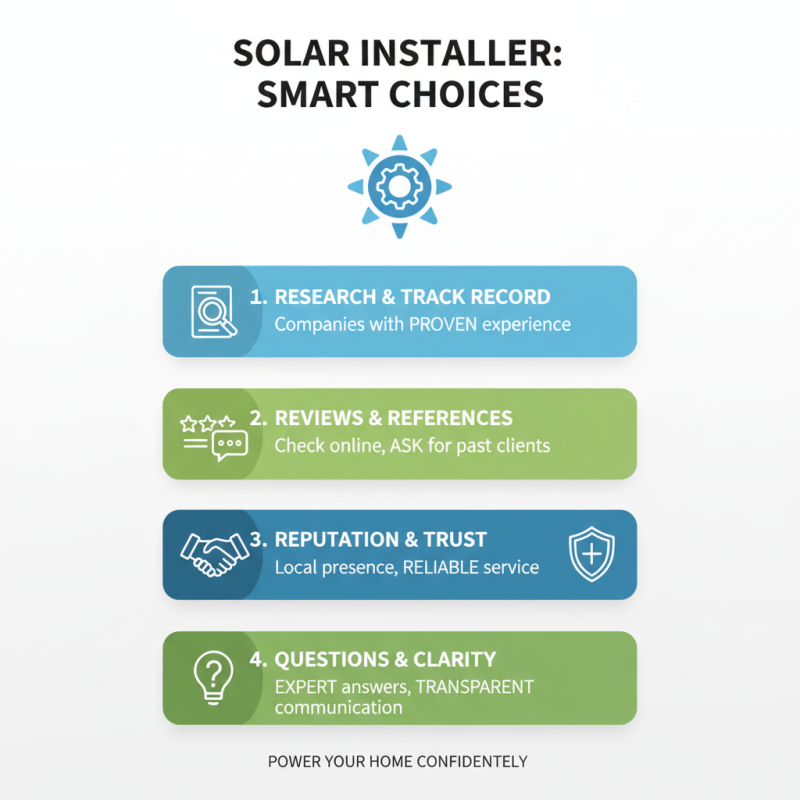
When selecting a reputable installer for solar power panels, it's crucial to do thorough research. Look for companies with a solid track record. Check online reviews and ask for references. A dependable installer will have experience and a good reputation in your area. They should be willing to answer all your questions clearly.
Understanding warranties is equally important. Solar panel systems can have various warranties. These may cover the panels, inverters, and the installation itself. Read the fine print. Some warranties are lengthy, while others are shorter. A shorter warranty may reflect lower quality. Be sure to know what is covered in each warranty. Knowing when to voice concerns is key.
Choosing wisely means being cautious. Mistakes in installation can affect performance. Poor workmanship can lead to issues down the road. If something feels off, don't hesitate to dig deeper. A strong installer will value transparency and education. Being well-informed helps you make the best decision for your home.
No, I will think about it in future.