2026 Top Home Solar Power System Trends You Need to Know?
The home solar power system industry is rapidly evolving. According to a recent report by the Solar Energy Industries Association, residential solar installations are expected to grow by 30% annually. This surge reflects a deepening awareness of renewable energy's potential benefits. Expert John Smith states, "Home solar power systems are more accessible than ever, yet many homeowners overlook their long-term value."
As technological advancements continue, affordability and efficiency improve significantly. For instance, solar panel efficiency has increased from 15% to over 22% in a decade. However, challenges remain. Many consumers still harbor misconceptions about initial costs and installation processes. It's crucial to address these misgivings to foster wider adoption.
By paying attention to emerging trends, homeowners can maximize their investment in home solar power systems. The transition to solar isn't just a trend; it’s a fundamental shift in energy consumption habits. Understanding these dynamics can lead to more informed decisions, ultimately benefiting both homeowners and the environment.
Emerging Technologies in Solar Panels for 2026
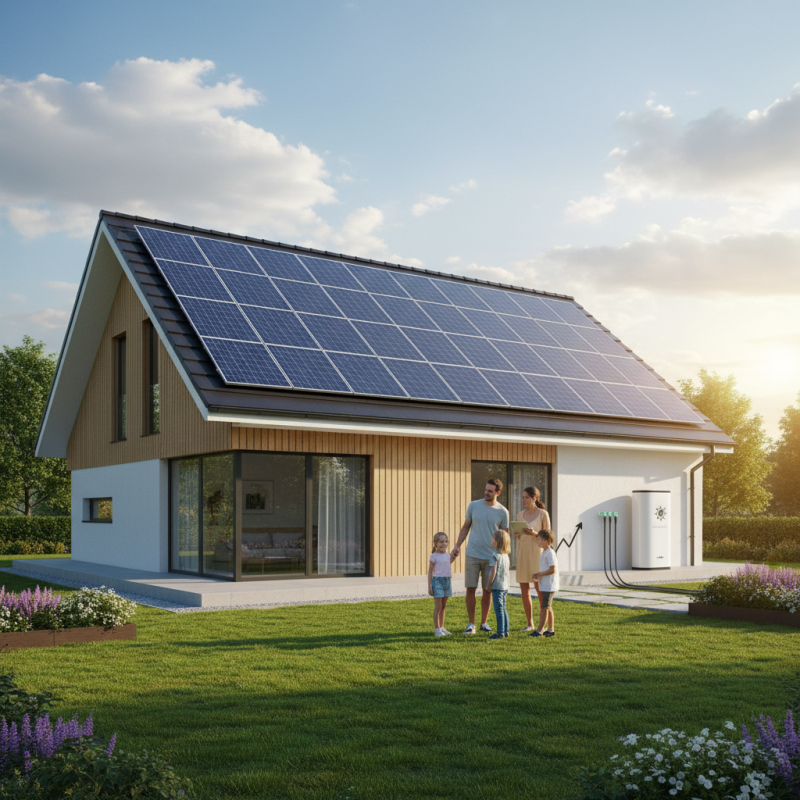
As we approach 2026, solar power technology is evolving rapidly. One of the most exciting trends is the development of more efficient and sustainable solar panels. These new panels will utilize advanced materials. For instance, perovskite solar cells are gaining attention. They can offer higher energy conversion efficiencies than traditional silicon panels.
Innovation isn't just about efficiency; durability is also a key focus. Panels that can withstand extreme weather conditions are becoming essential. Imagine solar panels that can function optimally even during storms or heavy snow. However, these advancements come with challenges. The manufacturing processes must be energy-efficient and environmentally friendly.
Another trend is the integration of smart technology into solar systems. Homeowners will benefit from real-time monitoring and management of their energy usage. This can lead to better energy efficiency in homes. But, there are concerns about the complexity of these systems. Users may struggle to fully utilize all the features. It’s crucial for technology to be user-friendly to encourage adoption. As these innovations emerge, we must also reflect on their long-term sustainability.
Innovative Energy Storage Solutions for Home Solar Systems
Innovative energy storage solutions are transforming home solar systems. As homeowners adopt solar power, effective storage becomes essential. With advanced battery technologies, homeowners can optimize energy usage and reduce reliance on the grid.
Consider investing in lithium-ion batteries. They are lightweight and efficient. These batteries offer longer lifespans and faster charging capabilities. However, they can be expensive. This cost may deter some homeowners. Evaluate your budget and energy needs carefully.
Tips: Always research various energy storage options. Compare performance, lifespan, and warranty. You may find unexpected benefits in less popular choices. Energy management systems are another trend. They help monitor and control energy flow. This ensures optimal usage and maximizes savings. However, some systems can be complex. Take time to learn how to operate them effectively.
Trends in Smart Home Integration with Solar Power
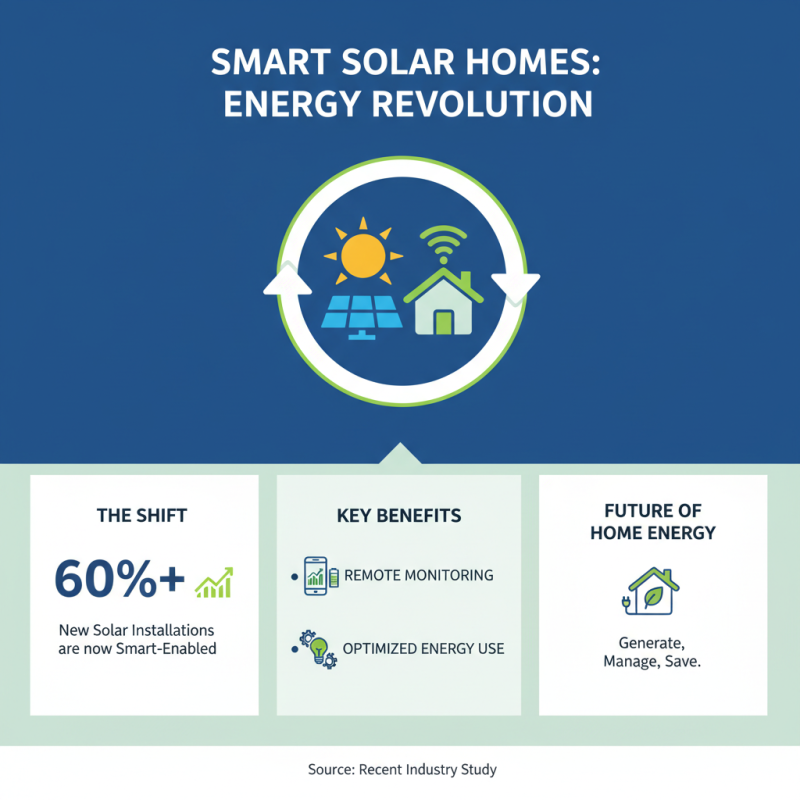
The integration of smart home technology with solar power systems is reshaping how we consume energy in our homes. According to a recent study, over 60% of new solar installations are now combined with smart technology. This trend signifies a major shift towards not just generating energy, but also managing it more efficiently. Homeowners can remotely monitor their energy production and consumption, making real-time adjustments to optimize usage.
Smart home integration allows solar systems to sync with home appliances. For example, systems can automate the energy supply to washing machines or electric vehicles during peak solar production times. Reports indicate that homes equipped with smart technology can reduce energy costs by up to 30%. However, the initial investment can be high, and not every homeowner sees an immediate return.
While many celebrate these advancements, challenges remain. Compatibility issues between devices can cause frustration. Moreover, privacy concerns arise as smart systems collect data on user habits. It's crucial for homeowners to weigh the benefits against potential drawbacks. The evolution of solar power systems is promising, but careful consideration is essential.
Government Policies and Incentives Influencing Solar Adoption
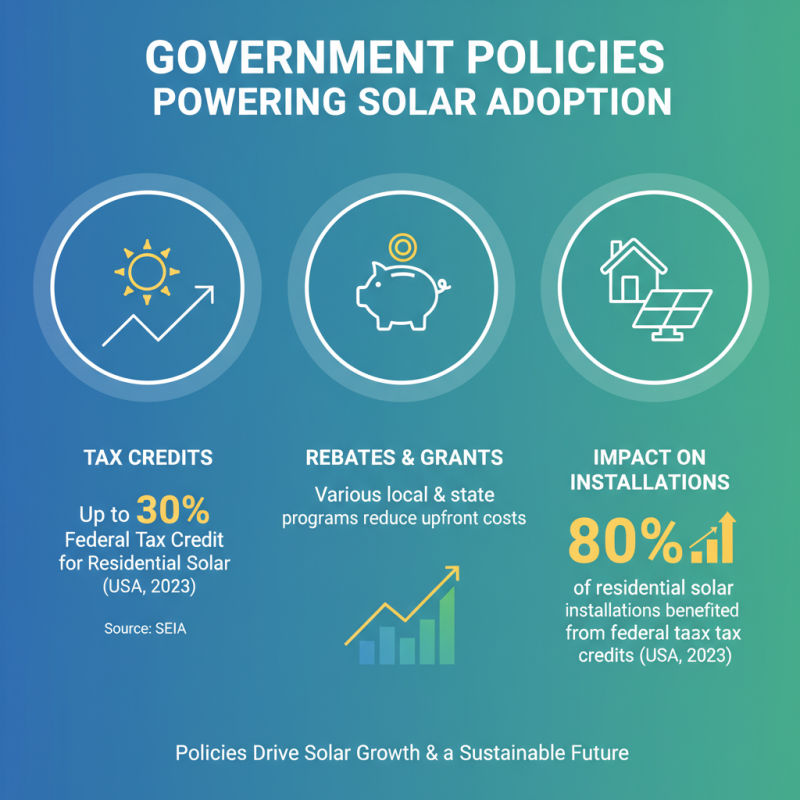
Government policies play a crucial role in shaping the solar industry landscape. In recent years, numerous countries have enacted incentives to promote solar adoption. For instance, tax credits and rebates have become commonplace. According to the Solar Energy Industries Association (SEIA), as of 2023, about 80% of residential solar installations benefit from federal tax credits. These incentives drive a significant surge in installations.
However, not all policies have the intended effect. Inconsistencies across state regulations can create confusion. Some regions offer lucrative incentives, while others lag drastically. This disparity can lead to uneven growth rates. A 2022 study revealed that states with robust policies saw an installation increase of 50%, while others only achieved 10%. This inconsistency raises questions about equity in solar access.
Public awareness of these incentives remains low. Many potential adopters are unaware of available programs. While federal initiatives capture headlines, localized programs often go unnoticed. A report from the National Renewable Energy Laboratory (NREL) indicated that nearly 40% of homeowners expressed interest in solar but cited financial uncertainty. This disconnect highlights the need for improved communication on available support.
Cost Analysis of Residential Solar Systems in 2026
As we approach 2026, the cost analysis of residential solar systems reveals interesting trends. Homeowners are increasingly considering solar power, driven by rising electricity costs and environmental concerns. The average cost of installation continues to decline, yet prices vary significantly across regions.
Upfront investments for solar systems can still be daunting, making financing options more appealing.
In urban areas, space constraints often limit system size. Homeowners may choose smaller setups, impacting overall energy savings.
It’s crucial to assess energy needs accurately. Oversizing a system leads to unnecessary expenses, while undersizing can cause energy shortages.
Additionally, fluctuating incentives from local governments can influence overall costs.
As technology evolves, battery storage costs are also dropping. This creates opportunities for homeowners to maximize their savings.
However, the integration of smart appliances and energy management systems complicates budget predictions.
Some homeowners may overlook these factors, resulting in less than optimal setups.
Understanding the full scope of expenses and opportunities is essential for making informed decisions.